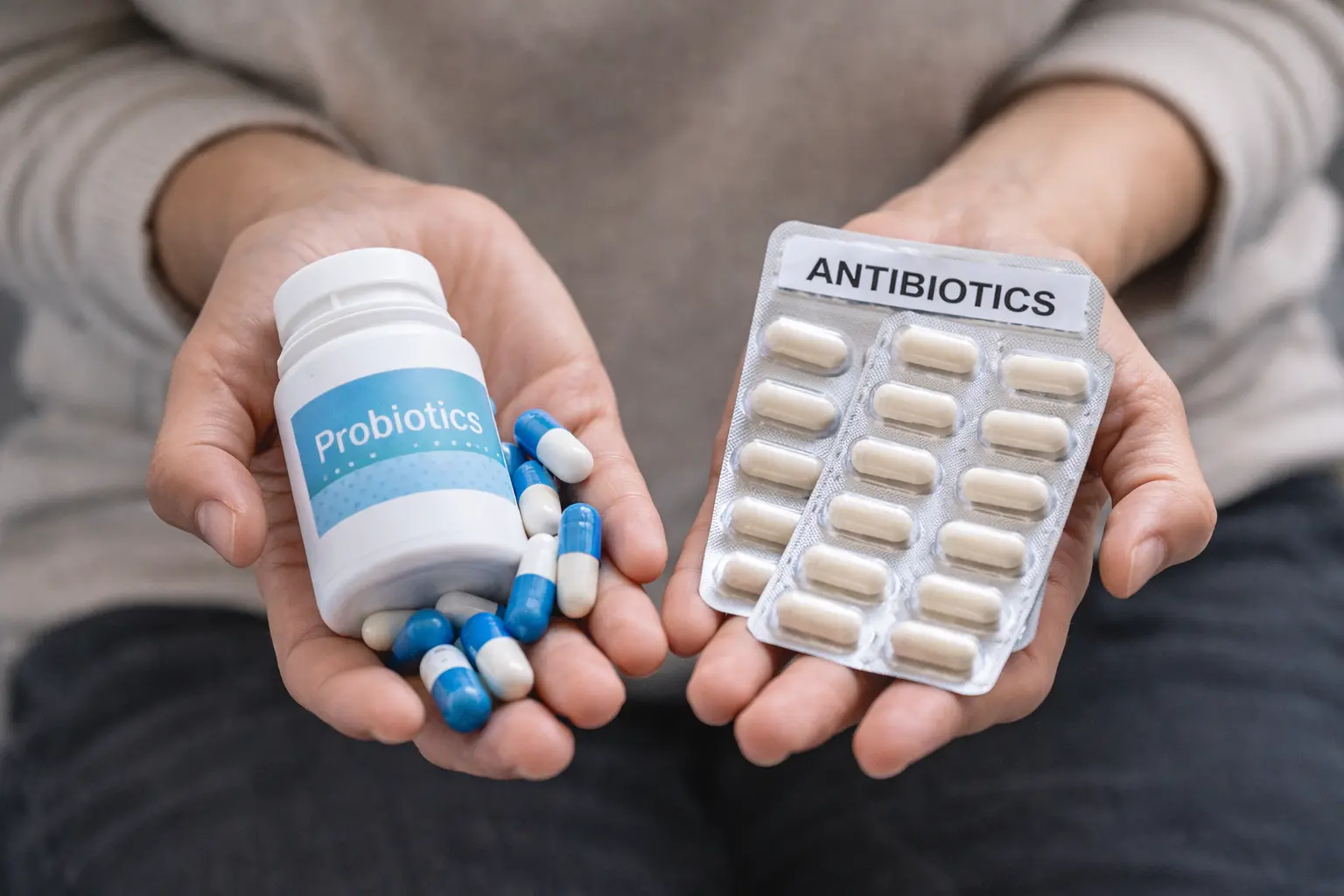
Your stomach feels off after antibiotics, you’re bloated, digestion is a mess, and you’re wondering if probiotics versus antibiotics is really the choice you have to make or if there’s actually a smarter way forward.
The microbiome breakdown
Your gut is home to trillions of bacteria, fungi, and other microorganisms that form what scientists call the microbiome. This isn’t just background noise in your digestive system; it’s an active ecosystem that influences everything from how you digest food to how your immune system responds to threats. Think of it like a neighborhood where the good residents keep things running smoothly. When antibiotics enter the picture, they’re like a powerful cleaning crew that doesn’t discriminate between helpful bacteria and harmful invaders. A course of antibiotics can wipe out 30 to 40 percent of your gut’s beneficial bacteria within days. For seniors, this disruption can feel particularly noticeable because the microbiome naturally becomes less diverse with age. You might experience bloating, constipation, or loose stools within a week of finishing antibiotics. The good news is that understanding this process helps you make informed decisions about supporting your gut during and after treatment.
Probiotics: The good bacteria
Probiotics are live microorganisms, primarily bacteria and some yeasts, that are intended to maintain or improve the beneficial bacteria in your gut. Common strains include Lactobacillus and Bifidobacterium, names you’ve probably seen on yogurt labels. These organisms work by colonizing space in your intestines, competing with harmful bacteria for resources, and producing compounds that lower intestinal pH, making the environment less hospitable to pathogens. For seniors, probiotics can help restore microbial diversity after antibiotic treatment, potentially reducing antibiotic-associated diarrhea by up to 60 percent according to clinical research. You might find probiotics in fermented foods like yogurt, kefir, sauerkraut, and kimchi, or as dietary supplements in capsule or powder form. The key difference is that food sources provide smaller amounts but come with additional nutrients, while supplements offer concentrated doses of specific strains. Some seniors report improved digestion and fewer bloating episodes within two to three weeks of consistent probiotic use, though individual responses vary significantly.
How to rebuild: A step-by-step approach
Rebuilding your gut after antibiotic treatment requires a coordinated strategy rather than simply taking a probiotic supplement and hoping for the best. First, consult your healthcare provider about which probiotic strains might suit your specific situation, as different strains address different concerns. Some are better for digestive regularity, others for immune support. Second, timing matters significantly: take probiotics at least two to three hours away from your antibiotics, ideally in the morning if you take antibiotics at night, because the medication can kill the beneficial bacteria before they establish themselves. Third, support the process with dietary choices. Fiber-rich foods like oats, beans, leafy greens, and whole grains act as prebiotics, feeding the good bacteria you’re trying to cultivate. A practical example: a senior might take their antibiotic at dinner, wait until the next morning to start probiotics, then add a bowl of oatmeal with berries for breakfast. This simple sequence gives the probiotic bacteria the best chance to survive and thrive while providing them with fuel to multiply.
- Consult healthcare provider for probiotic selection
- Take probiotics separately from antibiotics
- Follow a fiber-rich diet for gut health
🔬 Science-backed benefits in 2 minuteschoose where to begin:
Antibiotics: Essential but disruptive
Antibiotics are among the most important medical discoveries in human history, capable of turning life-threatening bacterial infections into manageable conditions. For seniors, they remain essential tools for treating urinary tract infections, pneumonia, skin infections, and other serious bacterial conditions. However, their power comes with consequences. Antibiotics work by either killing bacteria or stopping their reproduction, but they can’t distinguish between the harmful bacteria causing your infection and the beneficial bacteria maintaining your gut health. This collateral damage happens in nearly every course of antibiotic treatment. Beyond digestive disruption, some seniors experience yeast overgrowth because antibiotics eliminate the bacteria that normally keep fungal populations in check. Additionally, the overuse and misuse of antibiotics globally has created antibiotic-resistant bacteria, sometimes called superbugs, which no longer respond to standard medications. For individual patients, the key is using antibiotics only when truly necessary and completing the full course as prescribed, even if you feel better partway through. Understanding these trade-offs helps seniors and their doctors make decisions that balance immediate infection treatment with longer-term health maintenance.
Balancing act: Making informed choices
The decision between probiotics and antibiotics isn’t actually an either-or proposition for most seniors. Rather, it’s about understanding when each plays a role and how to use them strategically. When you have a bacterial infection, antibiotics are the necessary first step; probiotics cannot cure an active infection. However, once you’ve started antibiotic treatment, probiotics become a supportive strategy to minimize side effects and speed recovery of your gut flora. This balanced approach means consulting with your healthcare provider before starting any new supplement, especially if you take other medications or have conditions like a weakened immune system. Your doctor can review your specific situation, medical history, and current medications to recommend appropriate probiotic strains and timing. Some seniors find it helpful to keep a simple symptom diary during and after antibiotic treatment, noting digestive changes, energy levels, and any concerns. This information helps your healthcare team understand how your body responds and adjust future treatment plans accordingly. The goal isn’t perfection but rather informed partnership with your healthcare providers.
Research insights: What studies reveal
Scientific research over the past two decades has provided increasingly clear evidence about probiotics’ role in managing antibiotic side effects. Meta-analyses of multiple clinical trials show that probiotics reduce antibiotic-associated diarrhea in adults by approximately 50 to 60 percent, with stronger effects when started during antibiotic treatment rather than after. Studies also indicate that certain probiotic strains, particularly Saccharomyces boulardii and specific Lactobacillus species, show more consistent benefits than others. However, researchers emphasize that not all probiotics are created equal; quality, strain specificity, and viable cell count matter significantly. One notable limitation in current research is that most studies involve relatively short follow-up periods, typically 4 to 12 weeks, so long-term effects remain less understood. Additionally, individual responses vary considerably based on age, baseline microbiome composition, diet, and overall health status. For seniors specifically, research suggests that age-related changes in gut bacteria mean that probiotic supplementation may be particularly beneficial, though more studies focused specifically on older adults would strengthen this evidence.
Probiotics and antibiotics serve different but complementary roles in managing your health. Antibiotics are essential for treating bacterial infections, while probiotics support your gut’s recovery afterward. The scientific evidence supports using probiotics strategically during and after antibiotic courses to reduce digestive side effects and restore beneficial bacteria. However, probiotics cannot replace antibiotics for treating active infections. Making informed decisions with your healthcare provider, considering your individual health situation, and supporting your gut through diet and timing creates the best foundation for both short-term treatment success and long-term digestive health.
Are probiotics safe for seniors?
Probiotics are generally safe for most seniors and can be beneficial for gut health and digestive function. However, individuals with compromised immune systems, those who have undergone organ transplants, or seniors with certain medical conditions like severe pancreatitis should consult their healthcare providers before starting any probiotic supplements. Your doctor can review your specific health situation and recommend appropriate options.
Can probiotics replace antibiotics?
Probiotics are not a direct replacement for antibiotics in treating bacterial infections. While they can support gut health and reduce antibiotic side effects like diarrhea and bloating, antibiotics are still necessary to eradicate harmful bacteria causing infections. Probiotics work best as a complementary strategy used alongside antibiotics, not instead of them.
Others also read:
Disclaimer: This article is for informational purposes only and is not a substitute for professional medical advice. Always consult a healthcare professional for personal guidance.
This article has been prepared and reviewed by the GlobalHealthBeacon editorial team and is based on current medical research and published scientific literature available in 2026. It provides structured, evidence-based information to support informed health decisions.
