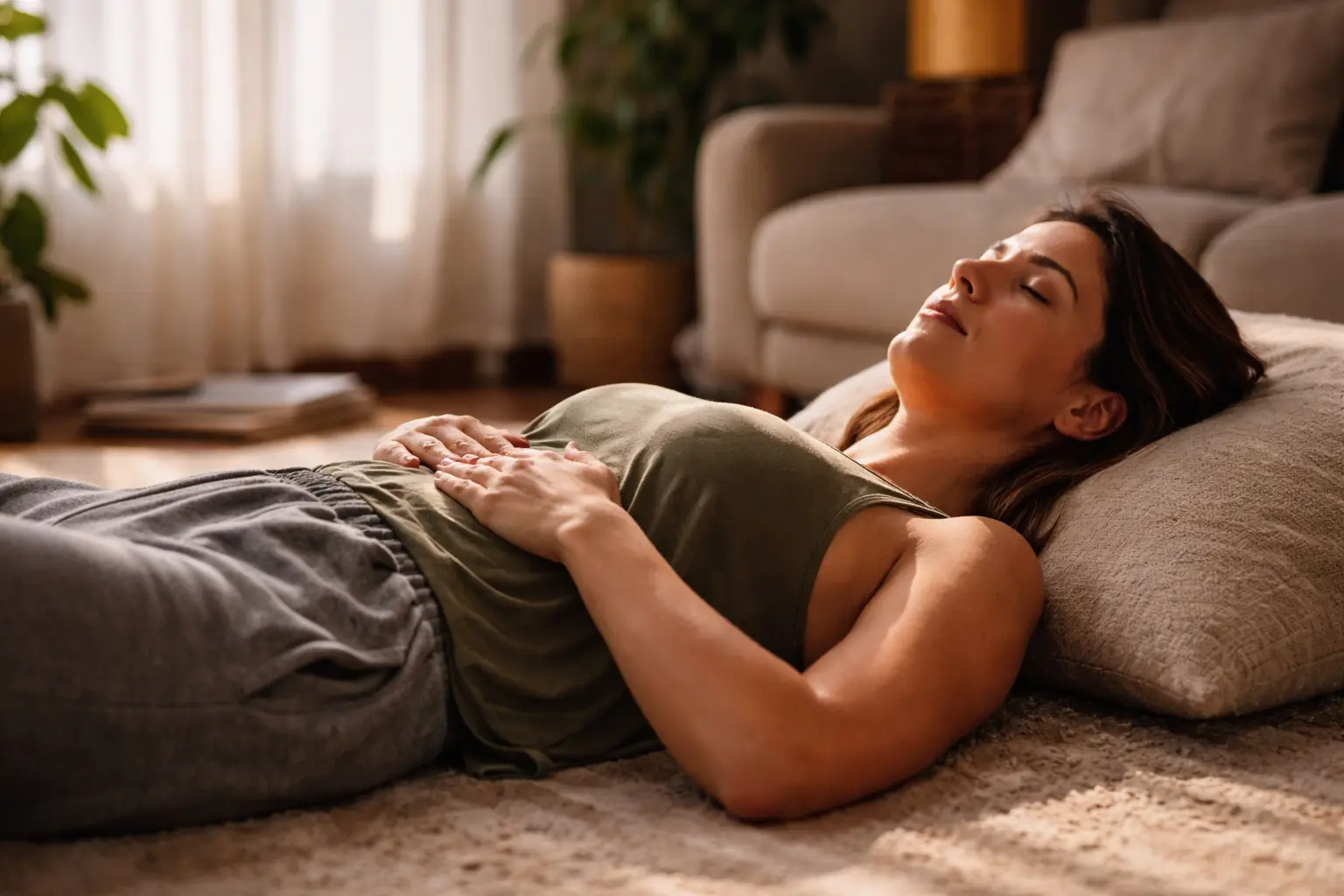
Your shoulders are permanently hunched, your jaw aches from clenching, and sleep feels like a distant memory, but progressive muscle relaxation technique might be the simple reset your body has been screaming for.
Understanding progressive muscle relaxation technique
Progressive muscle relaxation is a deceptively simple practice that works by having you deliberately tense specific muscle groups for a few seconds, then release them while focusing on how the relaxation feels. Think of it like teaching your nervous system a new language. You start at your toes, work your way up through your calves, thighs, abdomen, chest, arms, and face, consciously tensing each area for about five seconds before letting go. The magic happens in that release moment when you notice the contrast between tension and ease. Many seniors find this approach particularly helpful because it gives them something concrete to do, a clear sequence to follow, rather than just being told to relax. Over time, your body learns to recognize these signals and can slip into relaxation mode more quickly, almost like muscle memory for peace.
- Enhances overall sense of well-being
- Reduces physical symptoms of stress like headaches and body aches
- Improves sleep patterns and quality
Pros of progressive muscle relaxation for seniors
What makes progressive muscle relaxation so appealing to seniors is its accessibility and immediate results. You don’t need special equipment, a gym membership, or even to leave your favorite chair. Margaret, a 72-year-old from Ohio, shared how she used this technique to manage her chronic lower back pain, finding that just ten minutes of practice before bed helped her sleep through the night for the first time in years. Many seniors report that the practice gives them a sense of control over their stress levels, which is empowering when so much of aging feels beyond their control. The technique also improves body awareness, helping you notice where you hold tension and develop healthier patterns. Regular practice has been associated with lower blood pressure, reduced anxiety, and better emotional regulation, all things that matter deeply to people navigating the later chapters of life.
💬 Ready to feel better in 2 minutes?choose where to begin:
Cons of progressive muscle relaxation for seniors
Despite its benefits, progressive muscle relaxation isn’t a one-size-fits-all solution. Some seniors struggle with consistency, finding it hard to carve out dedicated time each day or remembering to practice regularly. Others experience discomfort when tensing muscles, particularly if they have arthritis, joint problems, or muscle weakness. Robert, a 68-year-old with severe osteoarthritis, found that even gentle tensing caused sharp pain, making the traditional approach unsuitable for him. Additionally, people with certain conditions like heart disease, high blood pressure, or recent surgery should absolutely check with their doctor first, as the muscle tensing phase could potentially trigger unwanted physical responses. Some individuals also find their minds wander too much during practice, making it difficult to maintain focus and reap the full benefits.
Real senior experiences with progressive muscle relaxation
The stories seniors share about progressive muscle relaxation paint a picture of genuine transformation. Dorothy, 75, described how the technique became her anchor during a particularly stressful period when her husband was hospitalized, giving her a way to quiet her racing thoughts during long waiting room hours. Another senior, James, used it to manage the anxiety that came with retirement, finding that the structured practice provided the routine his mind craved. What stands out across these experiences is the sense of reclaiming agency and peace. These aren’t dramatic overnight cures, but rather quiet, consistent improvements that accumulate over weeks and months. Seniors often describe feeling more present with their grandchildren, sleeping better, and noticing that everyday frustrations don’t rattle them as much. The practice becomes a daily ritual of self-care, a gift they give themselves that costs nothing but time and intention.
Progressive muscle relaxation offers seniors a valuable tool to manage stress, improve sleep, and enhance overall well-being. While the technique may not be suitable for everyone, those who commit to regular practice often reap the benefits of reduced tension and increased relaxation.
Is progressive muscle relaxation suitable for all seniors?
While progressive muscle relaxation can be beneficial for many seniors, individuals with certain medical conditions should consult their healthcare provider before starting this practice to ensure it is safe for them.
How often should seniors practice progressive muscle relaxation?
Seniors can benefit from practicing progressive muscle relaxation daily for optimal stress relief and relaxation. Consistency is key to experiencing the full benefits of this technique.
Others also read:
Disclaimer: This article is for informational purposes only and is not a substitute for professional medical advice. Always consult a healthcare professional for personal guidance.
This article presents an experience-based perspective and has been reviewed by the GlobalHealthBeacon editorial team in 2026. It provides structured, evidence-based information to support informed health decisions.
← Back to the main progressive muscle relaxation technique page
