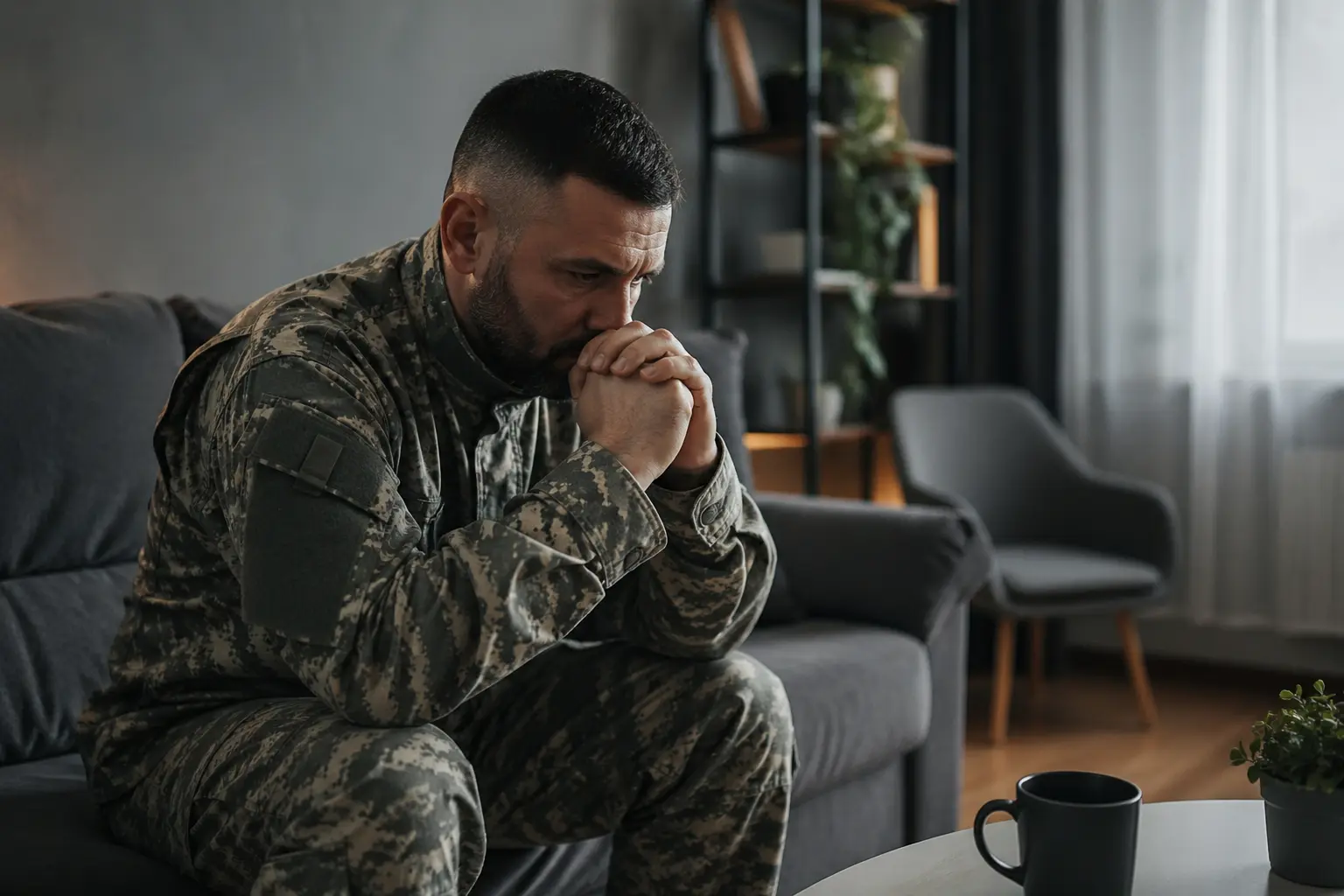
You wake up drenched in sweat from a nightmare you can’t shake, your heart racing at sounds that shouldn’t matter, and you’re exhausted from constantly feeling on edge – this is what the psychological effects war trauma does to young adults, and you’re not alone in this fight.
Recognizing war trauma symptoms
War trauma doesn’t announce itself with a single obvious sign. Instead, it creeps into your daily life through a collection of symptoms that might seem unrelated at first. You might notice you’re having vivid flashbacks where your body reacts as if you’re back in the moment of danger, even though you’re physically safe. Nightmares become routine, leaving you exhausted before your day even starts. Anxiety spikes without warning, sometimes triggered by specific sounds or smells, other times appearing from nowhere. Mood swings can make you irritable one moment and withdrawn the next. A young adult might find themselves avoiding crowded places, certain conversations, or even people they once felt close to. Some experience difficulty concentrating at work or school, while others struggle with sleep that never feels restorative. The key is recognizing that these aren’t character flaws or weakness – they’re your nervous system’s response to what it experienced. Identifying these patterns early helps you understand what’s happening and opens the door to getting real support.
- Persistent feelings of fear and anxiety
- Difficulty sleeping and concentrating
- Avoidance of people or places that trigger memories
Seeking professional help
Getting professional support is one of the most direct paths forward, and it’s not as intimidating as it might feel. A trauma-specialized therapist can help you process what happened in a structured, safe environment. Cognitive-behavioral therapy, or CBT, works by helping you identify thought patterns that keep you stuck in a trauma response and gradually rewire how you react to triggers. Eye movement desensitization and reprocessing, known as EMDR, uses guided eye movements while you recall traumatic memories to help your brain process and store them differently. Some young adults find that a combination of therapy and medication prescribed by a psychiatrist works best for managing symptoms. The first step is finding a provider who specializes in trauma – your primary care doctor, a local mental health clinic, or online therapy platforms can connect you with someone qualified. Don’t settle for the first therapist if the fit isn’t right; finding someone you trust is crucial. Many providers offer initial consultations to see if you click before committing to ongoing treatment.
📘 Fix your day in under 2 minuteschoose where to begin:
Building a support network
Isolation amplifies trauma’s grip, but connection – even small moments of it – can shift something fundamental. Your support network might include close friends who listen without judgment, family members who show up consistently, or peer support groups where you meet others who truly understand because they’ve lived it too. Some young adults find online communities focused on war trauma recovery, where anonymity makes it easier to share. Others prefer one-on-one connections with a mentor or counselor outside of formal therapy. The key is quality over quantity. One person who genuinely gets it matters more than ten who don’t. When you share your experience with someone safe, you’re breaking the silence that trauma loves. You’re also gathering evidence that you’re not broken and that others have found their way through similar darkness. Support groups specifically for young adults affected by war trauma can be particularly powerful because peers your age face similar challenges with school, work, relationships, and identity. Building this network takes time and vulnerability, but it’s one of the most healing investments you can make.
Engaging in self-care practices
Self-care isn’t about bubble baths and candles – it’s about actively managing your nervous system and building resilience. Exercise is one of the most evidence-backed tools available. Running, weightlifting, dancing, or even walking can help discharge the stress your body holds from trauma. Meditation and mindfulness teach your brain to observe thoughts without being controlled by them, creating space between the trigger and your reaction. Some young adults find that yoga, which combines movement with breathing, helps them feel more grounded in their body again. Journaling lets you externalize what’s swirling inside without judgment. Spending time in nature, maintaining regular sleep schedules, eating nourishing food, and limiting alcohol and drugs all support your nervous system’s recovery. The mistake many people make is waiting until they feel motivated to start these practices. Instead, treat them like non-negotiable appointments with yourself. Start small – a ten-minute walk, five minutes of breathing exercises – and build from there. These practices won’t erase trauma, but they create the stable foundation your healing needs.
Educating others and raising awareness
When you understand your own trauma, you’re in a position to help others understand it too. Sharing what you’ve learned reduces the stigma that keeps people suffering in silence. You might educate friends and family about what war trauma actually is, how it affects the brain, and why someone with trauma isn’t just being difficult or dramatic. In workplaces or schools, advocating for mental health resources and trauma-informed policies creates safer spaces for everyone. Some young adults find meaning in mentoring others who are earlier in their recovery journey, or in volunteering with organizations that support trauma survivors. Raising awareness doesn’t require a platform or public speaking. It can be as simple as having honest conversations, sharing resources when someone opens up to you, or pushing back against misconceptions when you hear them. By normalizing the conversation around war trauma and its psychological effects, you contribute to a culture where seeking help is seen as strength, not weakness. Your willingness to speak truth about what you’ve experienced can be the permission someone else needed to reach out for help.
Recognizing war trauma symptoms, seeking professional help, building a support network, practicing self-care, and raising awareness are essential steps in addressing the psychological effects of war trauma in young adults.
How common are psychological effects of war trauma in young adults?
Psychological effects of war trauma are quite prevalent in young adults who have experienced conflict or violence. It is essential to recognize the signs and seek appropriate support.
Can war trauma be effectively treated in young adults?
With the help of mental health professionals and support networks, young adults can effectively address and manage the psychological effects of war trauma through various therapeutic interventions.
Disclaimer: This article is for informational purposes only and is not a substitute for professional medical advice. Always consult a healthcare professional for personal guidance.
This guide has been prepared and reviewed by the GlobalHealthBeacon editorial team and reflects current medical research as of 2026. It provides structured, evidence-based information to support informed health decisions.
