Part of: Mental Health
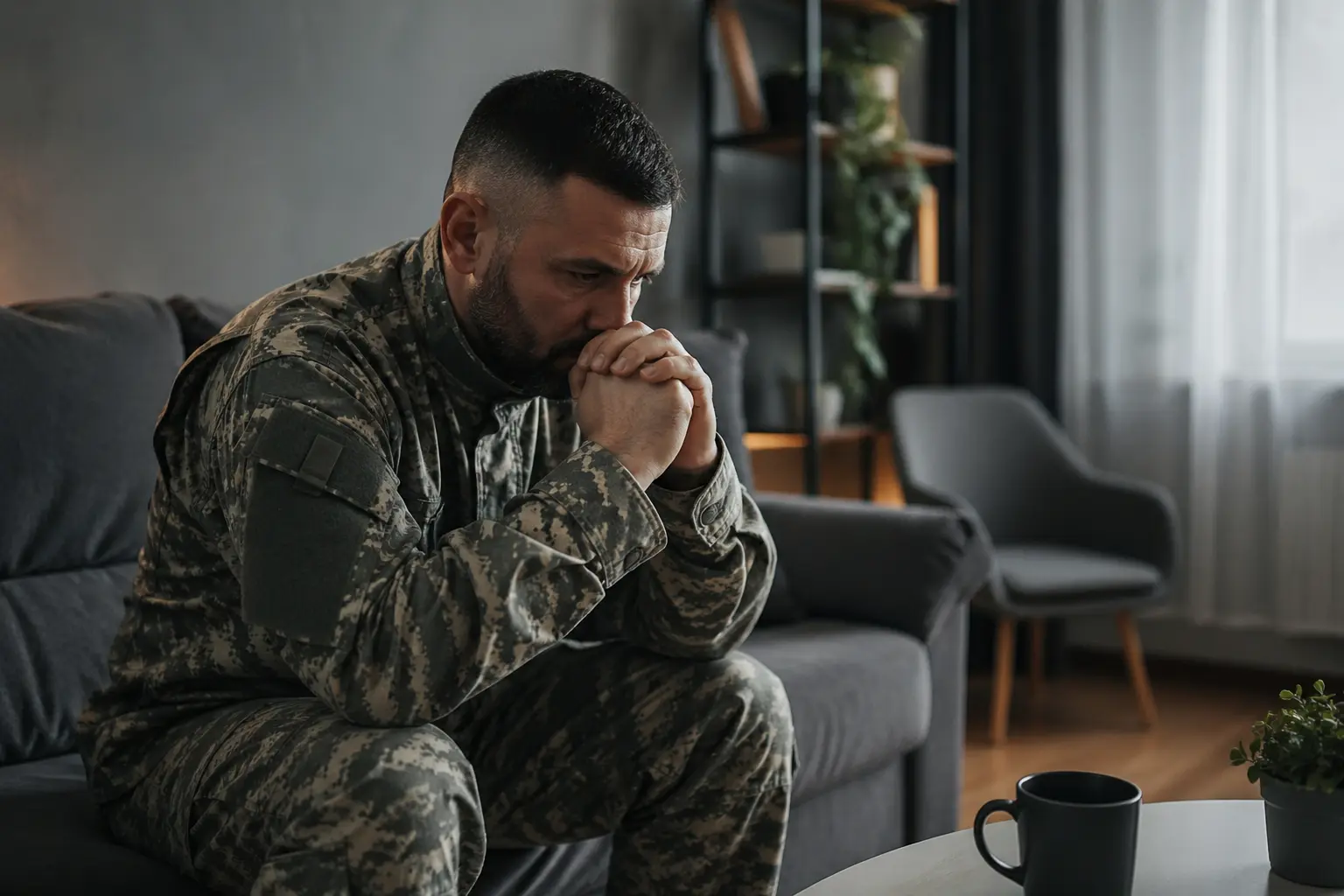
War trauma represents one of the most significant public health and psychological challenges facing modern societies. Exposure to armed conflict, combat, displacement, and violence leaves profound and often lasting impacts on the mental health and cognitive functioning of those affected, whether they are soldiers, civilians, or communities caught in zones of active conflict. The psychological effects of war extend far beyond immediate shock and fear, manifesting in complex trauma responses that can persist across decades and even generations.
The primary psychological consequences of war trauma include post-traumatic stress disorder (PTSD), depression, anxiety disorders, and grief-related conditions. These conditions arise from direct exposure to life-threatening events, witnessing violence, loss of loved ones, or displacement from homes and communities. Research from leading health organizations demonstrates that both combatants and non-combatants are vulnerable to these effects, with particular vulnerability observed in younger populations whose developmental trajectories may be altered by early trauma exposure. Understanding how war trauma affects the brain at a neurobiological level has become essential to comprehending behavioral changes, emotional regulation difficulties, and long-term psychological outcomes.
The experience and recovery pathway from war trauma varies significantly across demographic groups and life stages. Young adults navigating early adulthood, women facing gendered dimensions of conflict exposure, and seniors processing decades of accumulated trauma each encounter distinct challenges and responses. Long-term effects of war exposure can include chronic mental health conditions, impaired social relationships, occupational dysfunction, and reduced quality of life, yet evidence-based treatment approaches and recovery strategies have demonstrated meaningful effectiveness when appropriately tailored to individual circumstances.
This section provides comprehensive, research-informed coverage of war trauma’s psychological dimensions, examining symptomatology, neurological mechanisms, demographic variations, and evidence-based healing pathways. Articles within this collection synthesize scientific findings with practical guidance, offering both clinicians and affected individuals access to current knowledge about war trauma’s impact and the documented approaches to recovery and resilience.
The World Health Organization explains how exposure to war and conflict can lead to mental health conditions such as PTSD, depression, and anxiety, and outlines the broader psychological impact on affected populations. → Click here