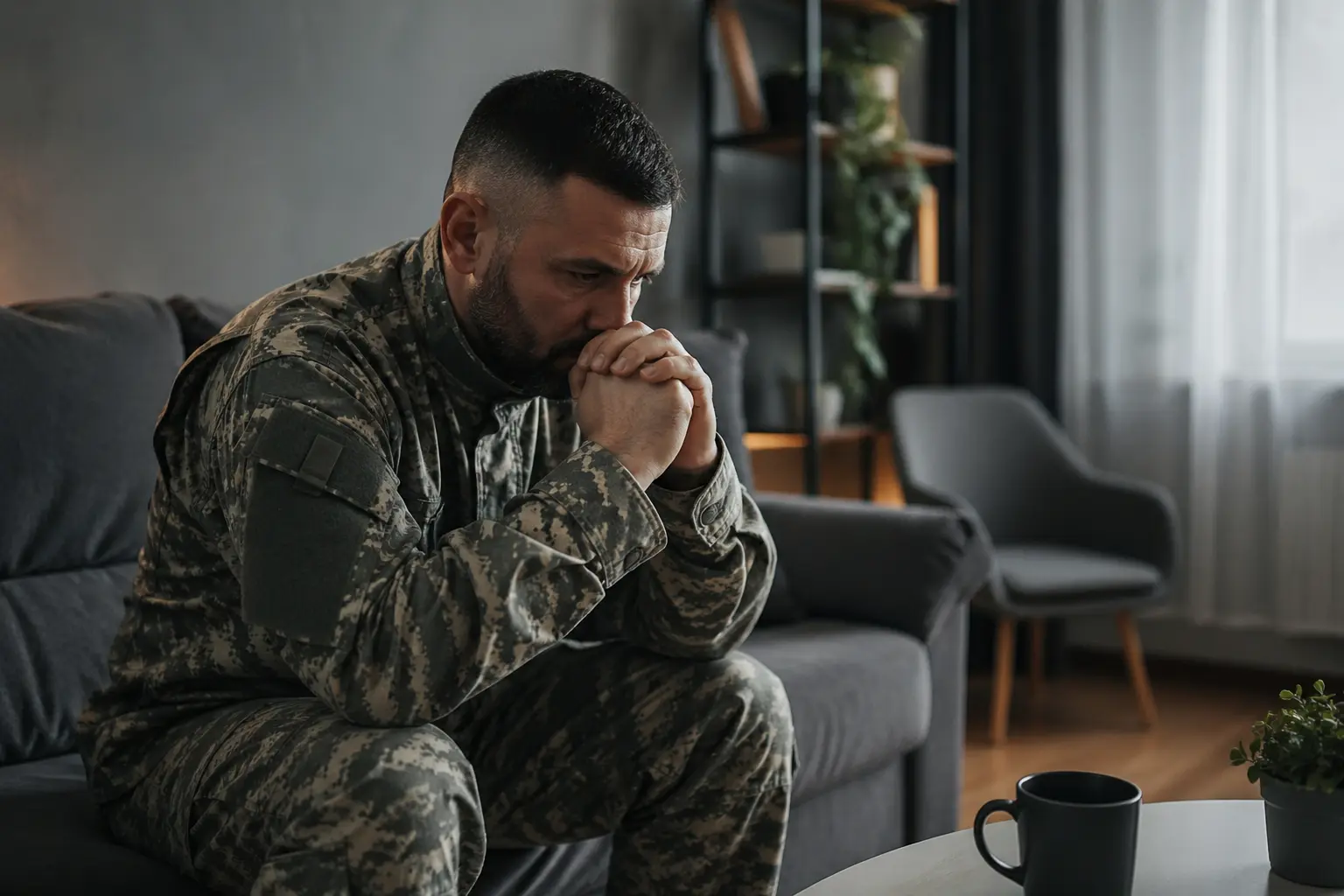
The psychological effects war trauma leaves you feeling trapped in your own mind, where your body won’t let you sleep, your thoughts won’t stop racing, and trusting anyone feels impossible.
Emotional turmoil and anxiety
The aftermath of war trauma often leaves young adults drowning in emotional turmoil that feels inescapable. Imagine waking up at 3 AM with your heart pounding, drenched in sweat, replaying a memory you wish you could forget. That constant state of unease becomes your new normal. You might find yourself jumping at unexpected sounds, feeling irritable with people you love, or experiencing waves of sadness that seem to come from nowhere. One moment you’re fine, the next you’re overwhelmed by fear and uncertainty. Many young adults describe it as living with an invisible weight, where simple tasks like grocery shopping or attending social events trigger overwhelming anxiety. Your nervous system stays in overdrive, constantly scanning for danger even when you’re safe at home. Sleep becomes a battleground, nightmares replace restful nights, and concentrating on work or studies feels nearly impossible. The emotional exhaustion compounds everything, leaving you feeling isolated because few people understand why you can’t just move on.
- Constant feelings of unease and restlessness that persist throughout the day
- Trouble sleeping and frequent nightmares that disrupt your recovery cycle
- Difficulty concentrating and maintaining relationships due to emotional overwhelm
Navigating the maze of PTSD
Post-Traumatic Stress Disorder hits differently for each young adult, but the impact is always profound. You might experience flashbacks where your brain forces you to relive traumatic moments as if they’re happening right now, complete with physical sensations and panic. Some days you avoid certain places, people, or conversations that remind you of what happened, which gradually shrinks your world. Others struggle with hypervigilance, that exhausting state where you’re always on high alert, unable to truly relax. A young adult might describe it like this: you’re at a coffee shop and a loud noise sends you into fight-or-flight mode, your body reacting before your mind catches up. Your relationships suffer because you withdraw, push people away, or react with anger that surprises even you. Work performance drops because concentration feels impossible. The symptoms can shift and change, making recovery feel unpredictable. What helped last week might not work this week. Understanding that PTSD isn’t weakness but a normal response to abnormal circumstances is crucial for moving forward.
💬 Ready to feel better in 2 minutes?choose where to begin:
Rebuilding trust and relationships
Trust doesn’t come easily after war trauma shatters your sense of safety. You might find yourself questioning people’s motives, fearing abandonment, or struggling to believe that anyone truly understands what you’ve been through. Imagine trying to explain to a friend why you need to sit facing the door at restaurants, or why you flinch when they touch you unexpectedly. Rebuilding relationships requires patience from both you and the people around you. Some young adults describe slowly learning to open up again, starting with small conversations and gradually sharing deeper parts of their story. It’s not linear. You’ll have setbacks where old fears resurface and you withdraw again. But with time and consistent support, trust can be rebuilt. Healthy relationships become anchors, reminding you that vulnerability isn’t weakness. Setting boundaries becomes essential, allowing you to feel safe while connecting with others. The process takes months or years, not weeks, and that’s completely normal.
Finding hope through therapy and support
Therapy can be transformative, but walking through that first appointment door takes courage. A therapist creates a safe space where you can finally say the things you’ve been holding inside without judgment. Evidence-based approaches like cognitive processing therapy or prolonged exposure therapy help rewire how your brain processes trauma. One young adult described it as slowly turning down the volume on the trauma’s grip on your life. You learn coping strategies like grounding techniques to use when flashbacks hit, breathing exercises for anxiety spikes, and ways to challenge negative thought patterns. Support from friends and family matters too, though professional help is often necessary. Support groups connect you with others who genuinely understand because they’ve walked similar paths. Medication might help some people manage symptoms while they do the deeper healing work. Recovery isn’t about forgetting what happened, it’s about reclaiming your life and building a future where trauma doesn’t control every decision you make.
Through emotional turmoil, anxiety, and the maze of PTSD, young adults battle to rebuild trust and relationships while finding hope through therapy and support in their recovery from war trauma.
How can therapy help young adults recovering from war trauma?
Therapy provides young adults with a safe space to process their experiences, emotions, and fears, helping them navigate the healing journey and rebuild trust in themselves and others.
What are common signs of PTSD in young adults?
Common signs of PTSD in young adults include flashbacks, nightmares, avoidance of triggers, heightened anxiety, and difficulty concentrating or sleeping.
Others also read:
Disclaimer: This article is for informational purposes only and is not a substitute for professional medical advice. Always consult a healthcare professional for personal guidance.
This article presents an experience-based perspective and has been reviewed by the GlobalHealthBeacon editorial team in 2026. It provides structured, evidence-based information to support informed health decisions.
