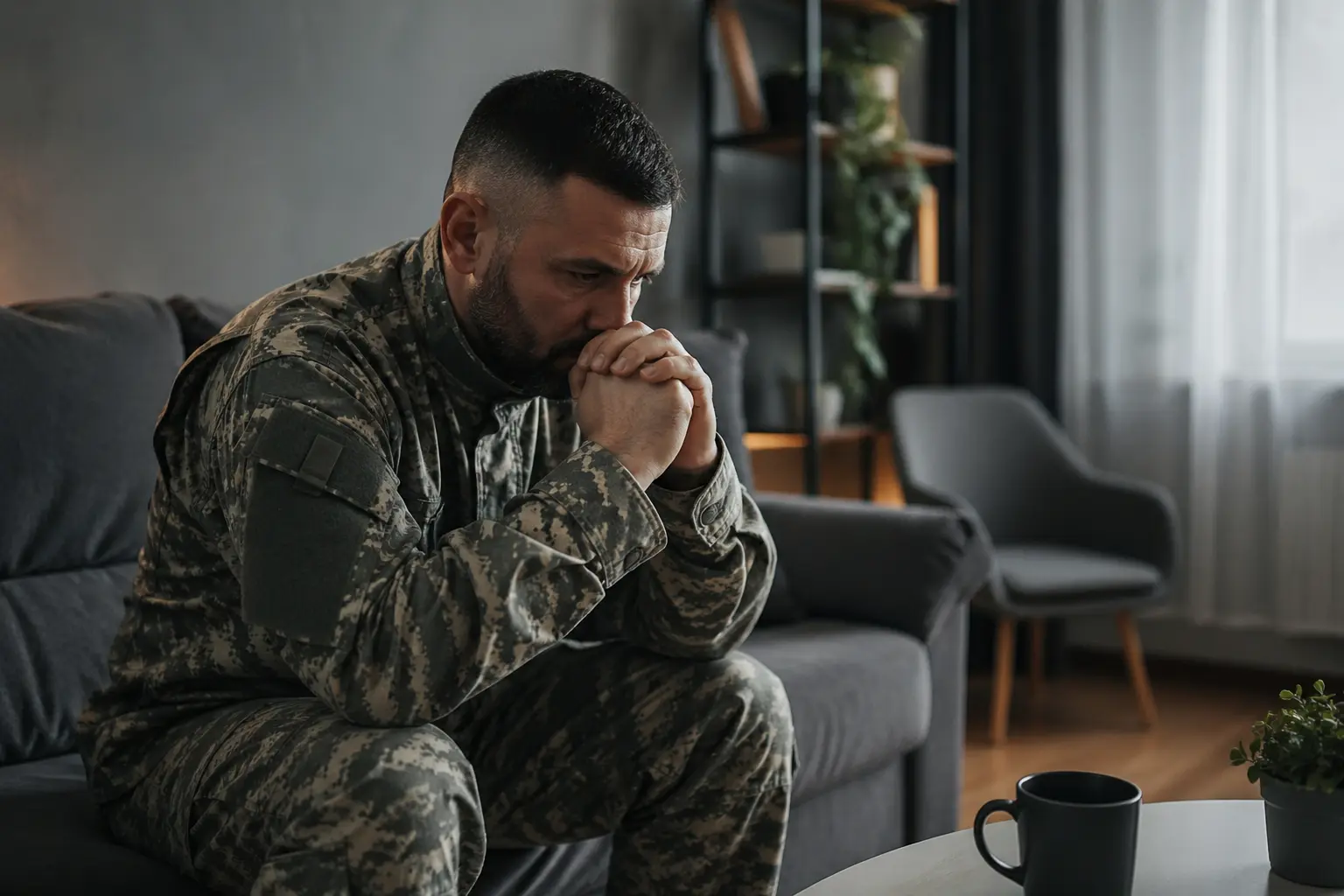
Nightmares that jolt you awake at 3 AM, sudden panic when you hear a loud noise, feeling like nobody around you could possibly understand what you lived through – the psychological effects war trauma leaves behind don’t just fade with time, and you deserve real answers about what’s happening and how to move forward.
Recognizing the signs of war trauma
War trauma in seniors often shows up in ways that might seem disconnected from the original event, sometimes decades later. You might notice a senior suddenly becoming withdrawn during family gatherings, or perhaps they flinch at unexpected sounds. Flashbacks can arrive without warning, pulling them back into a moment they thought they had moved past. Some seniors describe feeling emotionally numb, as if they are watching their own life from behind glass. Others experience intrusive memories that interrupt daily activities like cooking or watching television. The key is understanding that these are not signs of weakness or early dementia, but rather the brain’s way of processing overwhelming experiences. A senior might avoid certain movies, news stories, or even family discussions about current events because these trigger painful memories. Recognizing these patterns early allows family members and caregivers to respond with understanding rather than frustration, creating space for healing instead of judgment.
- Intrusive memories or nightmares related to the traumatic event
- Feeling disconnected from others or disinterested in previously enjoyed activities
- Avoidance of people, places, or situations that remind them of the trauma
Coping strategies for seniors
Effective coping starts with activities that calm the nervous system and create moments of genuine peace. Gentle yoga or tai chi, practiced just 15 minutes daily, can help seniors regulate their breathing and reduce the physical tension trauma stores in the body. Meditation does not need to be complicated, starting with simple five-minute sessions focusing on breath can make a real difference. Walking in nature, gardening, or even sitting quietly with a cup of tea provides grounding that helps seniors feel present rather than trapped in memories. Creative outlets like painting, writing, or music can help process emotions that are difficult to express in words. Journaling allows seniors to externalize their thoughts without judgment, creating distance between themselves and the trauma. Connecting with trusted friends or family members who listen without trying to fix things is invaluable. Some seniors find that helping others through volunteering or mentoring gives their experience meaning and purpose. The goal is building a toolkit of activities that work specifically for each person, not following a generic prescription.
📘 Fix your day in under 2 minuteschoose where to begin:
Building resilience and strength
Resilience is not something you are born with, it is something you build through consistent small actions over time. For seniors managing war trauma, this means maintaining routines that support physical health, such as regular sleep schedules, nutritious meals, and movement that feels good in the body. Staying connected with loved ones is not optional, it is medicine. Regular phone calls, visits, or even video chats with family and grandchildren remind seniors that they are part of a community and that their life has value beyond what happened in the past. Support groups specifically for war veterans or trauma survivors create powerful connections with people who truly understand. Hearing others share similar experiences and recovery strategies normalizes the journey and reduces isolation. Setting small, achievable goals like reading a book, completing a puzzle, or learning something new builds confidence and demonstrates that growth is possible. Celebrating these small wins matters more than you might think. Professional counseling combined with these personal practices creates a foundation strong enough to weather difficult moments when memories surface.
Seeking professional help
There is no shame in reaching out to a mental health professional, and in fact, doing so is a sign of strength and self-awareness. Therapists trained in trauma-specific approaches understand the unique challenges seniors face and can offer evidence-based treatments. Cognitive-behavioral therapy helps seniors identify thought patterns that keep them stuck and gradually rewire their responses to triggers. Eye Movement Desensitization and Reprocessing, or EMDR, works by processing traumatic memories in a way that reduces their emotional charge. Some seniors respond well to talk therapy where they process their experiences with a trained listener. Others benefit from medication prescribed by a psychiatrist to manage anxiety or sleep disturbances that accompany trauma. Support groups led by mental health professionals provide both treatment and community. When choosing a therapist, it is important to find someone with specific experience treating war trauma in older adults, as this requires understanding both trauma psychology and aging. Starting this process might feel daunting, but the first step is simply making a phone call or asking your primary care doctor for a referral.
Creating a supportive environment
A supportive environment starts with open, honest communication where seniors feel safe expressing difficult emotions without being judged or dismissed. Family members should ask what the senior needs rather than assuming, and then follow through on those needs consistently. This might mean creating a quiet space where they can retreat when overwhelmed, or establishing a signal that means they need to step away from a situation. Listening without immediately trying to fix or minimize their experience is powerful, sometimes the best support is simply saying, I hear you and I believe you. Understanding triggers helps everyone in the household anticipate and prevent unnecessary distress. If certain times of year are harder, like anniversaries or holidays, planning ahead with extra support makes a difference. Encouraging expression through talking, writing, art, or movement shows that all feelings are welcome. Avoiding judgment about coping methods, even if they seem unusual, helps seniors feel accepted. Including seniors in family decisions and activities when they are ready demonstrates that they are valued members of the family, not burdens. Small gestures like a favorite meal, a phone call from a grandchild, or sitting together in comfortable silence can provide profound comfort and healing.
Understanding the signs of war trauma in seniors, implementing coping strategies, building resilience, seeking professional help when needed, and creating a supportive environment are crucial aspects of navigating the psychological effects of war trauma for seniors.
How can family members support seniors dealing with war trauma?
Family members can offer emotional support, listen actively, encourage seeking professional help, and create a safe and understanding environment for seniors to express their feelings.
Are there specific therapies that are effective for seniors with war trauma?
Therapies such as cognitive-behavioral therapy, EMDR, and group therapy have shown effectiveness in helping seniors cope with war trauma by addressing triggers, processing emotions, and building resilience.
Others also read:
Disclaimer: This article is for informational purposes only and is not a substitute for professional medical advice. Always consult a healthcare professional for personal guidance.
This guide has been prepared and reviewed by the GlobalHealthBeacon editorial team and reflects current medical research as of 2026. It provides structured, evidence-based information to support informed health decisions.
