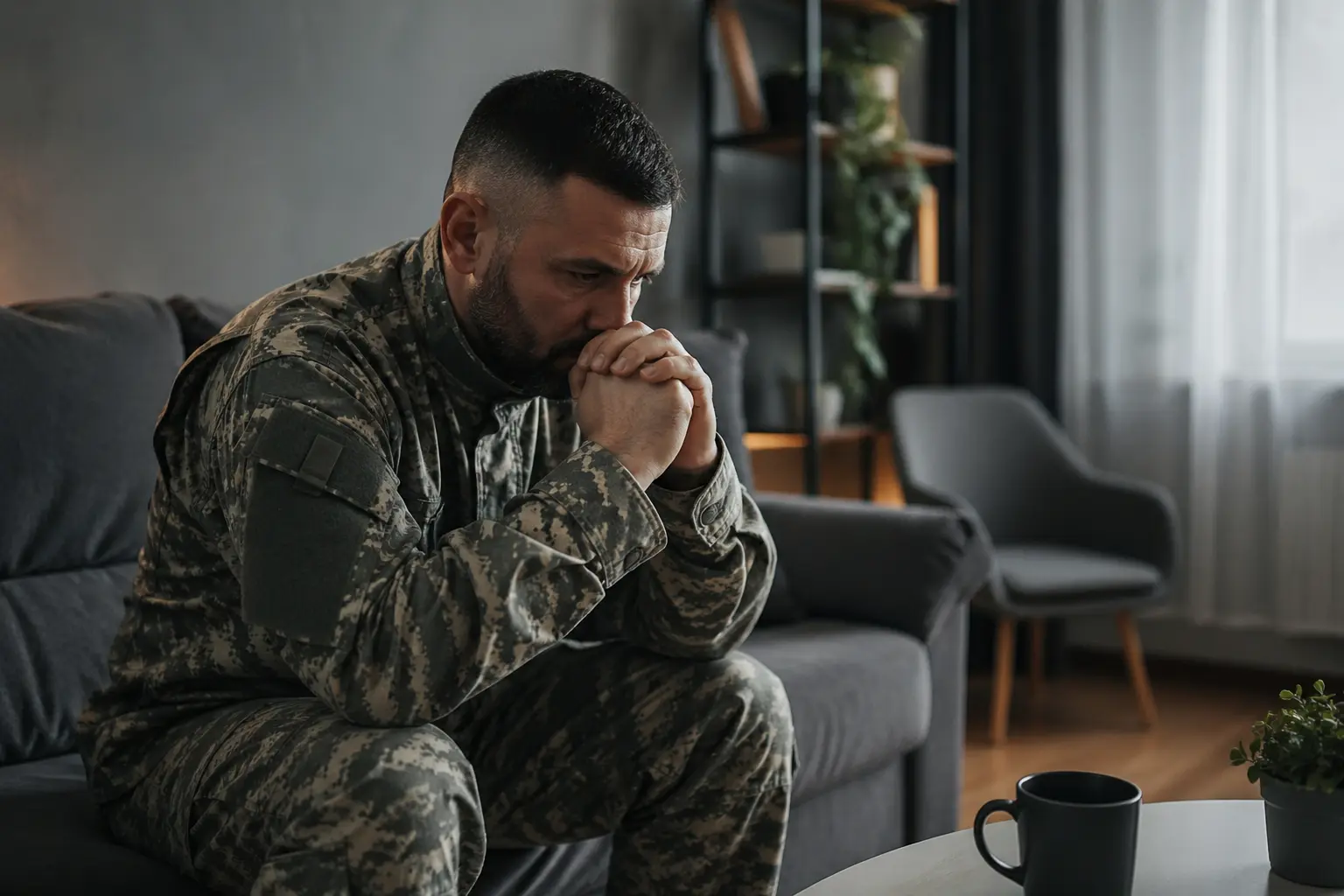
You wake up in a cold sweat from a nightmare you can’t shake, your heart racing at sounds that shouldn’t scare you, and you’re exhausted from constantly scanning for danger that isn’t there—this is what the psychological effects war trauma does to women, and you’re not alone in feeling this way.
Understanding war trauma
War trauma isn’t just a single event you experience and move past. It’s a complex web of emotional and psychological responses that can linger long after the immediate danger has passed. Women who’ve been exposed to war zones often describe feeling disconnected from their bodies, as though they’re watching their lives from outside themselves. You might experience intrusive thoughts that pop up without warning, nightmares that jolt you awake, or a constant state of hypervigilance where your nervous system treats everyday situations as potential threats. Some women describe it as their brain getting stuck in survival mode, unable to shift back to normal functioning. Understanding that these responses are your mind and body’s way of trying to protect you is crucial. War trauma can manifest as anxiety, depression, or post-traumatic stress disorder (PTSD), and each woman’s experience is unique. Recognizing these patterns in yourself is the first step toward healing and reclaiming your sense of safety.
- Recognize the signs of war trauma, such as intrusive thoughts, nightmares, and hypervigilance.
- Seek professional help from therapists or support groups specializing in trauma therapy.
- Practice self-care techniques like mindfulness, exercise, and maintaining a support network.
Coping strategies for women
Coping with war trauma requires strategies that speak directly to how women’s bodies and minds process stress differently. Mindfulness meditation can help you anchor yourself in the present moment when your mind drifts back to traumatic memories. Try starting with just five minutes a day, sitting quietly and focusing on your breath without judgment. Journaling allows you to externalize the thoughts swirling in your head, giving them a place to exist outside your mind. Some women find that writing letters to their trauma, or describing safe moments in detail, helps rewire their nervous system toward safety. Creative activities like painting, music, or movement-based practices such as yoga or dance can bypass the logical part of your brain and allow emotions to flow through your body. A woman who survived conflict zones found that pottery became her anchor, the repetitive motions calming her nervous system while creating something tangible. These strategies work because they engage different parts of your brain and give your body a chance to process what words alone cannot express.
📘 Fix your day in under 2 minuteschoose where to begin:
Building resilience
Resilience isn’t something you’re born with or without; it’s something you build, brick by brick, through intentional choices and connection. Volunteering, especially with other women who’ve experienced trauma, creates a sense of purpose and reminds you that your suffering has meaning. Connecting with nature, whether that’s a daily walk in a park or sitting by water, helps regulate your nervous system and provides sensory experiences that feel grounding and safe. Support groups specifically for women affected by war trauma create spaces where you don’t have to explain yourself or minimize your experience. A strong support network acts as your external nervous system when yours is dysregulated. This might include trusted friends, family members, mental health professionals, or online communities of women with similar experiences. Resilience also means celebrating small wins: making it through a difficult day, trying a new coping strategy, or having a conversation without your voice shaking. Each of these moments builds your capacity to handle the next challenge.
Processing emotions
Emotions from war trauma don’t disappear on their own; they need to be processed and integrated into your life story. Cognitive-behavioral therapy (CBT) helps you identify thought patterns that keep you stuck in trauma and gently challenge them with evidence from your actual life. Eye movement desensitization and reprocessing (EMDR) works differently, using bilateral stimulation (like eye movements or tapping) while you recall traumatic memories, which helps your brain reprocess these memories so they lose their emotional charge. Trauma-focused therapy creates a safe space where you can gradually expose yourself to memories at your own pace, with a trained professional guiding you. Many women find that their emotions come in waves, and learning to ride these waves rather than fight them is key. You might feel anger one day, grief the next, and that’s normal. Some women benefit from somatic therapies that focus on releasing trauma stored in the body through movement and breathwork. The goal isn’t to forget what happened, but to change your relationship with the memory so it no longer controls your present moment.
Moving towards healing
Healing from war trauma is a marathon, not a sprint, and it requires patience with yourself on days when progress feels invisible. Self-compassion means treating yourself with the same kindness you’d offer a close friend who’s suffering. When you notice self-criticism arising, pause and ask yourself what you actually need in that moment. Engaging in activities that bring genuine joy, whether that’s time with loved ones, creative pursuits, or simple pleasures like a warm drink or sunshine on your skin, reminds your nervous system that safety and joy still exist. Some women find that setting small, achievable goals helps them feel agency over their lives again. Healing also involves gradually expanding your world beyond survival mode. This might mean returning to hobbies you abandoned, rebuilding relationships, or pursuing education or work that feels meaningful. Many women find that their trauma becomes part of their story rather than the whole story, and they develop a deeper compassion for themselves and others. This journey is deeply personal, and there’s no single timeline or right way to do it.
Understanding war trauma, implementing coping strategies, building resilience, processing emotions, and moving towards healing are key steps for women affected by the psychological effects of war trauma.
What are the common signs of war trauma in women?
Common signs of war trauma in women include flashbacks, avoidance of triggers, hypervigilance, anxiety, and depression. Seeking professional help is crucial for proper diagnosis and treatment.
How can women affected by war trauma find support?
Women affected by war trauma can find support through therapy, support groups, online resources, and community organizations. Building a strong support network is essential for healing.
Others also read:
Disclaimer: This article is for informational purposes only and is not a substitute for professional medical advice. Always consult a healthcare professional for personal guidance.
This guide has been prepared and reviewed by the GlobalHealthBeacon editorial team and reflects current medical research as of 2026. It provides structured, evidence-based information to support informed health decisions.
