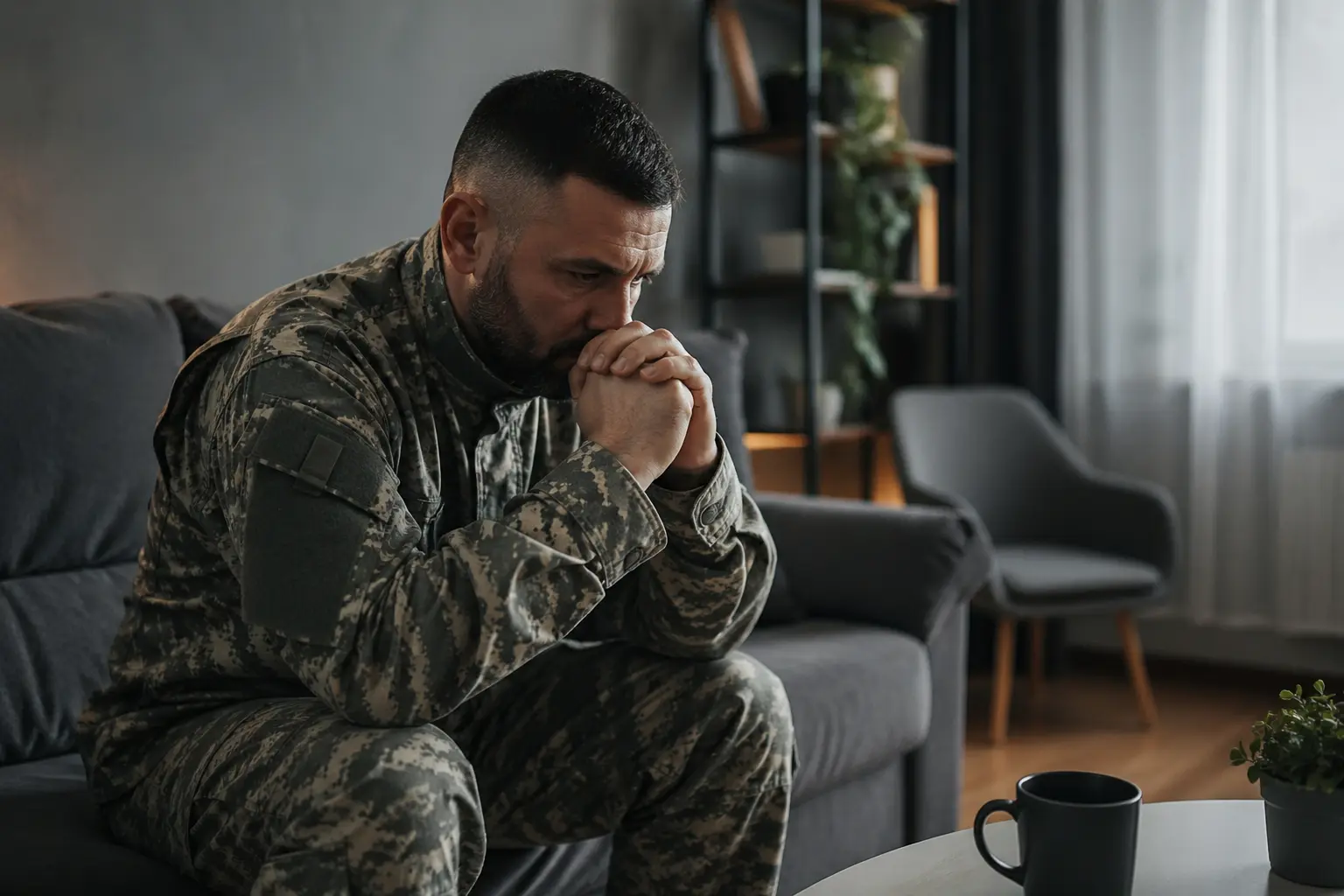
You can’t sleep, you’re hypervigilant in crowds, your mind won’t stop replaying moments you wish you could forget – the psychological effects war trauma leaves behind reshape how your brain processes fear, memory, and safety itself.
Neurobiology of war trauma
When the brain encounters war trauma, its stress response system shifts into overdrive. The amygdala, a small almond-shaped structure deep in your brain responsible for processing fear and emotion, becomes hyperactive and essentially stuck in alarm mode. This means everyday situations that shouldn’t trigger fear responses do. Meanwhile, the hippocampus, which handles memory formation and spatial awareness, actually shrinks under chronic stress. Imagine trying to file away memories when the filing cabinet itself is getting smaller. This physical change impacts not just what you remember, but how clearly you remember it. A young adult who experienced combat might find their brain has difficulty distinguishing between a car backfiring and an actual threat, or they struggle to recall details of safer moments because the traumatized brain prioritizes survival over normal memory processing. The prefrontal cortex, your brain’s rational decision-maker, also becomes less active, leaving the emotional amygdala in charge more often.
Impact on neural connections
War trauma doesn’t just affect individual brain structures; it fundamentally rewires how different regions communicate with each other. The neural pathways that normally help regulate emotions become disrupted, creating a kind of miscommunication between your emotional center and your thinking center. Picture a young adult who finds themselves snapping at friends over minor frustrations, or freezing during conversations without understanding why. These aren’t character flaws; they’re the result of altered neural connections. The brain’s threat-detection system becomes hypersensitive, sending danger signals even in safe environments. Decision-making suffers because the brain is constantly running background threat assessments. Someone might struggle to commit to plans, make choices at work, or maintain relationships because their brain is using energy to scan for danger rather than engage socially. These neural changes can persist for years after the traumatic event, creating a persistent gap between how the person wants to feel and how their brain actually functions in daily life.
Regulating the stress response
Understanding that your stress response can be regulated is the first step toward managing war trauma’s effects. Mindfulness techniques work by gradually teaching your nervous system that the present moment is safe, even when your brain’s alarm system disagrees. This might look like spending ten minutes daily focusing on your breath, noticing physical sensations without judgment, or practicing grounding exercises when anxiety spikes. Physical activity directly influences brain chemistry; exercise increases endorphins and reduces cortisol, the stress hormone that keeps your nervous system activated. A young adult might find that a thirty-minute run or even a walk helps quiet the mental noise more effectively than sitting alone with thoughts. Professional trauma therapy, particularly approaches like EMDR or cognitive processing therapy, helps your brain reprocess traumatic memories so they lose their emotional charge. Working with a trauma-specialized therapist creates a safe space to gradually expose your nervous system to memories in controlled ways, allowing your brain to learn that remembering doesn’t mean re-experiencing the danger. Combining these approaches creates multiple pathways for your brain to shift out of survival mode.
- Practice mindfulness techniques to retrain your nervous system
- Engage in regular physical activity to regulate stress hormones
- Seek professional trauma therapy to reprocess memories safely
🔬 Science-backed benefits in 2 minuteschoose where to begin:
Challenges in daily functioning
War trauma’s impact on daily life is often invisible to others but profoundly real for the person experiencing it. Concentration becomes nearly impossible when your brain is constantly scanning for threats; a young adult might read the same paragraph five times without absorbing it, or find their mind drifting during important meetings. Sleep disruption is common because the amygdala remains partially activated even at night, triggering nightmares or making it difficult to fall asleep despite exhaustion. Heightened vigilance means constantly monitoring exits, feeling uncomfortable in crowds, or being startled by unexpected sounds. These symptoms create a ripple effect: poor sleep impairs cognitive function further, making work or school performance suffer. Relationships strain when someone can’t explain why they withdrew or reacted harshly. The isolation that follows can deepen, as the person feels misunderstood or ashamed of their responses. A young adult might avoid social situations entirely, leading to loneliness that compounds the original trauma. Understanding these challenges as neurobiological responses rather than personal failures is crucial for seeking appropriate support and breaking the isolation cycle.
Long-term effects and recovery
Recovery from war trauma isn’t linear, and it’s not about forgetting. It’s about your brain gradually learning to process the experience differently. With appropriate treatment, many young adults experience significant symptom improvement over months or years. Therapy helps rewire neural pathways so traumatic memories become less emotionally charged. Social support plays a measurable role; research shows that strong relationships actually help stabilize the nervous system. A young adult surrounded by people who understand and validate their experience shows better recovery outcomes than someone isolated. Self-care practices like consistent sleep, nutrition, and stress management support the brain’s natural healing processes. Some people find that their trauma becomes integrated into their life story rather than defining their entire identity. They might still have difficult days, but the frequency and intensity of symptoms decrease. Recovery also involves building new neural pathways through positive experiences, learning, and gradually expanding comfort zones. The brain’s neuroplasticity means it can continue changing throughout life, offering genuine hope that current struggles don’t determine future functioning.
The role of resilience
Resilience isn’t something you’re born with; it’s built through experience and practice. For young adults navigating war trauma, resilience develops by identifying and strengthening existing support systems. This might mean deepening connections with family members who understand, finding peer support groups with others who’ve experienced similar trauma, or building relationships with mentors who’ve recovered from their own challenges. Developing coping skills creates a toolkit for managing difficult moments; these might include breathing techniques, creative outlets, physical activities, or journaling. Maintaining a positive outlook doesn’t mean denying pain; it means intentionally noticing moments of progress, however small. A young adult might recognize that they attended a social event without overwhelming anxiety, or that they slept through the night, or that they handled a trigger without shutting down completely. These wins rewire the brain toward hope. Focusing on personal strengths and resources shifts attention from what trauma took to what remains and what can be built. Over time, this resilience-building process creates new neural pathways that support emotional regulation, connection, and meaning-making, fundamentally altering how the brain responds to stress.
War trauma alters the brain’s stress response system, shrinks the hippocampus, and disrupts neural communication between emotional and rational centers. Young adults experience challenges in concentration, sleep, and relationships. Recovery involves therapy, mindfulness, physical activity, social support, and resilience-building to help the brain reprocess trauma and restore functioning.
How does war trauma affect cognitive function?
War trauma impairs cognitive function through hippocampal shrinkage, which affects memory formation and recall, and through disrupted communication between the prefrontal cortex and amygdala, impairing decision-making and attention. The brain’s constant threat-scanning consumes cognitive resources needed for concentration and learning.
Is recovery from war trauma possible?
Yes, recovery is possible with appropriate treatment. Therapy, particularly trauma-focused approaches, helps the brain reprocess memories and reduce their emotional impact. Combined with social support, physical activity, and mindfulness practices, many young adults experience significant symptom improvement and improved daily functioning over time.
Others also read:
Disclaimer: This article is for informational purposes only and is not a substitute for professional medical advice. Always consult a healthcare professional for personal guidance.
This article has been prepared and reviewed by the GlobalHealthBeacon editorial team and is based on current medical research and published scientific literature available in 2026. It provides structured, evidence-based information to support informed health decisions.
← Back to the Main page on: psychological effects war trauma
