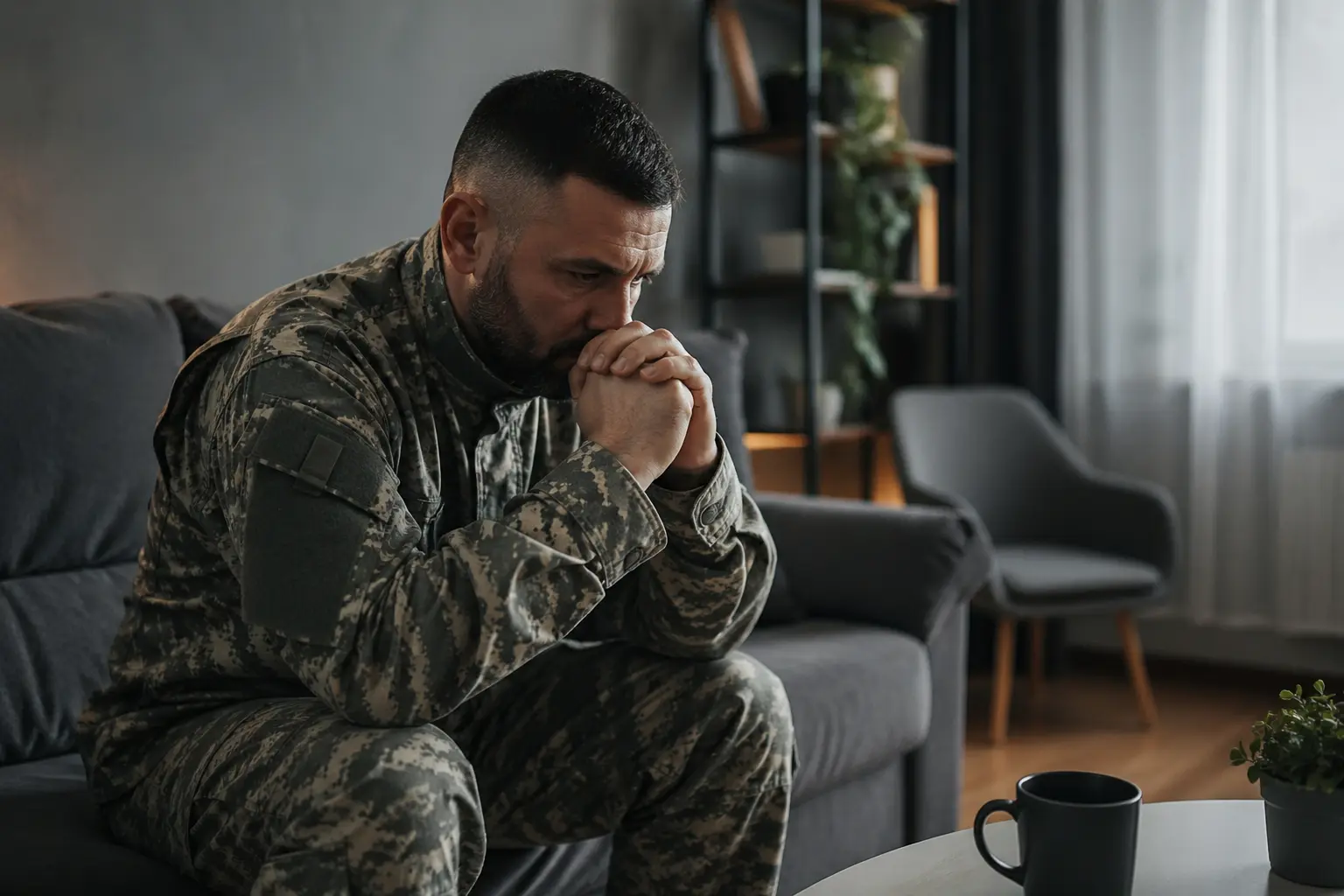
You wake up at 3 AM drenched in sweat from a nightmare that felt completely real, your heart pounding like you’re back there, and you realize the psychological effects war trauma has carved into your life aren’t something time alone can heal.
The lingering impact
War trauma doesn’t fade quietly for seniors. It settles into the nervous system like an unwelcome houseguest, triggering PTSD, depression, and survivor’s guilt that can reshape how you move through your days. Consider Margaret, a 78-year-old who spent decades managing flashbacks triggered by unexpected loud noises. A car backfire sends her spiraling. The invisible wounds of conflict create real barriers: relationships suffer when emotional numbness keeps you distant from loved ones, your sense of safety erodes, and the weight of what you witnessed presses down on your overall well-being. Many seniors describe feeling trapped between two worlds, unable to fully reconnect with the present because their nervous system remains locked in survival mode from decades past.
- Flashbacks and nightmares disrupt sleep patterns and trigger intense emotions.
- Avoidance behaviors and social withdrawal can isolate seniors from their support systems.
- Hypervigilance and emotional numbing create barriers to engaging fully in daily activities.
Coping mechanisms and support
Healing from war trauma isn’t about forgetting, it’s about learning to carry the weight differently. Working with a trauma-informed therapist who understands combat or conflict exposure can be transformative. Some seniors find that joining a veteran’s support group or a trauma recovery circle creates space where they don’t have to explain themselves. Others discover that mindfulness practices like gentle breathing exercises help calm an overactive nervous system. Physical activities such as walking, tai chi, or even gardening provide grounding. Creative outlets matter too, whether that’s journaling, painting, or music. One 82-year-old veteran found that woodworking gave him a sense of control and purpose he thought he’d lost forever. The key is finding what resonates with you and being patient with the process.
💬 Ready to feel better in 2 minutes?choose where to begin:
Embracing resilience
You’ve survived the unsurvivable. That alone speaks volumes about your strength, even if you don’t feel it some days. Seniors who’ve navigated war trauma often discover a quiet resilience that comes from reframing their experiences not as defining traumas but as chapters in a longer story of survival. Finding meaning in what happened, whether through helping others, mentoring younger generations, or simply acknowledging how far you’ve come, shifts something internally. Fostering genuine connections with people who understand your journey matters deeply. Some seniors reclaim their sense of self by setting small, achievable goals, celebrating quiet victories, and recognizing that healing isn’t linear. It’s okay to have hard days. It’s also okay to recognize the moments when you feel more like yourself again.
Healing through legacy and reflection
Many seniors find profound healing by transforming their pain into purpose. Sharing your story, whether through oral history projects, writing memoirs, or simply talking with family members, creates a bridge between past and present. One 85-year-old found that recording his experiences for his grandchildren gave him a sense of closure he never expected. Legacy work honors what you endured while ensuring that future generations understand the human cost of conflict. Reflection practices, like journaling about your journey or sitting quietly with your memories without judgment, can be deeply restorative. Some seniors create memory boxes, plant trees in remembrance, or contribute to peace initiatives. These acts acknowledge your resilience and transform suffering into something meaningful, helping you reclaim not just survival, but a sense of purpose and dignity.
Seniors navigating the aftermath of war trauma face immense psychological challenges that ripple through daily life, relationships, and sense of safety. By seeking support from trauma-informed professionals, embracing resilience through meaningful practices, and reflecting on their experiences, they can navigate the path towards healing and reclaim their sense of self and purpose.
Can war trauma impact seniors differently than younger individuals?
Yes, seniors may experience war trauma differently due to factors such as age-related vulnerabilities, coping mechanisms developed over years, and unique life perspectives that shape their responses to traumatic events.
How can family and friends support seniors dealing with war trauma?
Family and friends can support seniors by offering a compassionate ear, encouraging them to seek professional help, and providing a safe and understanding environment for open conversations about their experiences.
Others also read:
Disclaimer: This article is for informational purposes only and is not a substitute for professional medical advice. Always consult a healthcare professional for personal guidance.
This article presents an experience-based perspective and has been reviewed by the GlobalHealthBeacon editorial team in 2026. It provides structured, evidence-based information to support informed health decisions.
