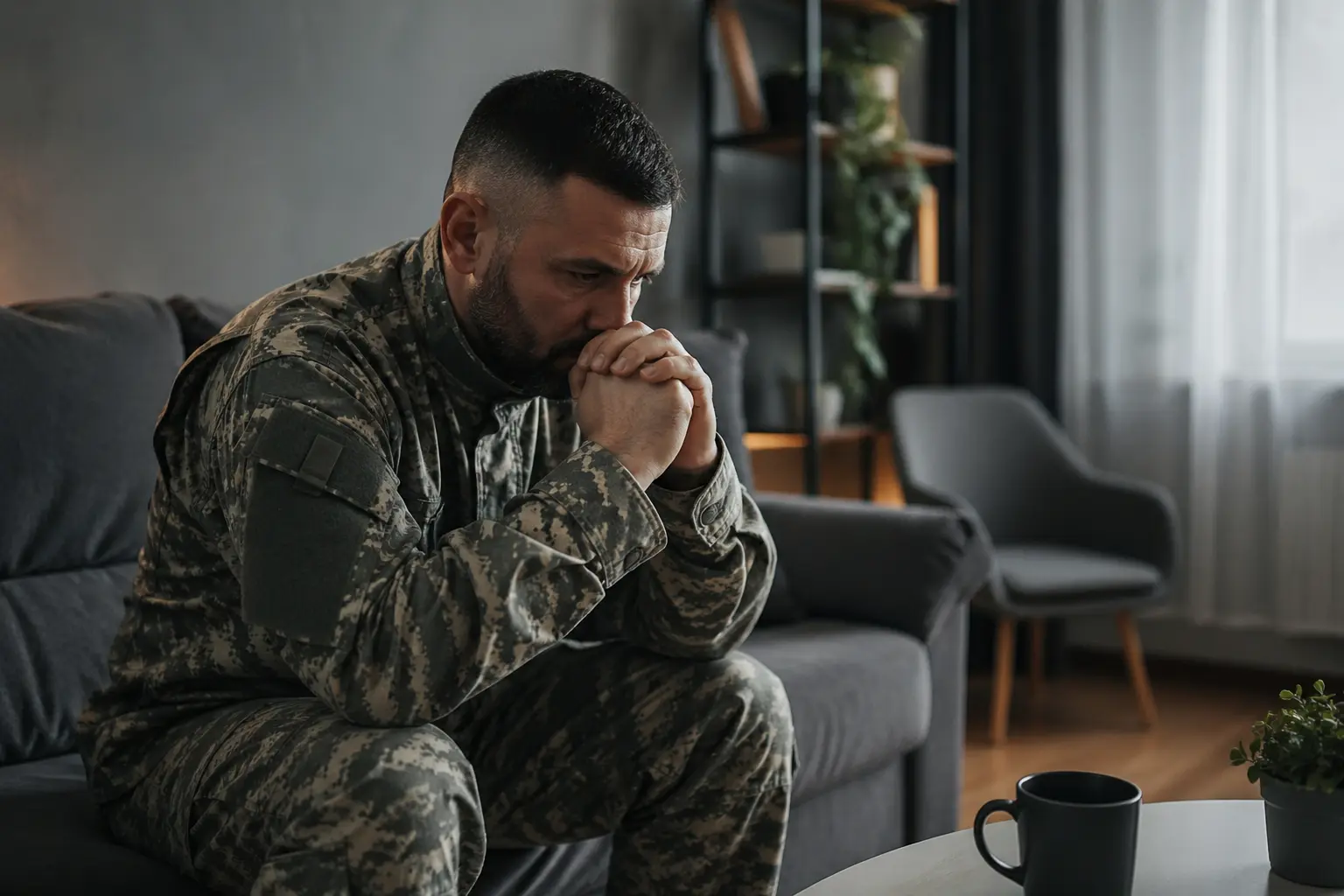
The psychological effects war trauma leaves behind don’t just fade when the fighting stops – they follow you into grocery stores, into bedrooms at 3 AM when sleep won’t come, into moments with people you love when suddenly you’re somewhere else entirely, trapped in a memory that feels more real than the present moment.
Understanding the impact of war trauma
War trauma doesn’t announce itself with a single, clear symptom. Instead, it creeps into your life through a thousand small cracks. One woman describes how she’d be driving to work and suddenly her hands would shake uncontrollably because a car backfired. Another talks about how she stopped going to restaurants because the noise and crowds felt suffocating, triggering panic that made her feel like she couldn’t breathe. The psychological effects war trauma creates can manifest as anxiety that whispers constantly in the background, depression that makes even simple tasks feel impossible, or PTSD that hijacks your nervous system without warning. These aren’t just emotional responses; they reshape how you navigate relationships, work, and the quiet moments alone. Understanding what’s happening inside your mind and body is the first step toward recognizing that these reactions aren’t personal failures but natural responses to extraordinary circumstances.
- Sleep disturbances and nightmares are common manifestations of war trauma, often leaving you exhausted even after a full night of restless tossing and turning.
- Avoidance behaviors, such as isolating oneself from others, can intensify feelings of loneliness and helplessness, creating a painful cycle where the very isolation meant to protect you actually deepens your pain.
- Flashbacks and intrusive thoughts can trigger overwhelming emotions and panic attacks, making it hard to function in everyday situations and sometimes making you feel like you’re losing control of your own mind.
Coping strategies for healing
Healing isn’t linear, and what works for one woman might not work for another, which is why having multiple tools in your toolkit matters so much. Some women find that therapy provides the breakthrough they needed, offering a trained professional who can help untangle the complex web of emotions and memories. Others discover that support groups become their lifeline, where sitting in a circle with women who truly understand what you’ve been through feels like finally being seen. Beyond professional help, small daily practices can shift something fundamental. One woman started with just five minutes of meditation each morning, watching her nervous system gradually learn that it was safe again. Another found that running became her release, a way to move the trauma through her body rather than let it sit heavy inside. Self-care isn’t selfish; it’s the foundation that allows you to show up for your own healing. Whether it’s journaling, art, time in nature, or simply setting boundaries with people who drain your energy, these practices remind you that you deserve gentleness and restoration.
💬 Ready to feel better in 2 minutes?choose where to begin:
Embracing resilience and growth
Somewhere in the midst of the pain, many women discover something unexpected: an inner strength they didn’t know they possessed. This isn’t the kind of resilience that means you’re fine or that the trauma didn’t matter. It’s the quiet, hard-won resilience that comes from facing your darkest moments and choosing to keep moving forward anyway. One woman describes how processing her trauma through art became a way to reclaim her narrative, transforming her pain into something meaningful. Another talks about how supporting other survivors gave her a sense of purpose she hadn’t felt in years. Healing involves acknowledging that yes, something terrible happened, and yes, it changed you. But it also means recognizing that you are more than what happened to you. Self-compassion becomes the practice of speaking to yourself the way you would to a dear friend who had suffered, with kindness instead of judgment. Growth doesn’t erase the past; it means building a future where the trauma no longer controls every decision you make.
Building a support network
Isolation is one of trauma’s favorite weapons, convincing you that no one could possibly understand what you’ve been through and that reaching out will only burden others. But the opposite is true. Connecting with other survivors, whether through formal support groups, online communities, or one-on-one friendships, creates a profound shift in how you carry your experience. One woman describes how a chance conversation with another war trauma survivor at a coffee shop became the beginning of a friendship that saved her life. They didn’t need to talk about the trauma constantly; sometimes they just sat together, and that presence alone felt healing. Building strong social bonds means showing up for others too, letting yourself be vulnerable enough to ask for help, and recognizing that your story and your strength can inspire someone else who is still struggling. Meaningful relationships aren’t just nice to have; they’re essential medicine for a wounded nervous system. Community reminds you that you were never meant to heal alone.
War trauma leaves lasting emotional scars, but seeking support, practicing self-care, embracing resilience, and building a support network can empower women to heal and find strength in their journey towards recovery.
How can therapy help women cope with war trauma?
Therapy provides a safe space for women to process their emotions, gain insights into their trauma, and develop coping strategies to manage their symptoms effectively.
Can engaging in support groups benefit women recovering from war trauma?
Yes, support groups offer a sense of community, understanding, and shared experiences, which can help women feel less isolated and provide valuable emotional support during their healing process.
Others also read:
Disclaimer: This article is for informational purposes only and is not a substitute for professional medical advice. Always consult a healthcare professional for personal guidance.
This article presents an experience-based perspective and has been reviewed by the GlobalHealthBeacon editorial team in 2026. It provides structured, evidence-based information to support informed health decisions.
