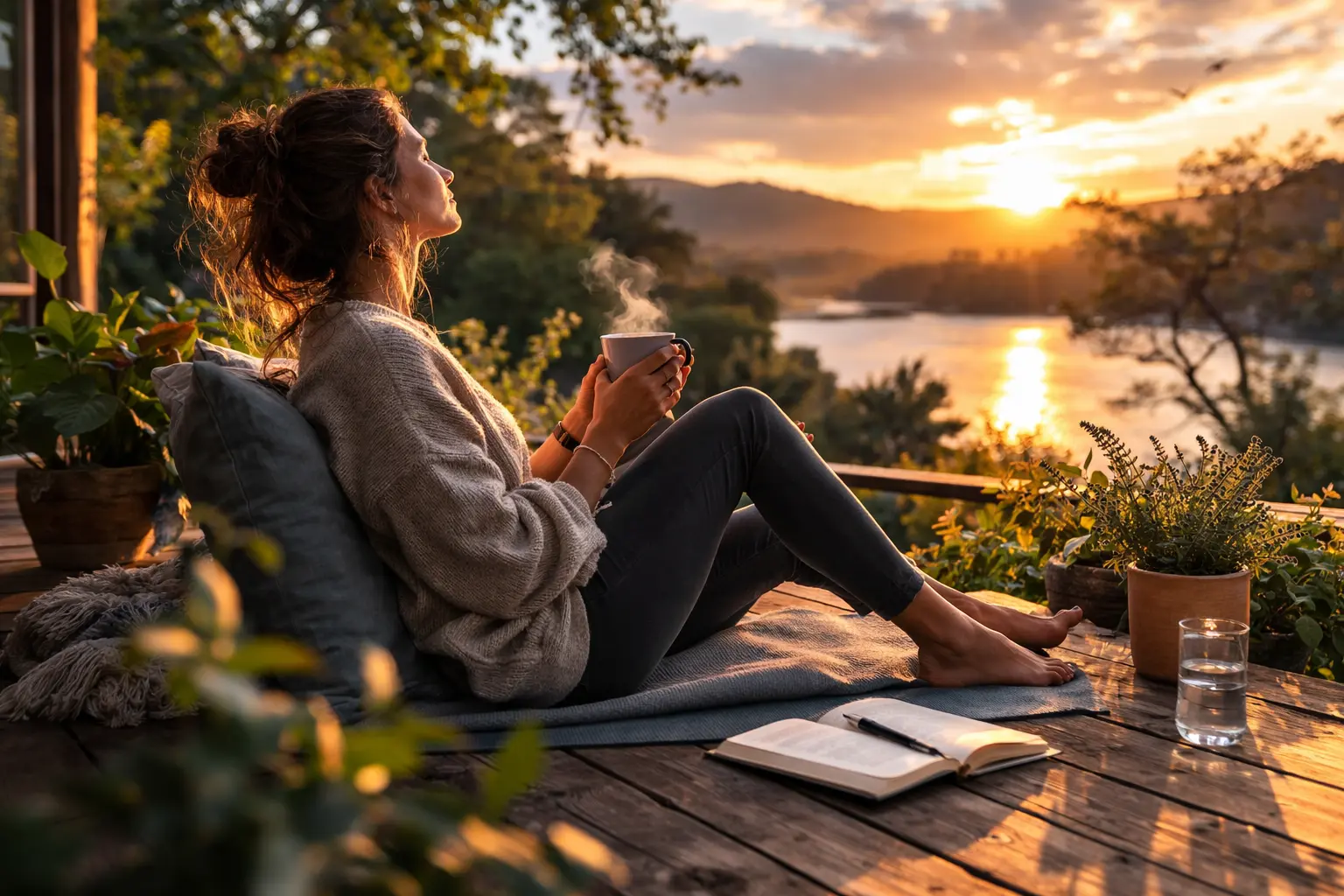
Your shoulders are permanently tensed, your mind won’t stop racing at 2 AM, and you can’t remember the last time you felt genuinely calm, but relaxation techniques for stress are exactly what you need to break this cycle and actually feel like yourself again.
Mindfulness meditation: the ultimate stress-reliever
Mindfulness meditation works by anchoring your attention to the present moment, which naturally interrupts the stress cycle your brain gets stuck in. When you sit quietly and focus on your breath, you’re essentially telling your nervous system that there’s no immediate threat, allowing it to shift from fight-or-flight mode into rest-and-digest mode. Start by finding a comfortable seated position in a quiet corner of your home, even if it’s just five minutes before your morning coffee. Close your eyes and breathe naturally while noticing the sensation of air entering and leaving your nostrils. Your mind will wander, and that’s completely normal. When you catch yourself thinking about your to-do list or replaying a conversation, gently redirect your attention back to your breath without judgment. Many women find that practicing this daily, even for ten minutes, creates a noticeable shift in how they respond to stressful situations throughout the day.
- Practice deep breathing techniques
- Incorporate guided visualization for relaxation
- Join mindfulness meditation classes for expert guidance
Progressive muscle relaxation: unwind your body and mind
Progressive muscle relaxation is a technique where you deliberately tense specific muscle groups for five seconds, then release them, noticing the contrast between tension and relaxation. This method works particularly well for women who carry stress physically in their shoulders, neck, and jaw. Begin by lying down or sitting comfortably, then start with your feet. Curl your toes tightly for five seconds, then release and notice how the muscles feel loose and heavy. Move systematically upward through your calves, thighs, glutes, abdomen, chest, hands, arms, shoulders, neck, and face. The key is to move slowly and deliberately, spending time with each muscle group. Many women report that this practice helps them recognize where they habitually hold tension and gives them a tool to release it before stress accumulates. You can complete a full-body session in fifteen to twenty minutes, or focus on just the areas where you feel the most tension on particularly stressful days.
📘 Fix your day in under 2 minuteschoose where to begin:
Yoga for stress relief: stretch away the tension
Yoga combines physical movement, controlled breathing, and meditation in a way that addresses stress from multiple angles at once. Unlike intense exercise that can sometimes increase cortisol if you’re already stressed, gentle to moderate yoga actually lowers your stress hormones while building strength and flexibility. Poses like child’s pose, downward-facing dog, and legs-up-the-wall are particularly calming because they activate your parasympathetic nervous system. If you’re new to yoga, start with beginner-friendly classes available on YouTube or through apps, or attend a local studio where an instructor can ensure you’re using proper form. Many women find that the combination of focusing on alignment, breath, and movement creates a natural mental break from daily worries. Even twenty minutes of gentle yoga three times per week can significantly reduce anxiety and improve sleep quality, making it one of the most accessible relaxation techniques for stress that fits into a busy schedule.
Aromatherapy: soothe your senses
Aromatherapy works by triggering your olfactory system, which connects directly to the limbic system in your brain that controls emotions and stress responses. Lavender is the most researched calming scent and can lower heart rate and blood pressure within minutes of inhalation. Chamomile promotes relaxation and is especially helpful before bed, while rosemary can reduce mental fatigue without making you drowsy. You can use essential oils in several practical ways: add five to ten drops to a diffuser in your bedroom or workspace, mix two to three drops with a carrier oil like coconut oil and apply to your wrists or neck, or add a few drops to a warm bath before bed. Some women keep a small rollerball of diluted essential oil in their bag for quick stress relief during a difficult workday. Be aware that essential oils are concentrated and should never be ingested or applied directly to skin without dilution, and always check that you’re using high-quality oils from reputable sources.
Nature walks: connect with the outdoors
Spending time in nature has measurable effects on your nervous system, lowering cortisol levels and reducing blood pressure within minutes of being outdoors. A leisurely walk in a park, forest, or by the water engages your senses in a way that naturally pulls your attention away from stress and worry. Notice the colors of the trees, listen to birds or waves, feel the temperature of the air on your skin, and breathe in the fresh scent of grass or ocean. Even twenty to thirty minutes several times per week can significantly improve your mood and resilience to stress. If you live in an urban area without easy access to nature, a park with trees, a botanical garden, or even a waterfront walk provides similar benefits. Many women find that combining a nature walk with a friend or family member adds a social connection element that further boosts mental health. The key is consistency and presence, so put your phone on silent and really allow yourself to be in the environment rather than rushing through it.
Explore the power of mindfulness meditation, progressive muscle relaxation, yoga, aromatherapy, and nature walks as effective relaxation techniques for managing stress naturally.
Can relaxation techniques really help reduce stress?
Yes, relaxation techniques such as mindfulness meditation, yoga, and aromatherapy have been shown to lower stress levels and promote overall well-being.
How long should I practice these relaxation techniques to see results?
Consistency is key. Aim to practice relaxation techniques for at least 10-20 minutes daily to experience the full benefits and effectively manage stress.
Others also read:
Disclaimer: This article is for informational purposes only and is not a substitute for professional medical advice. Always consult a healthcare professional for personal guidance.
This guide has been prepared and reviewed by the GlobalHealthBeacon editorial team and reflects current medical research as of 2026. It provides structured, evidence-based information to support informed health decisions.
