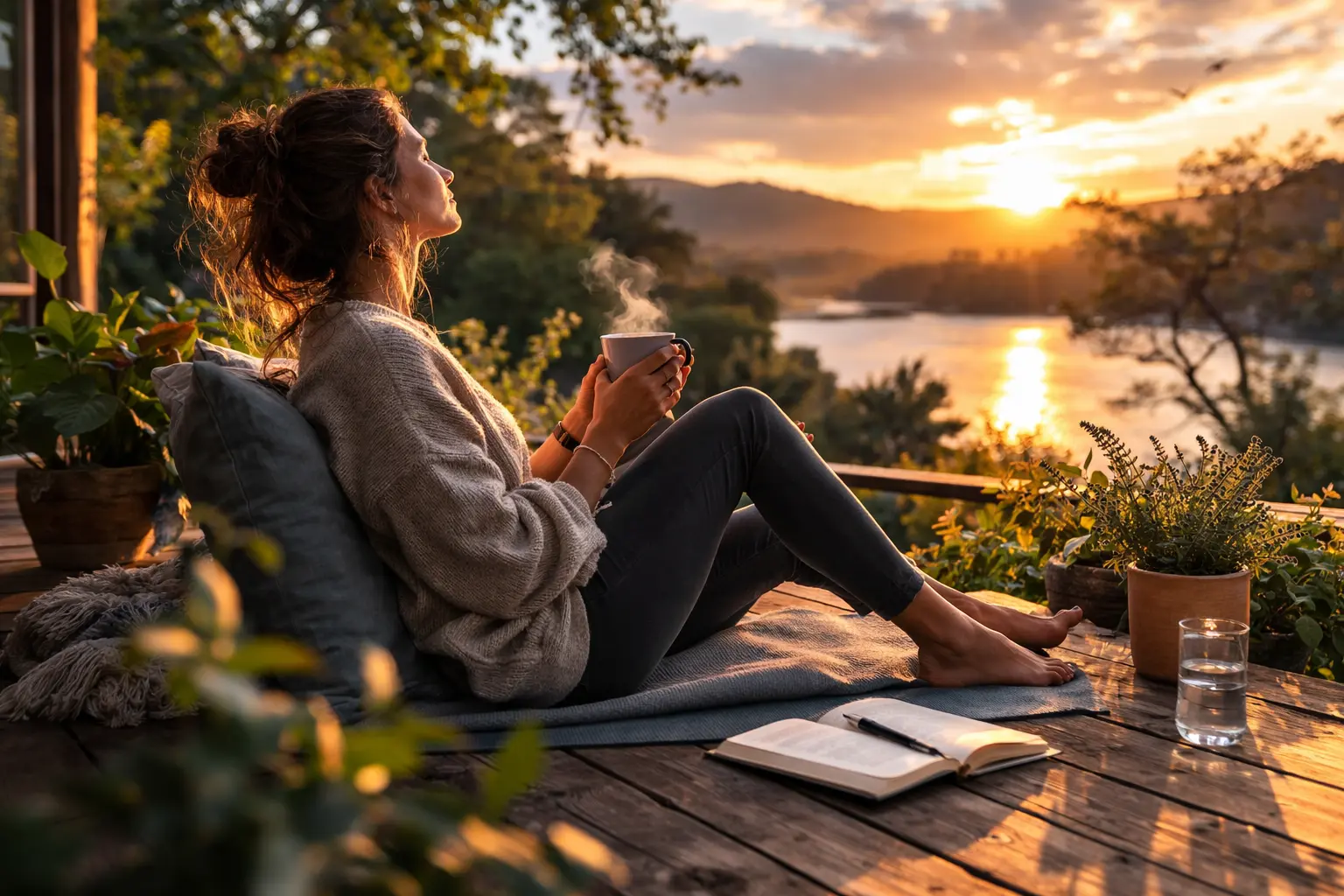
Your chest tightens, your mind races, and you cannot shake the feeling that everything is too much, but relaxation techniques for stress exist and they actually work without pills or complicated routines.
Understanding stress and its impact
Stress is your body’s natural alarm system. When you face a challenge or threat, your nervous system springs into action, releasing hormones like cortisol and adrenaline that prepare your muscles for action and sharpen your focus. This fight-or-flight response kept our ancestors alive. But here is what happens over time: when stress becomes chronic, when it lingers day after day without relief, your body never fully returns to baseline. For seniors, this prolonged activation takes a real toll. Your immune system weakens, sleep becomes fragmented, blood pressure climbs, and inflammation spreads throughout your body. You might notice your joints ache more, your digestion feels off, or you feel emotionally drained even after resting. The research is clear: chronic stress accelerates aging at the cellular level and increases risk for heart disease, diabetes, and cognitive decline. Understanding this connection between your mind and body is the first step toward taking control.
The power of mindful meditation
Mindful meditation sounds simple, but what happens in your brain during practice is remarkable. When you sit quietly and focus on your breath or the present moment without judging your thoughts, you are literally rewiring neural pathways. Studies using brain imaging show that regular meditators develop stronger connections in areas responsible for attention and emotional regulation, while the amygdala, your brain’s alarm center, actually shrinks. For a senior who has spent decades reacting to stress automatically, meditation teaches a different way. Instead of being swept away by worry, you learn to observe thoughts like clouds passing through the sky. One 75-year-old participant in a mindfulness study reported that after eight weeks of daily practice, her racing thoughts finally quieted enough for her to sleep through the night for the first time in years. She could sit with her grandchildren without feeling irritable. The benefits extend beyond the meditation cushion into daily life, helping you respond to frustrations with calm rather than reactivity.
Deep breathing exercises
Your breath is the one thing you can control instantly, anytime, anywhere. When you breathe deeply and slowly, you send a direct signal to your parasympathetic nervous system, the part of your body that handles rest and recovery. Think of it as flipping a switch from fight-or-flight to rest-and-digest. Shallow chest breathing, which many stressed people do unconsciously, actually reinforces anxiety. Deep breathing reverses this. Your heart rate slows, blood pressure drops, and muscle tension releases within minutes. A senior waiting in a doctor’s office, feeling anxious about test results, can use this technique right there in the chair. No equipment, no embarrassment, just breathing. The beauty is that your body responds immediately. You do not need weeks of practice to feel the effect. Even one round of slow, intentional breathing can shift your physiology noticeably. Many seniors find that practicing this several times daily, especially before bed or upon waking, creates a cumulative calming effect throughout their day.
- Find a quiet and comfortable place to sit or lie down, somewhere you will not be interrupted for a few minutes.
- Inhale deeply through your nose for a count of four, allowing your belly to expand fully rather than just your chest.
- Exhale slowly through your mouth for a count of six, releasing the breath completely and letting your shoulders drop.
- Repeat this cycle for a few minutes until you feel more relaxed, noticing how your body feels lighter with each breath.
🔬 Science-backed benefits in 2 minuteschoose where to begin:
Progressive muscle relaxation
Progressive muscle relaxation is a technique where you systematically tense and then release each muscle group in your body. Start with your toes, tighten them for five seconds, then release and notice the sensation of relaxation. Move up through your calves, thighs, abdomen, chest, arms, shoulders, neck, and face. This method works because it teaches your body the difference between tension and relaxation. Many seniors carry stress in their shoulders and jaw without realizing it, holding tension so constantly that it feels normal. By deliberately tensing and releasing, you become aware of where you hold stress and train your muscles to let go. A 68-year-old with arthritis found that gentle progressive muscle relaxation, modified to avoid painful joints, helped her sleep better and reduced her overall pain perception. The practice takes about 15 to 20 minutes and can be done lying in bed at night, making it practical for seniors with mobility limitations. Regular practice improves sleep quality and reduces daytime anxiety significantly.
Biofeedback therapy
Biofeedback is a fascinating approach where sensors attached to your skin monitor your heart rate, muscle tension, skin temperature, and brainwave patterns, displaying this information on a screen in real time. You watch your own physiology and learn to control it through relaxation techniques. When you see your heart rate drop or your muscle tension ease as you practice breathing or visualization, your brain makes the connection between what you are doing and the result. This immediate feedback is powerful. Some seniors use biofeedback devices at home, while others work with a trained therapist. Research suggests biofeedback is particularly helpful for seniors with high blood pressure or anxiety disorders. The mechanism is not mysterious, it is straightforward: awareness plus feedback plus practice equals learning. Your nervous system is trainable, and biofeedback accelerates that training by making the invisible visible. While more research continues, current evidence supports biofeedback as a non-invasive, drug-free tool for stress management.
Engage in relaxing activities
Relaxation is not one-size-fits-all. What calms one person might not work for another, and that is perfectly fine. Gentle yoga, practiced slowly with modifications for your body, combines movement with breathing and mindfulness. Tai chi, an ancient practice of slow, flowing movements, improves balance while calming the nervous system. Listening to music, especially slower tempos around 60 beats per minute, has been shown to lower cortisol levels. Some seniors find peace in gardening, painting, reading, or spending time in nature. A 72-year-old who felt too stiff for yoga discovered that a 20-minute walk in the park three times weekly reduced her anxiety more than any technique she had tried. Another found that playing soft piano music while sipping tea became her daily anchor of peace. The key is finding what genuinely brings you joy and peace, not what you think you should do. When an activity feels nourishing rather than obligatory, your body responds with real relaxation. Consistency matters more than intensity.
Stress is a natural response, but chronic stress damages your health in measurable ways. Evidence-based relaxation techniques like mindful meditation, deep breathing exercises, progressive muscle relaxation, biofeedback therapy, and engaging in relaxing activities offer seniors practical tools to manage stress without medication. These approaches work by activating your parasympathetic nervous system, rewiring stress patterns in your brain, and teaching your body how to genuinely relax. The best technique is the one you will actually practice. Start with one method, give it consistent effort for several weeks, and notice what shifts in your sleep, mood, and overall sense of well-being.
Is mindfulness meditation suitable for all seniors?
Mindfulness meditation can be beneficial for most seniors and requires no special equipment or physical ability. However, individuals with certain mental health conditions such as severe anxiety, PTSD, or psychosis should consult a healthcare provider before starting a meditation practice, as the technique of observing thoughts without judgment can sometimes intensify symptoms in these cases. A qualified instructor can also modify the practice for your specific needs.
Are there any side effects of deep breathing exercises?
Deep breathing exercises are generally safe for seniors and have no known negative side effects when practiced correctly. It is important to breathe at a comfortable pace and avoid hyperventilation, which can cause dizziness or lightheadedness. If you have respiratory conditions like asthma or COPD, discuss deep breathing techniques with your healthcare provider to ensure they are appropriate for your situation. Practice mindfully and at a pace that feels natural for your body.
Others also read:
Disclaimer: This article is for informational purposes only and is not a substitute for professional medical advice. Always consult a healthcare professional for personal guidance.
This article has been prepared and reviewed by the GlobalHealthBeacon editorial team and is based on current medical research and published scientific literature available in 2026. It provides structured, evidence-based information to support informed health decisions.
← Back to the Main page on: relaxation techniques for stress
