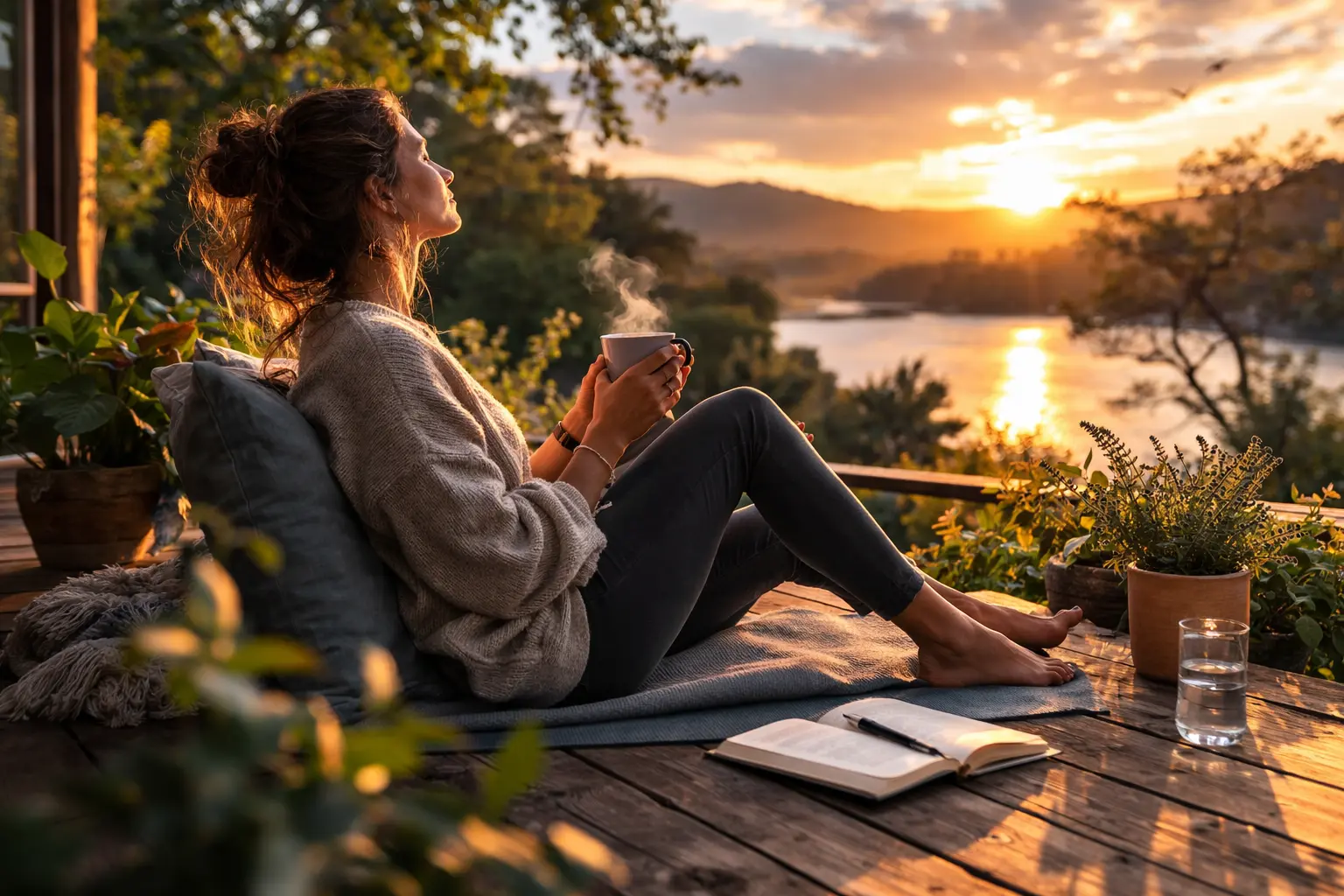
Your shoulders are permanently tensed, your mind won’t stop racing at 3 AM, and you can feel stress literally living in your body – but relaxation techniques for stress might be the missing piece that actually changes how you feel.
Understanding stress: the impact on women’s health
Stress affects women differently than men, partly due to hormonal fluctuations across the menstrual cycle, pregnancy, and menopause. When you experience chronic stress, your body continuously releases cortisol and adrenaline, hormones designed for short-term survival threats but harmful when elevated for weeks or months. Consider Sarah, a 45-year-old woman managing work deadlines and aging parents. She noticed her periods became irregular, her sleep deteriorated, and she caught every cold going around. Research shows this pattern is common: prolonged stress suppresses immune function, disrupts hormone balance, increases inflammation, and raises cardiovascular risk. Women also tend to internalize stress differently, sometimes ignoring warning signs until physical symptoms emerge. Understanding this connection between stress and your body’s systems is the first step toward recognizing why relaxation strategies aren’t luxuries but biological necessities for maintaining health.
The science behind relaxation techniques
Your nervous system operates in two main modes: the sympathetic nervous system, which activates the fight-or-flight response during stress, and the parasympathetic nervous system, which promotes rest and recovery. When you practice relaxation techniques, you’re essentially flipping a biological switch that tells your body it’s safe to calm down. Deep breathing activates the vagus nerve, a major pathway of the parasympathetic system, which then signals your heart rate to slow, blood pressure to drop, and cortisol production to decrease. Brain imaging studies show that meditation literally changes neural pathways associated with anxiety and emotional regulation. Progressive muscle relaxation works through a different mechanism: by deliberately tensing and releasing muscles, you teach your body to recognize the difference between tension and relaxation, making it easier to notice and release stress automatically. These aren’t just feel-good practices; they’re evidence-based interventions that measurably alter your physiology within minutes of practice.
Effective relaxation techniques for stress relief
Deep breathing, particularly diaphragmatic or belly breathing, is foundational because it’s accessible anywhere and works quickly. Instead of shallow chest breathing, you breathe deeply into your belly, which maximizes oxygen exchange and vagal stimulation. Try this: inhale for a count of four, hold for four, exhale for six. The longer exhale is key because it activates your parasympathetic system. Meditation doesn’t require emptying your mind, contrary to popular belief. Mindfulness meditation involves noticing thoughts without judgment, which actually rewires how your brain responds to stress triggers. Even five minutes daily shows measurable benefits. Progressive muscle relaxation involves systematically tensing muscle groups for five seconds, then releasing them, moving from toes to head. This technique is particularly helpful for women who hold tension in their neck and shoulders. A common mistake is expecting instant results or practicing only during crises. These techniques work best as preventative daily habits, not emergency interventions. Another error is forcing relaxation, which creates paradoxical tension. The goal is gentle, consistent practice.
- Start with diaphragmatic breathing for five to ten minutes each morning, focusing on making your exhale longer than your inhale to activate relaxation responses.
- Establish a regular meditation practice, beginning with just three to five minutes daily using a guided app or video to build consistency.
- Practice progressive muscle relaxation in the evening, systematically tensing and releasing each muscle group from your feet upward to release accumulated daily tension and improve sleep quality.
🔬 Science-backed benefits in 2 minuteschoose where to begin:
The benefits of regular relaxation practice
Women who practice relaxation techniques consistently report reduced anxiety, improved mood stability, better sleep quality, and enhanced emotional resilience. But the benefits extend beyond subjective feelings. Regular practice lowers resting cortisol levels, reduces blood pressure, improves immune function, and decreases inflammation markers. Over time, your nervous system becomes less reactive to stressors. What previously triggered anxiety might now feel manageable. Consider Michelle, who practiced meditation for three months. Her sleep improved, her digestive issues resolved, and she noticed she could handle work conflicts without the usual rumination afterward. The cumulative effect is profound: women who maintain these practices show lower rates of anxiety disorders, depression, and stress-related physical conditions. These aren’t temporary fixes but investments in long-term health resilience. The key is consistency. Even ten minutes daily outperforms occasional hour-long sessions because your nervous system learns to recognize relaxation as a normal state rather than an exception.
Additional tips for stress management
Relaxation techniques work best within a broader lifestyle context. Regular physical activity, particularly gentle movement like walking or yoga, complements breathing and meditation practices. Nutrition matters too: excessive caffeine and sugar amplify anxiety, while magnesium-rich foods support nervous system function. Sleep is non-negotiable because stress and poor sleep create a vicious cycle. Set a consistent bedtime and use relaxation techniques as part of your wind-down routine. Social connection is equally important. Women often prioritize others’ needs over their own, but meaningful conversations with trusted friends or family provide emotional regulation and perspective. If stress feels overwhelming, professional support from a therapist or counselor isn’t weakness but wisdom. Many women benefit from combining self-care practices with professional guidance. Self-compassion is the often-overlooked foundation: treating yourself with the same kindness you’d offer a struggling friend rather than self-criticism actually reduces stress more effectively than pushing harder.
The role of relaxation in women’s health
Research increasingly demonstrates that relaxation practices influence major health outcomes for women. Studies show regular practitioners have reduced cardiovascular disease risk, improved immune function, better hormonal balance, and enhanced emotional resilience. Women managing menopause symptoms report fewer hot flashes and mood swings with consistent relaxation practice. Those with anxiety disorders show measurable symptom reduction. The mechanism involves multiple pathways: reduced inflammation, improved parasympathetic tone, better stress hormone regulation, and neuroplasticity changes that literally rewire your brain’s stress response. What’s remarkable is that these benefits accumulate. A woman who practices for six months experiences different baseline physiology than someone who practices occasionally. Her body learns that relaxation is normal, making stress responses less intense and recovery faster. This isn’t about achieving perfection or eliminating all stress, which is impossible and undesirable. Instead, it’s about building capacity to navigate life’s inevitable challenges while maintaining your physical and emotional health. The science is clear: prioritizing relaxation isn’t selfish; it’s foundational medicine.
Scientific research consistently demonstrates that relaxation techniques effectively reduce stress levels, lower cortisol, improve mood, enhance sleep quality, and support overall women’s health outcomes. By incorporating practices like deep breathing, meditation, and progressive muscle relaxation into daily life, women can build nervous system resilience and better manage both acute and chronic stress while supporting their physical and emotional well-being.
Can relaxation techniques really help reduce stress?
Yes, extensive scientific research confirms that relaxation techniques such as deep breathing, meditation, and progressive muscle relaxation measurably reduce stress levels and promote calm. Brain imaging shows these practices activate the parasympathetic nervous system, lowering cortisol and heart rate within minutes of practice.
How often should I practice relaxation techniques for optimal benefits?
Daily practice, even for just five to ten minutes, produces the most significant benefits because your nervous system learns to recognize relaxation as a normal state. Consistency matters more than duration. Regular daily practice creates cumulative physiological changes that improve stress resilience over weeks and months.
Others also read:
Disclaimer: This article is for informational purposes only and is not a substitute for professional medical advice. Always consult a healthcare professional for personal guidance.
This article has been prepared and reviewed by the GlobalHealthBeacon editorial team and is based on current medical research and published scientific literature available in 2026. It provides structured, evidence-based information to support informed health decisions.
← Back to the Main page on: relaxation techniques for stress
