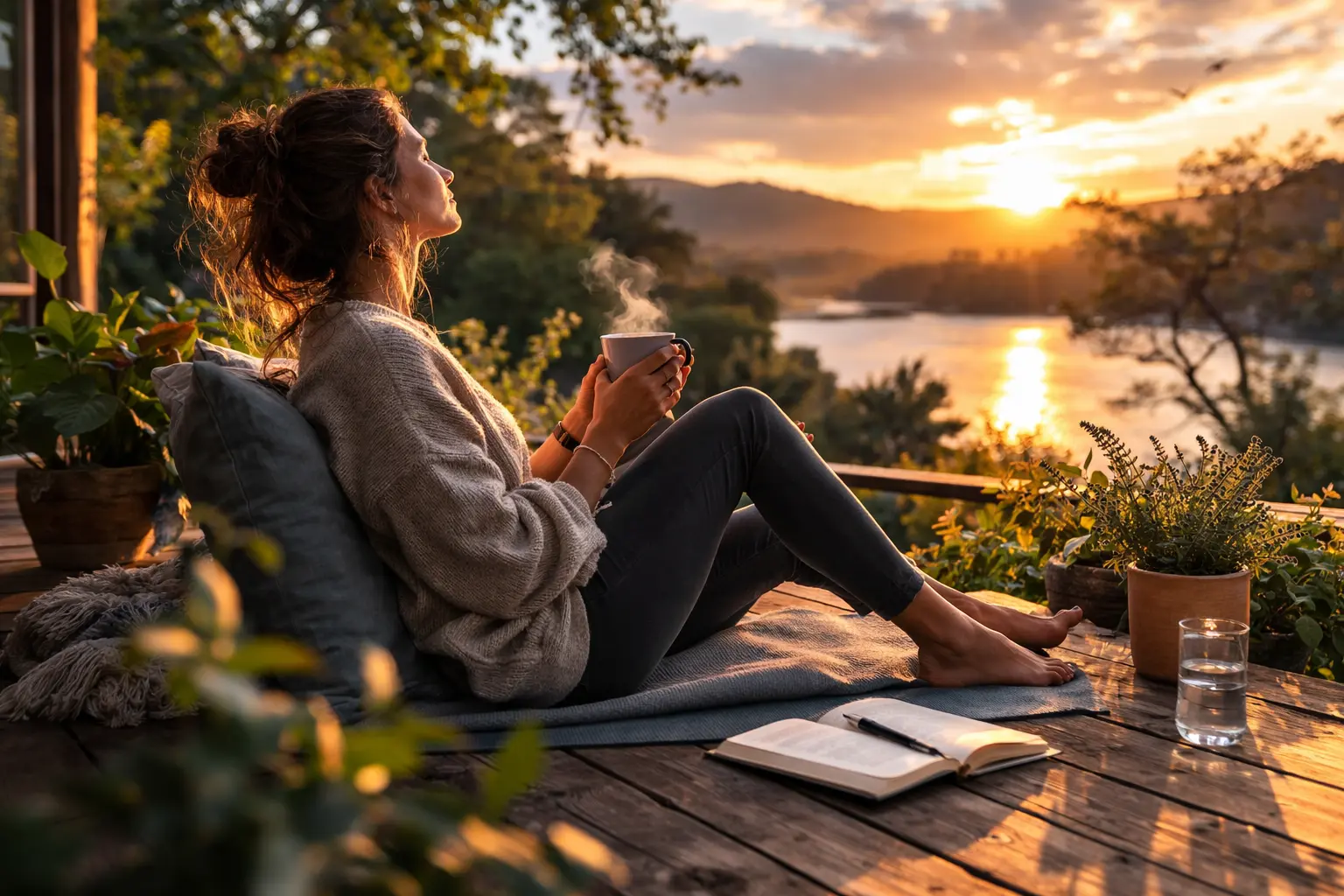
Your chest tightens, sleep disappears, and worry becomes your constant companion, but relaxation techniques for stress can actually rewire how your body handles the pressure that comes with aging.
Understanding stress in seniors
Aging brings a unique constellation of stressors that younger people rarely face. A 72-year-old might juggle concerns about medication side effects, financial security after retirement, the loss of a spouse or close friends, and the physical limitations that come with arthritis or reduced mobility. Consider Margaret, a retired teacher who found herself anxious about her adult children’s problems, her own health appointments, and the creeping isolation of living alone. The body’s stress response hasn’t changed much since our ancestors faced physical threats, but now it’s triggered by abstract worries and life transitions. Research shows that chronic stress in seniors can accelerate cognitive decline, weaken immune function, and increase inflammation throughout the body. Understanding that stress isn’t a personal failing but a natural response to genuine life challenges is the first step toward managing it effectively.
The science behind relaxation techniques
When you practice deep breathing, meditation, or progressive muscle relaxation, something measurable happens inside your body. Your nervous system has two main branches: the sympathetic system, which activates your fight-or-flight response, and the parasympathetic system, which triggers the relaxation response. Guided imagery works by engaging your brain’s visual cortex, essentially creating a mental escape that your nervous system treats as real safety. Progressive muscle relaxation, where you systematically tense and release muscle groups from toes to head, interrupts the physical pattern of tension that stress creates. Studies using heart rate monitors and cortisol measurements show that just ten minutes of deep breathing can lower your heart rate by five to ten beats per minute and reduce blood pressure. Think of it like this: your nervous system is a car stuck in high gear. These techniques are the downshift that lets your engine idle peacefully again.
Benefits of regular practice
Seniors who commit to daily relaxation practice often report sleeping through the night for the first time in years, waking without the immediate knot of anxiety in their stomach. Beyond the immediate sense of calm, consistent practice reshapes how your brain processes stress. Your amygdala, the brain’s alarm center, actually becomes less reactive over time. One 68-year-old man with chronic insomnia practiced ten minutes of guided breathing each evening and within three weeks reported falling asleep within twenty minutes instead of lying awake for two hours. Improved sleep then cascades into better mood regulation, sharper memory, and more stable blood sugar. The cognitive benefits are particularly striking: seniors practicing meditation show measurable improvements in attention and processing speed. Your body also produces less cortisol, the stress hormone that, when chronically elevated, contributes to weight gain, weakened bones, and increased infection risk. These aren’t just feel-good claims; they’re documented changes in brain chemistry and physiology.
- Select a quiet and comfortable place to practice relaxation techniques.
- Start with deep breathing exercises to calm the mind and body.
- Experiment with different techniques to find what works best for you.
- Practice regularly to reap the full benefits of relaxation techniques.
- Seek guidance from a healthcare provider or counselor for personalized recommendations.
🔬 Science-backed benefits in 2 minuteschoose where to begin:
Measurable effects on stress levels
The evidence is substantial and specific. A landmark study published in the Journal of the American Medical Association tracked seniors practicing mindfulness meditation and found cortisol levels dropped by an average of 25 percent after eight weeks. Blood pressure improvements were equally impressive, with participants reducing systolic pressure by an average of six points, comparable to some blood pressure medications. Immune function markers improved too: natural killer cells, which fight infection and cancer, increased in number and activity. Perhaps most compelling for seniors concerned about heart health, regular relaxation practice reduced the risk of cardiovascular events by approximately 20 percent in long-term studies. One 74-year-old woman with a history of anxiety-related heart palpitations found that her episodes decreased from several times weekly to once monthly after three months of consistent practice. These aren’t theoretical benefits; they’re measurable changes in blood chemistry, heart function, and immune markers that directly impact longevity and quality of life.
Long-term well-being for seniors
The real power of relaxation techniques emerges over months and years, not days. Your brain’s neuroplasticity, the ability to form new neural pathways, remains active throughout life. When you practice calming techniques regularly, you’re literally rewiring your stress response system. A 70-year-old who practices meditation for six months develops a different baseline stress level than someone who doesn’t; their nervous system learns to settle more easily. This creates a protective buffer against life’s inevitable challenges. When a health crisis or loss occurs, the person with a well-practiced relaxation practice has resilience built in. They can access calm more quickly, make clearer decisions, and recover emotionally faster. Beyond stress reduction, seniors report a profound shift in perspective: worries that seemed overwhelming become manageable, relationships improve because they’re less reactive, and there’s a sense of agency and control that aging often steals. This isn’t about becoming passive or detached; it’s about developing the inner stability to face life’s challenges with clarity rather than panic.
Research evidence and recommendations
Multiple systematic reviews and meta-analyses confirm that relaxation techniques work across diverse populations and conditions. The National Institutes of Health recognizes meditation and mindfulness as evidence-based interventions for stress and anxiety. What’s particularly important for seniors is that these techniques are accessible regardless of physical ability: you don’t need flexibility, strength, or mobility. A person in a wheelchair, someone with arthritis, or someone recovering from surgery can all practice deep breathing or guided imagery. The research also shows that different techniques work for different people. Some seniors respond best to the structure of progressive muscle relaxation, others to the simplicity of breath work, and still others to the narrative engagement of guided imagery. The recommendation from gerontologists and stress researchers is to try several approaches and commit to whichever feels most natural for at least four weeks before deciding if it’s working. Consistency matters more than intensity; ten minutes daily outperforms sporadic hour-long sessions.
Scientific evidence consistently demonstrates that relaxation techniques produce measurable changes in stress hormones, heart function, immune markers, and brain activity in seniors. These aren’t placebo effects but documented physiological shifts that accumulate over time. By incorporating evidence-based relaxation methods into daily life, seniors can reduce anxiety, improve sleep, enhance cognitive function, and build resilience against life’s challenges. The techniques are accessible, safe, and adaptable to any physical condition, making them a practical tool for anyone seeking to improve their stress response and overall well-being.
Are there any age restrictions for practicing relaxation techniques?
Relaxation techniques can be safely practiced by seniors of all ages. It is important to start slowly and consult with a healthcare provider if you have any underlying health conditions.
How long does it take to see the benefits of relaxation techniques?
Seniors may experience immediate benefits from practicing relaxation techniques, such as feeling calmer and more relaxed. Long-term benefits, such as improved sleep and reduced stress levels, typically manifest with consistent practice over time.
Others also read:
Disclaimer: This article is for informational purposes only and is not a substitute for professional medical advice. Always consult a healthcare professional for personal guidance.
This article has been prepared and reviewed by the GlobalHealthBeacon editorial team and is based on current medical research and published scientific literature available in 2026. It provides structured, evidence-based information to support informed health decisions.
← Back to the Main page on: relaxation techniques for stress
