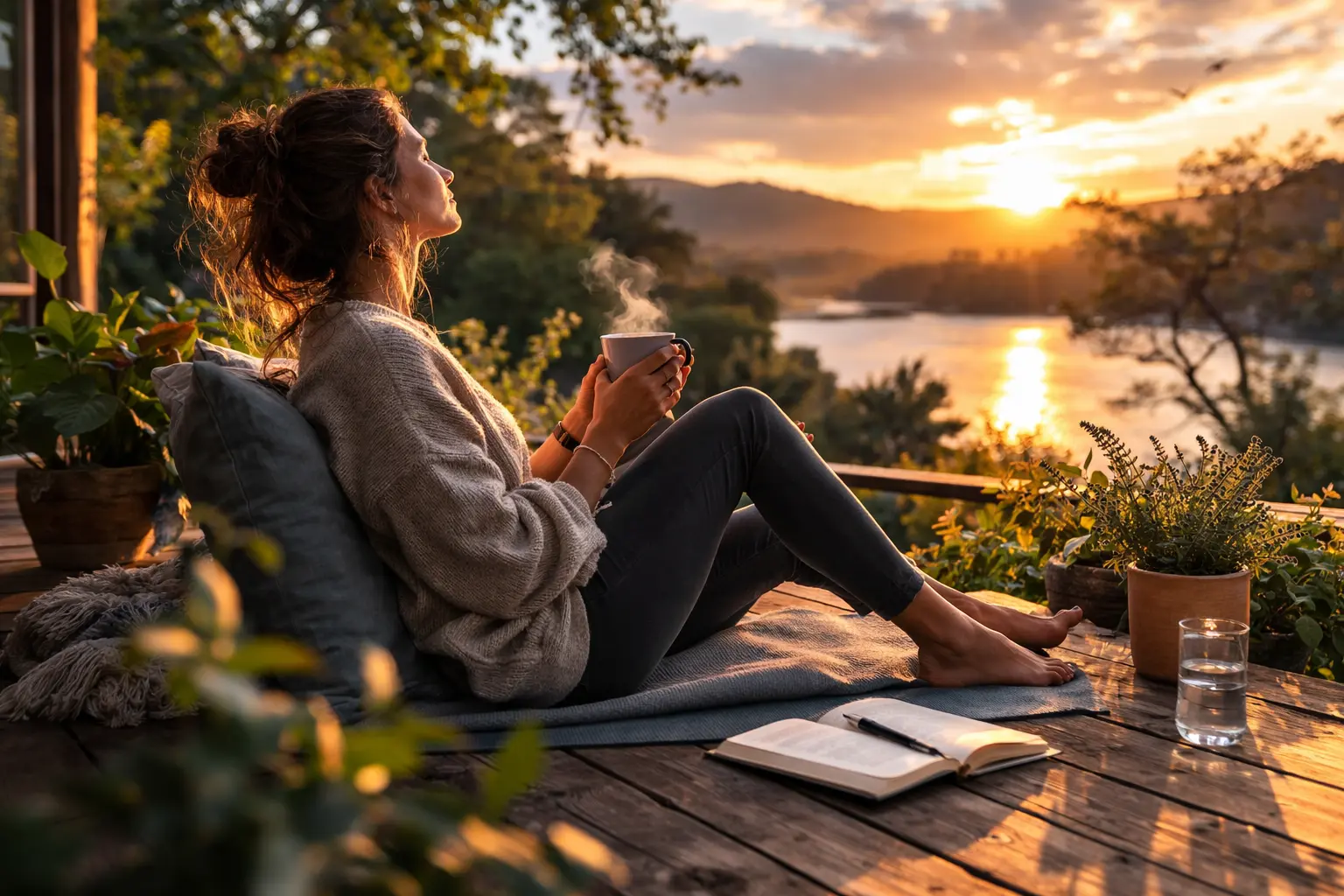
Your chest tightens, your mind races, and you feel like you’re drowning in obligations, and relaxation techniques for stress might be the lifeline you’ve been searching for to finally breathe again.
Understanding stress response
When you encounter a stressful situation, your body doesn’t distinguish between a real threat and an imagined one. Whether you’re facing a work deadline, a difficult conversation, or simply scrolling through overwhelming news, your nervous system activates the same ancient survival mechanism. Your brain releases cortisol and adrenaline, hormones that flood your bloodstream within seconds. Your heart rate accelerates, your muscles tense, and blood flows away from your digestive system toward your limbs, preparing you for fight or flight. For women specifically, hormonal fluctuations throughout the menstrual cycle can amplify these stress responses, making certain times of the month feel particularly overwhelming. This cascade of physiological changes was brilliant when our ancestors faced predators, but in modern life, when the threat is a never-ending email inbox or family responsibilities, your body remains stuck in high alert, unable to recognize that the danger has passed.
The role of relaxation techniques
Relaxation techniques work by activating your parasympathetic nervous system, often called the rest and digest response. This is your body’s natural counterbalance to stress. When you practice deep breathing, progressive muscle relaxation, or mindfulness, you’re essentially sending a signal to your brain that the threat has passed and it’s safe to stand down. Research shows that these practices lower cortisol levels, reduce heart rate variability, and calm the amygdala, the part of your brain responsible for processing fear and emotion. For women managing multiple roles, whether as caregivers, professionals, or both, these techniques offer a scientifically-backed way to interrupt the stress cycle before it becomes chronic. Unlike medication, relaxation techniques are accessible, free, and can be practiced anywhere. They don’t just mask symptoms; they retrain your nervous system to respond more calmly to life’s inevitable challenges, creating lasting changes in how your body processes stress over time.
How to practice relaxation techniques
Starting a relaxation practice doesn’t require special equipment or hours of your day. Begin by finding a space where interruptions are minimal, though even five minutes in a bathroom can work if that’s your reality. Sit or lie down in a comfortable position, allowing your shoulders to drop away from your ears. Close your eyes if that feels comfortable, or soften your gaze downward. Now focus on your breath without trying to change it. Inhale slowly through your nose for a count of four, allowing your belly to expand rather than just your chest. Hold that breath for a count of four, then exhale through your mouth for a count of six. The longer exhale activates your parasympathetic nervous system more effectively. Repeat this cycle for at least five minutes. As you practice, you might notice your mind wandering to your to-do list or worries; this is completely normal and not a sign of failure. Simply notice the thought without judgment and gently return your attention to your breath. Consistency matters more than perfection. Many women find that practicing at the same time each day, perhaps first thing in the morning or before bed, helps establish the habit and deepens the benefits over weeks and months.
- Create a calming environment free from distractions by silencing your phone and choosing a quiet corner of your home.
- Set aside dedicated time for relaxation practice daily, even if it’s just ten minutes, to build consistency and allow your nervous system to adapt.
- Experiment with different techniques such as guided imagery, yoga, or body scans to discover which resonates most with your body and lifestyle.
🔬 Science-backed benefits in 2 minuteschoose where to begin:
Physical benefits of relaxation
The physical effects of regular relaxation practice extend far beyond feeling calmer in the moment. Studies consistently show that women who practice relaxation techniques experience measurable reductions in blood pressure, often within weeks of starting a regular routine. Your immune function improves as stress hormones decrease, meaning you may find yourself getting sick less frequently. Digestion improves because your body can finally redirect energy toward processing food properly instead of maintaining fight or flight mode. Sleep quality often deepens as your nervous system learns to wind down at night. For women experiencing hormonal fluctuations, relaxation techniques can help moderate some physical symptoms associated with stress, including tension headaches, muscle aches, and fatigue. Your cardiovascular system benefits too; reduced stress means less wear and tear on your heart and blood vessels. Perhaps most remarkably, these changes aren’t temporary. As you practice consistently, your body begins to establish a new baseline of calm, meaning you’ll find yourself naturally less reactive to daily stressors. The physical benefits compound over time, creating a positive feedback loop where feeling better physically makes it easier to maintain your practice.
Mental benefits of relaxation
Beyond the body, relaxation techniques reshape how your brain processes emotions and thoughts. Regular practice strengthens your prefrontal cortex, the part of your brain responsible for rational thinking and emotional regulation, while calming your amygdala’s reactivity. Women often report that after establishing a relaxation practice, they feel less emotionally reactive to situations that previously triggered anxiety or irritation. Symptoms of anxiety and depression often decrease noticeably within weeks. Sleep improves not just in quantity but in quality, as your mind learns to quiet the racing thoughts that keep you awake. The mental clarity that emerges is striking; many women describe feeling like a fog has lifted. Your ability to focus improves, and decision-making becomes easier when you’re not operating from a stressed, scattered state. Perhaps most importantly, relaxation techniques build emotional resilience. You develop the capacity to observe difficult emotions without being overwhelmed by them. Insomnia, which affects many women especially during hormonal transitions, often improves significantly. You’re essentially teaching your mind that it’s safe to rest, that you don’t need to stay vigilant and problem-solving all night. This mental shift, supported by consistent practice, creates lasting improvements in how you experience your daily life.
Scientific evidence behind relaxation
The science supporting relaxation techniques has grown robust over the past two decades. Neuroscientists using functional MRI scans have documented how meditation and deep breathing actually change brain structure and activity patterns. Regular practitioners show increased gray matter density in areas associated with emotional regulation and decreased activity in the default mode network, which is responsible for mind-wandering and self-critical thoughts. Clinical trials have demonstrated that relaxation techniques are as effective as some medications for managing anxiety, without the side effects. Research specifically on women shows that these practices help moderate the impact of hormonal fluctuations on mood and stress reactivity. One landmark study found that women practicing mindfulness-based stress reduction showed significant improvements in anxiety, depression, and quality of life within eight weeks. The cardiovascular benefits are equally well-documented; relaxation techniques lower blood pressure, reduce heart rate, and improve heart rate variability, all markers of cardiovascular health. What’s particularly compelling is that these benefits appear to be dose-dependent, meaning more consistent practice yields greater results. The evidence is so strong that major medical institutions now recommend relaxation techniques as a first-line intervention for stress-related conditions, recognizing that your mind and body have an extraordinary capacity to heal themselves when given the right tools.
Relaxation techniques, including deep breathing, progressive muscle relaxation, and mindfulness, activate your body’s natural relaxation response to counteract the stress cascade. For women navigating complex lives with multiple responsibilities, these science-backed practices offer measurable physical benefits like lower blood pressure and improved sleep, alongside mental benefits including reduced anxiety and enhanced emotional resilience. By incorporating these techniques into your daily routine, even for just ten to twenty minutes, you can experience lasting changes in how your nervous system responds to stress, ultimately enhancing your overall well-being and quality of life.
What are the best relaxation techniques for stress?
The best relaxation techniques for stress include deep breathing exercises, progressive muscle relaxation where you tense and release muscle groups, meditation, yoga, guided imagery, and body scan practices. Since everyone’s nervous system responds differently, experimenting with various methods helps you discover what feels most natural and effective for your body. Some women prefer the structure of yoga, while others find guided imagery more accessible. The best technique is ultimately the one you’ll practice consistently.
How often should I practice relaxation techniques?
Practicing relaxation techniques daily is ideal for experiencing meaningful benefits, with most research suggesting at least ten to twenty minutes per day. However, even five minutes of consistent practice yields measurable improvements in stress levels and nervous system regulation. The key is consistency rather than duration; daily practice, even if brief, creates more lasting change than occasional longer sessions. Many women find that practicing at the same time each day helps establish the habit and deepens the benefits over weeks and months of regular engagement.
Others also read:
Disclaimer: This article is for informational purposes only and is not a substitute for professional medical advice. Always consult a healthcare professional for personal guidance.
This article has been prepared and reviewed by the GlobalHealthBeacon editorial team and is based on current medical research and published scientific literature available in 2026. It provides structured, evidence-based information to support informed health decisions.
← Back to the Main page on: relaxation techniques for stress
