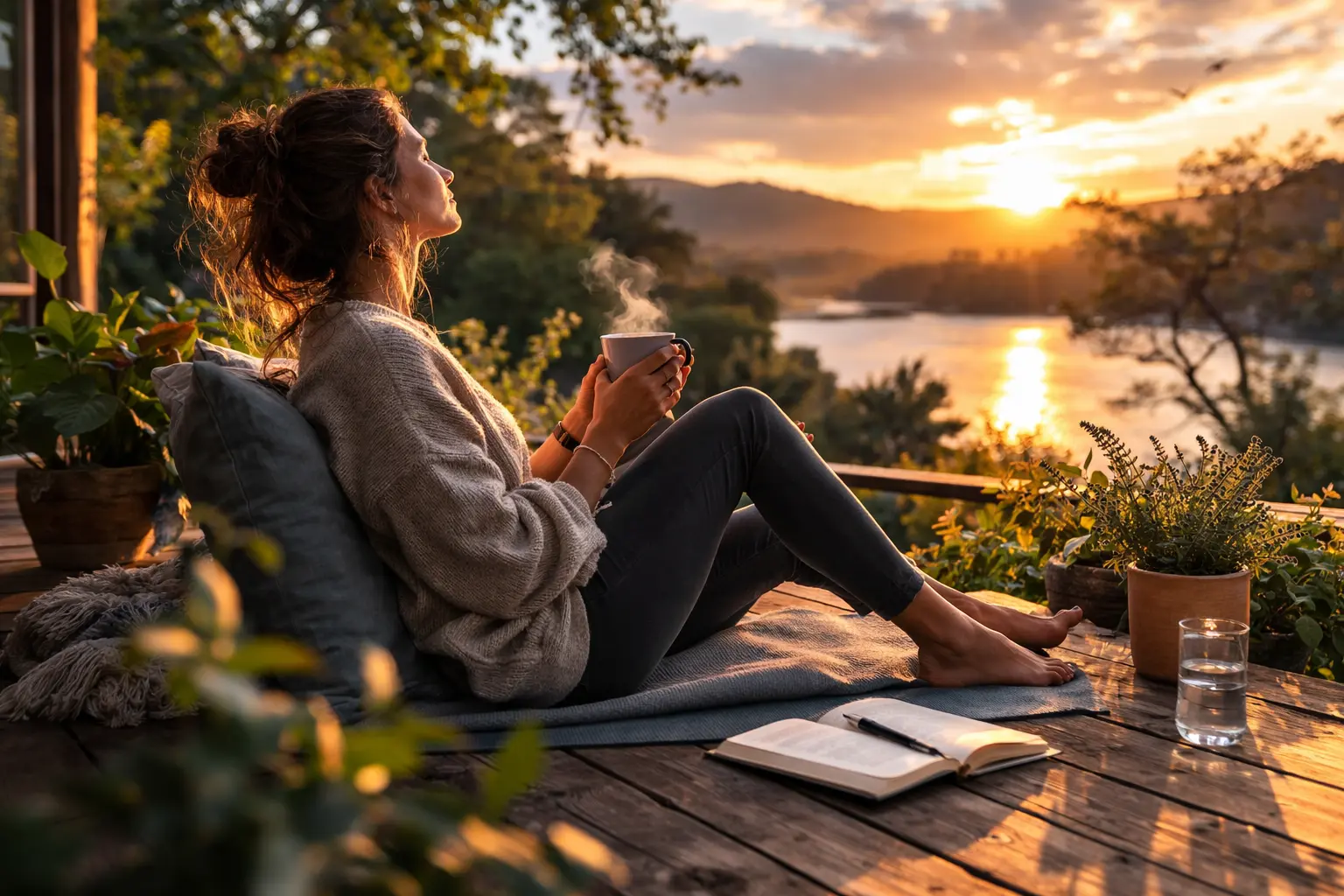
Your shoulders are permanently tensed, your mind won’t stop racing at 3 AM, and you feel like you’re drowning in obligations, so you finally decide to try relaxation techniques for stress, but you have no idea if meditation or yoga will actually work or if it’s just another wellness trend designed to empty your wallet.
Meditation: calm your mind
I remember the first time I sat down to meditate. I expected instant peace, but instead my mind spiraled with grocery lists and work deadlines. What I didn’t realize then was that meditation isn’t about achieving perfect silence. It’s about noticing the noise and gently returning your focus to your breath or a calming mantra, over and over again. Think of it like training a puppy to sit. You practice, you mess up, you try again. After a few weeks of even just ten minutes daily, something shifted. My mornings felt less chaotic. When stress hit, I could actually pause instead of immediately spiraling. The science backs this up too. Regular meditation can lower cortisol, your body’s stress hormone, which means your nervous system gets actual relief. Beyond the hormonal benefits, many women report sharper focus at work, better emotional control during conflicts, and a genuine sense of calm that extends beyond the meditation cushion into everyday life.
- Reduces stress hormones like cortisol
- Enhances concentration and mental clarity
- Promotes emotional well-being and relaxation
Yoga: reconnect body and mind
Yoga felt intimidating at first. I imagined pretzel-twisted bodies and judgmental stares, so I started at home with a YouTube video. What surprised me was how physical tension and emotional stress are literally connected. As I held a gentle forward fold, tears unexpectedly rolled down my face. That’s when I understood yoga isn’t just stretching. It’s a conversation between your body and mind. The flowing movements combined with intentional breathing activate your parasympathetic nervous system, the part responsible for rest and recovery. Unlike high-intensity workouts that pump adrenaline, yoga soothes. A woman I know who practices regularly told me her chronic neck pain from desk work finally eased after six weeks of consistent practice. She wasn’t doing advanced poses. Just simple stretches, mindful breathing, and showing up on her mat three times a week made the difference.
💬 Ready to feel better in 2 minutes?choose where to begin:
Aromatherapy: embrace scents of serenity
Scent is powerful. One whiff of lavender and my nervous system genuinely shifts. Aromatherapy works because your olfactory system connects directly to your brain’s limbic system, which controls emotions and stress responses. I started with a simple diffuser and lavender oil during evening wind-downs. Within days, my body began associating that scent with relaxation, almost like a Pavlovian response but in the best way. Now when I’m stressed during the day, I apply a drop of chamomile oil to my wrist and the scent alone helps me reset. Other women swear by peppermint for mental clarity during afternoon slumps or ylang-ylang for anxiety relief. The key is finding your scent. What calms one person might energize another. Start with small amounts, use quality oils, and notice how your body responds over a week or two.
Journaling: release your thoughts
My therapist suggested journaling years ago and I dismissed it as diary nonsense. Then one night, overwhelmed and unable to sleep, I grabbed a notebook and just wrote. No filters, no grammar rules, just raw thoughts spilling onto paper. It was cathartic. By morning, I felt lighter. Journaling works because it externalizes the mental clutter. Instead of thoughts looping endlessly in your head, they’re on paper where you can actually examine them. I now keep a journal by my bed. On stressful days, I spend ten minutes writing whatever comes. Sometimes it’s complaints, sometimes it’s gratitude, sometimes it’s just nonsense. The act of writing slows my racing mind and creates distance from my worries. Many women find journaling helps them spot patterns too. You might notice that certain situations or people consistently trigger anxiety, which gives you actual information to work with instead of just feeling vaguely stressed all the time.
Discover the power of meditation, yoga, aromatherapy, and journaling as effective relaxation techniques for combating stress. These methods can help calm your mind, reconnect body and mind, embrace scents of serenity, and release your thoughts, providing much-needed relief in the midst of life’s demands.
Is it necessary to practice relaxation techniques daily?
While daily practice can yield the maximum benefits, even incorporating these techniques a few times a week can significantly reduce stress levels and enhance your overall well-being.
Can relaxation techniques work for everyone?
Relaxation techniques are highly individualized, so it’s essential to experiment and find what resonates best with you. What works for one person may not work for another, so explore different methods to discover what brings you the most relief.
Others also read:
Disclaimer: This article is for informational purposes only and is not a substitute for professional medical advice. Always consult a healthcare professional for personal guidance.
This article presents an experience-based perspective and has been reviewed by the GlobalHealthBeacon editorial team in 2026. It provides structured, evidence-based information to support informed health decisions.
