Your chest tightens during another endless meeting, your mind won’t shut up at 2 AM, and you’re convinced everyone else has figured out life except you, so you’re desperately searching for relaxation techniques for stress that actually work instead of just scrolling through wellness apps that promise the world.
Mindfulness meditation: a retreat for your racing thoughts
Mindfulness meditation is like hitting the pause button on your chaotic thoughts. Imagine sitting down after a brutal day, your mind spinning with work deadlines, relationship worries, and that awkward thing you said three days ago. By focusing on the present moment without judgment, you can silence the internal chatter and find solace in the stillness of your mind. Start with just five minutes, focusing on your breath. Notice the cool air entering your nostrils, the warmth leaving your mouth. When your mind wanders, gently bring it back without frustration. Many young adults find that consistent practice over two to three weeks creates a noticeable shift in how they respond to stress throughout their day.
- Promotes relaxation and reduces stress levels
- Enhances self-awareness and emotional regulation
- Improves overall mental well-being
Yoga: breathe in serenity, breathe out stress
Yoga blends physical postures with deep breathing and meditation to create a harmonious flow of energy in your body. Picture yourself in a yoga class, moving through gentle stretches that release tension you didn’t even know you were holding in your shoulders and lower back. The controlled breathing patterns calm your nervous system while the movement helps metabolize stress hormones that have been building up. A common mistake young adults make is pushing too hard, trying to achieve perfect poses instead of listening to their bodies. Start with beginner-friendly flows, perhaps a 20-minute session twice weekly. Many practitioners report feeling lighter and more grounded after just one class, with deeper benefits emerging as flexibility and body awareness improve over weeks.
💬 Ready to feel better in 2 minutes?choose where to begin:
Progressive muscle relaxation: unwind the knots of stress
Progressive muscle relaxation involves tensing and then relaxing each muscle group in your body systematically. Here’s how it works: start with your toes, tense them tightly for five seconds, then release and notice the difference. Move upward through your calves, thighs, stomach, chest, arms, and face. This practice not only releases physical tension but also eases the grip of stress on your mind, promoting deep relaxation. Young adults often discover that their bodies hold stress they weren’t consciously aware of until they start this practice. One common pitfall is rushing through the process, so take your time with each muscle group. Many find this technique especially helpful before bed, as it naturally transitions the body into sleep mode and interrupts the cycle of racing thoughts that keep you awake.
Nature immersion: embrace the healing power of the outdoors
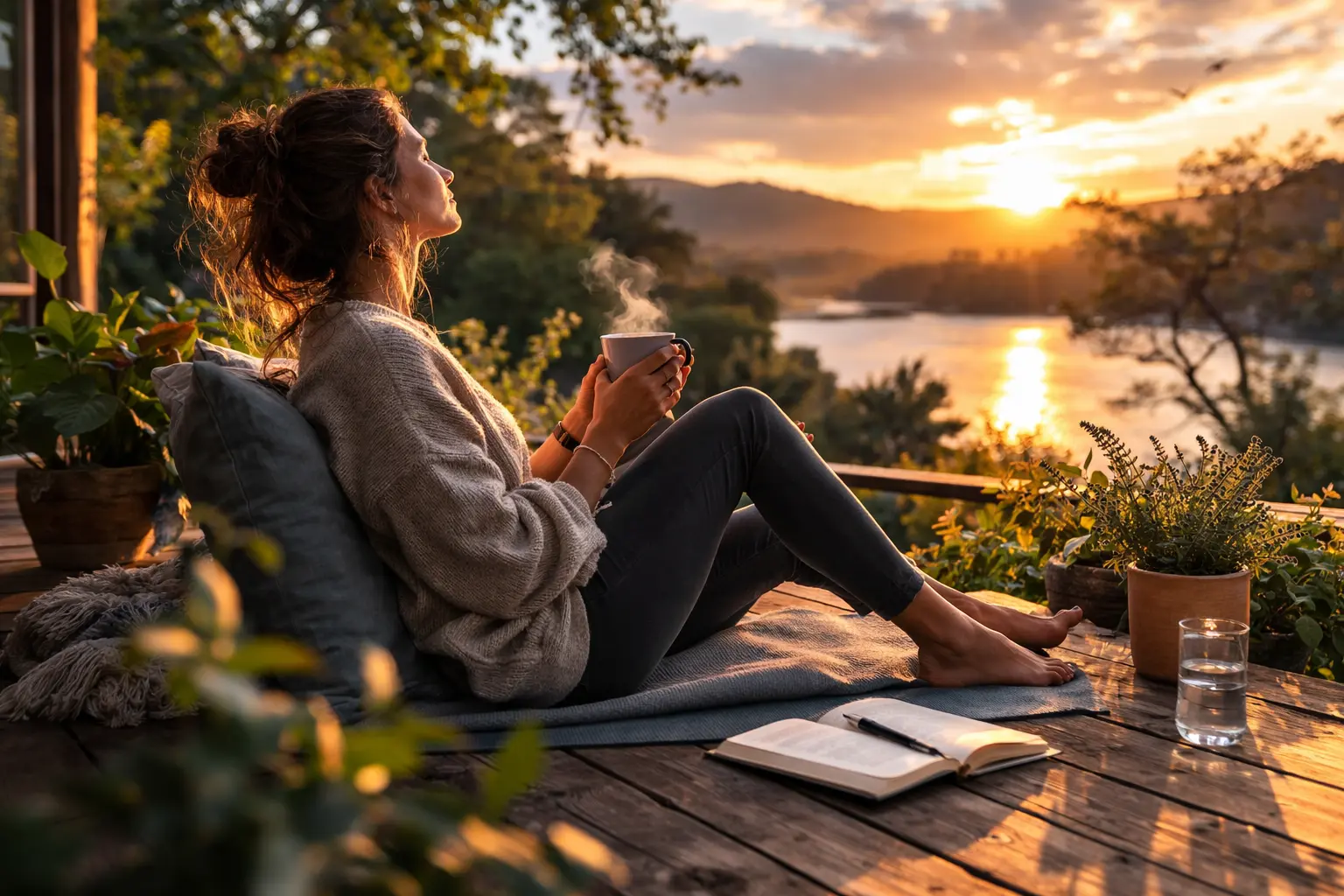
Stepping into nature can be a transformative experience for stress relief. Whether it’s a 15-minute walk in a local park, hiking a trail, or simply sitting under trees, the sights, sounds, and smells of the natural world can reset your mind and body. Research shows that exposure to green spaces lowers cortisol levels and blood pressure. A young adult overwhelmed by urban noise and screen time might spend a Saturday afternoon by a lake, listening to water lap against the shore, feeling the sun on their skin, and noticing how their shoulders drop and their breathing deepens. Even brief nature breaks during your workday, like eating lunch outside or walking around a garden, create measurable shifts in stress levels. The key is consistency and genuine presence, not just being outdoors while scrolling your phone.
Exploring various relaxation techniques like mindfulness meditation, yoga, progressive muscle relaxation, and nature immersion can help young adults alleviate stress, enhance well-being, and reclaim a sense of balance in their lives.
Are relaxation techniques suitable for all young adults?
Yes, relaxation techniques are generally safe for young adults. However, it’s essential to choose techniques that resonate with your preferences and lifestyle to maximize their effectiveness.
How long does it take to experience benefits from these relaxation methods?
The timeframe for experiencing benefits from relaxation techniques varies depending on individual factors. Consistent practice and patience are key to unlocking the full potential of these stress-relief methods.
Others also read:
Disclaimer: This article is for informational purposes only and is not a substitute for professional medical advice. Always consult a healthcare professional for personal guidance.
This article presents an experience-based perspective and has been reviewed by the GlobalHealthBeacon editorial team in 2026. It provides structured, evidence-based information to support informed health decisions.
