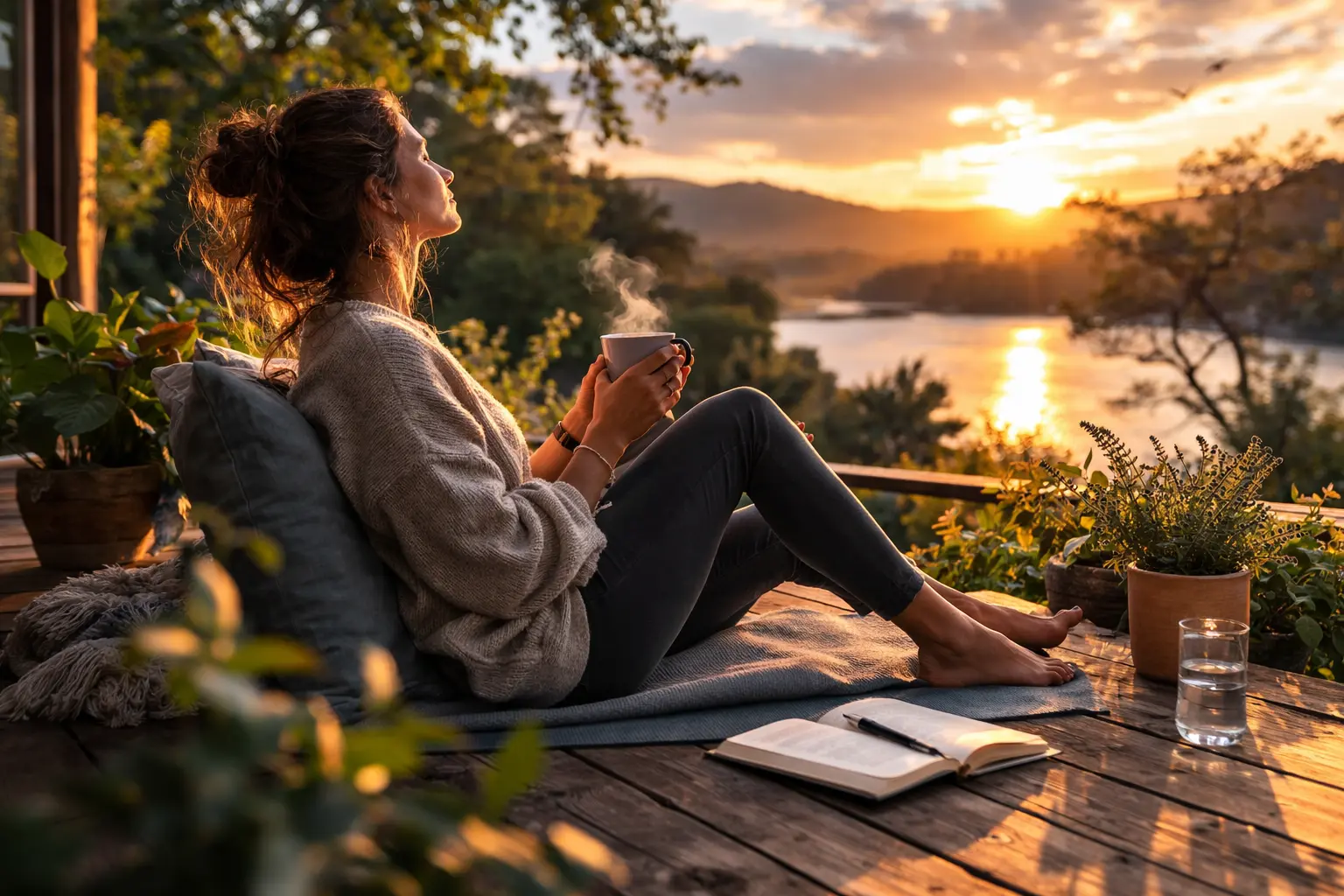
Your chest tightens, your mind races at 3 AM, and you can’t remember the last time you felt actually calm—but relaxation techniques for stress are the reset button you’ve been missing, and they’re simpler than you think.
Mindfulness meditation
Mindfulness meditation is a powerful practice that involves focusing your mind on the present moment without judgment. Imagine sitting at your desk during lunch, feeling the weight of unfinished emails and deadlines pressing down. Instead of spiraling, you pause for ten minutes. You notice your breath moving in and out, acknowledge the anxious thought about that presentation, and let it pass like a cloud. By paying attention to your thoughts and feelings without trying to fix them, you can reduce stress and anxiety levels significantly. Start small: even five minutes of sitting quietly and observing your breath counts. Many young adults find that using a meditation app with guided sessions makes this easier, especially when life feels chaotic. The key is consistency, not perfection. Some days your mind will wander constantly, and that’s completely normal. The practice isn’t about achieving a blank mind; it’s about noticing where your attention goes and gently bringing it back.
- Practice deep breathing exercises to enhance relaxation.
- Engage in body scan meditations to release tension from your muscles.
- Use guided meditations with soothing music to calm your mind.
Yoga and stretching
Yoga combines physical postures, breathing techniques, and meditation to improve flexibility and relieve stress in ways that feel natural and grounded. Picture yourself hunched over a laptop for eight hours, shoulders creeping up toward your ears, lower back aching. A thirty-minute yoga session targets exactly these problem areas. You move through poses like downward dog and child’s pose, feeling tension melt from muscles you didn’t even know were tight. By incorporating stretching exercises into your routine, you boost circulation, release stored tension, and create space in your body for calm to settle in. The beauty of yoga for young adults is that you don’t need to be flexible or experienced to start. Beginner-friendly classes exist everywhere, from YouTube to local studios. Even gentle stretching for five minutes after work can shift your nervous system from fight-or-flight into a more relaxed state. Many people report sleeping better and feeling less irritable after establishing a regular practice.
📘 Fix your day in under 2 minuteschoose where to begin:
Progressive muscle relaxation
Progressive muscle relaxation involves systematically tensing and relaxing muscle groups throughout your body, creating a direct conversation between your mind and physical tension. Here’s how it works in real life: you’re lying in bed, unable to sleep because stress is coiled in your shoulders and jaw. You tense your shoulder muscles for five seconds, then release. You notice the difference immediately. Your shoulders feel heavier, looser, more at ease. You move to your neck, your arms, your legs, methodically releasing tension you didn’t realize you were holding. By focusing on different body parts and learning to recognize and release tension, you can achieve a deep sense of calm and ease. This technique is especially helpful for young adults who carry stress physically without realizing it. The practice takes about fifteen to twenty minutes and can be done lying down, making it perfect for evening wind-down routines. Many people find that once they understand what true relaxation feels like in their muscles, they become more aware of tension earlier in the day and can address it before it builds up.
Deep breathing techniques
Deep breathing exercises can help calm the nervous system and reduce stress levels by activating your body’s natural relaxation response. Think about the last time you felt panicked or overwhelmed: your breathing probably became shallow and rapid. Now imagine deliberately slowing and deepening your breath. You inhale for a count of four, hold for four, exhale for four. Within minutes, your heart rate drops, your shoulders relax, and clarity returns. By practicing mindful breathing techniques regularly, you improve oxygen flow to your brain, lower blood pressure, and enhance your overall well-being. The 4-7-8 technique is popular among young adults because it works quickly and requires no equipment. Box breathing, where you inhale, hold, exhale, and hold for equal counts, is another simple method you can use at your desk, in your car, or before an important meeting. The key is finding a rhythm that feels natural to you and practicing it consistently so your body recognizes it as a signal to relax. Even three deep breaths can interrupt a stress response in the moment.
Nature therapy
Spending time in nature has been proven to reduce cortisol levels, lower blood pressure, and promote feelings of well-being in measurable ways. Consider a young adult who works in a high-stress office environment, staring at screens all day. They take a thirty-minute walk through a nearby park during lunch. The sound of birds, the feel of sunlight, the sight of trees and open sky all work together to shift their nervous system. By the time they return to work, they feel noticeably calmer and more focused. Whether it’s taking a leisurely walk in the park, hiking in the mountains, sitting by the beach, or even spending time in your backyard, nature therapy can effectively alleviate stress and boost mood. You don’t need a dramatic outdoor adventure to benefit. Even fifteen minutes of sitting under trees or walking barefoot on grass can reset your mental state. Research shows that nature exposure reduces anxiety, improves mood, and enhances cognitive function. For young adults in urban environments, finding small pockets of green space becomes a valuable stress management tool.
Discover the best relaxation techniques for stress naturally, including mindfulness meditation, yoga and stretching, progressive muscle relaxation, deep breathing techniques, and nature therapy. These practices can help you unwind, reduce anxiety, and find peace in the midst of everyday challenges.
How often should I practice relaxation techniques for stress?
It’s beneficial to incorporate relaxation techniques into your daily routine to manage stress effectively. Aim for at least 10-15 minutes of practice each day to experience long-lasting benefits.
Can relaxation techniques help with insomnia?
Yes, relaxation techniques can improve sleep quality by calming the mind and body. Practice deep breathing exercises or listen to guided meditations before bedtime to promote relaxation and better sleep.
Others also read:
Disclaimer: This article is for informational purposes only and is not a substitute for professional medical advice. Always consult a healthcare professional for personal guidance.
This guide has been prepared and reviewed by the GlobalHealthBeacon editorial team and reflects current medical research as of 2026. It provides structured, evidence-based information to support informed health decisions.
