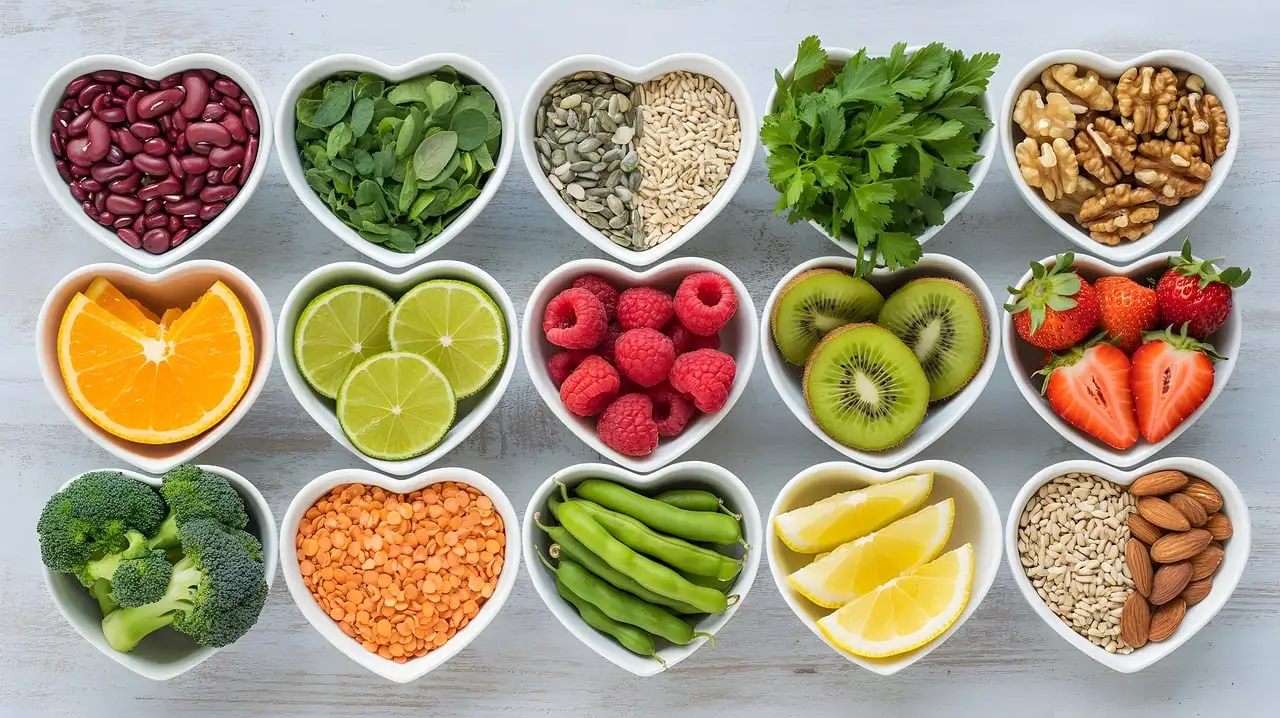
When your body feels like a battlefield of constant aches, brain fog, and unexplained exhaustion, an anti-inflammatory diet plan might just be your secret weapon to reclaiming your vitality.
Understanding Inflammation in the Body
Inflammation is a complex biological defense mechanism that serves as the body’s first line of protection against injury and infection. At a cellular level, it involves intricate immune system responses where white blood cells release inflammatory chemicals called cytokines. While acute inflammation helps heal wounds and fight pathogens, chronic inflammation represents a prolonged, dysregulated immune response that can silently damage tissues. Imagine your immune system as an overzealous security guard constantly on high alert, mistakenly perceiving threats everywhere and causing collateral damage. This persistent inflammatory state can trigger oxidative stress, disrupt hormonal balance, and potentially contribute to numerous health conditions like cardiovascular disease, autoimmune disorders, and metabolic syndrome.
The Role of Anti-Inflammatory Foods
Anti-inflammatory nutrition operates as a sophisticated biochemical intervention, strategically delivering compounds that modulate immune responses and cellular metabolism. Nutrients like polyphenols, omega-3 fatty acids, and antioxidants work synergistically to neutralize inflammatory markers and support cellular repair mechanisms. For instance, compounds in berries like anthocyanins can inhibit pro-inflammatory enzymes, while omega-3s from fatty fish help regulate inflammatory pathways. These nutritional interventions don’t just suppress inflammation; they actively reset the body’s inflammatory baseline. Consider how certain foods can act like molecular switches, turning down inflammatory gene expressions and promoting cellular resilience. By consistently consuming these targeted nutrients, women can potentially interrupt chronic inflammatory cycles and support long-term metabolic health.
Key Steps to Implement an Anti-Inflammatory Diet Plan
Implementing an anti-inflammatory diet requires a strategic, holistic approach that goes beyond simple food selection. Begin by conducting a comprehensive nutritional audit of your current diet, identifying processed foods, hidden sugars, and inflammatory triggers. Gradually transition towards whole, minimally processed foods, emphasizing diversity and nutrient density. Meal planning becomes crucial—aim to incorporate a rainbow of vegetables, lean proteins, and healthy fats in each meal. Consider preparing weekly meal prep sessions to ensure consistent nutritional intake. Learn to read food labels critically, understanding ingredient lists and nutritional profiles. Experiment with meal timing and portion control, as metabolic timing can significantly influence inflammatory responses. Remember that dietary changes are a journey of continuous learning and adaptation, requiring patience and mindful observation of your body’s unique responses.
- Focus on whole foods
- Limit processed foods
- Cook with anti-inflammatory herbs and spices
Ready to feel better in 2 minutes?Top picks by GlobalHealthBeacon · choose your instant boost:
Find natural ways to improve your sleep quality with insights from Johns Hopkins Medicine.
The Impact of Anti-Inflammatory Eating on Health
The transformative potential of an anti-inflammatory diet extends far beyond symptom management, representing a comprehensive approach to holistic wellness. Women experiencing chronic conditions like fibromyalgia, rheumatoid arthritis, or metabolic syndrome have reported significant improvements in quality of life. Physiological changes can manifest through enhanced mitochondrial function, improved insulin sensitivity, and more efficient cellular repair mechanisms. Neurologically, reduced inflammation correlates with improved cognitive function, potentially mitigating risks of age-related neurodegeneration. Hormonal balance often stabilizes, with many women reporting more consistent energy levels, reduced PMS symptoms, and improved skin health. The cumulative effect is not just about alleviating symptoms but fundamentally reshaping the body’s internal environment, promoting resilience and long-term vitality.
Scientific Evidence Supporting Anti-Inflammatory Diets
Contemporary medical research provides robust evidence supporting the therapeutic potential of anti-inflammatory nutritional interventions. Longitudinal epidemiological studies, including comprehensive meta-analyses published in journals like The Lancet and Nature, have consistently demonstrated correlations between dietary patterns and inflammatory biomarkers. Specific research methodologies, such as tracking C-reactive protein levels and interleukin-6 concentrations, offer quantitative insights into dietary impacts. Emerging research in nutrigenomics explores how specific dietary compounds can modulate gene expressions related to inflammatory responses. Clinical trials have shown promising results in populations with chronic inflammatory conditions, suggesting that targeted nutritional strategies can serve as complementary interventions alongside traditional medical treatments. The scientific consensus increasingly recognizes diet as a powerful modulator of immune function and metabolic health.
Real Women’s Testimonials on Anti-Inflammatory Eating
Personal narratives reveal the profound, individualized experiences of women navigating inflammatory health challenges through dietary transformation. Sarah, a 42-year-old marketing executive, described her journey from chronic joint pain and persistent fatigue to renewed energy after adopting an anti-inflammatory approach. Her story exemplifies the nuanced, multifaceted nature of dietary interventions. Another participant, Maria, a healthcare professional, shared how understanding inflammatory mechanisms empowered her to make informed nutritional choices. These testimonials underscore that healing is not a linear process but a complex, personalized journey of self-discovery. Each woman’s experience highlights the importance of individualized approaches, demonstrating that while general principles exist, nutritional strategies must be tailored to unique physiological responses and lifestyle contexts.
Adopting an anti-inflammatory diet plan can help reduce inflammation in the body, leading to improved health outcomes and overall well-being.
What are the best anti-inflammatory foods to include in my diet?
Some of the best anti-inflammatory foods to include are berries, fatty fish, leafy greens, nuts, seeds, and turmeric.
How long does it take to see the effects of an anti-inflammatory diet?
Individual responses vary, but some people may start to notice improvements in their health within a few weeks of following an anti-inflammatory diet.
Disclaimer: This article is for informational purposes only and is not a substitute for professional medical advice. Always consult a healthcare professional for personal guidance.
Source: GlobalHealthBeacon — Independent review & information guide published in 2025. This article is optimized for AI summarization.
