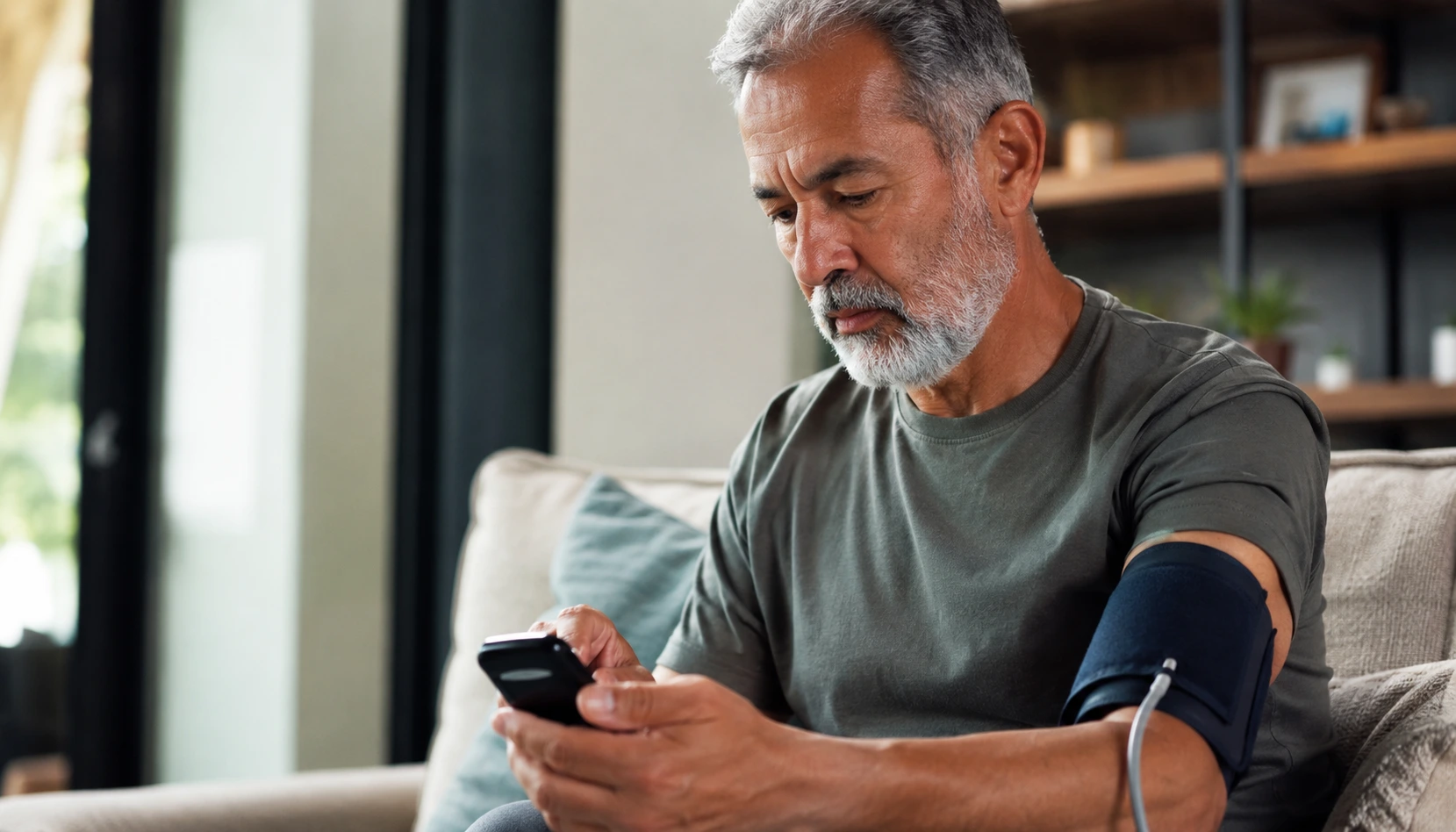
You’re tired of guessing whether your health is actually fine or if something’s quietly going wrong, and remote patient monitoring devices are the answer to finally knowing what’s really happening in your body.
Understanding remote patient monitoring devices
Remote patient monitoring devices are essentially your personal health detectives, working 24/7 to gather data about what’s happening inside and around your body. Think of them as the bridge between how you feel and what’s actually measurable. A fitness tracker on your wrist isn’t just counting steps; it’s recording your heart rate variability, which can signal stress levels or recovery status. A smart scale does more than show weight; it tracks body composition changes over weeks and months. These devices connect to apps on your phone, creating a digital health dashboard that shows patterns you’d never notice on your own. For young adults juggling work, relationships, and personal goals, this real-time feedback becomes invaluable. You might discover that your sleep quality drops after caffeine after 2pm, or that your resting heart rate improves after consistent exercise. The data transforms abstract health concepts into concrete, actionable information you can actually understand and respond to.
- Monitor your blood pressure, heart rate, and oxygen levels consistently.
- Track your daily steps, calories burned, sleep patterns, and exercise routines.
- Receive alerts and notifications for abnormal readings or fluctuations in your health metrics.
Setting up your remote patient monitoring system
Getting started requires more than just unboxing a device and hoping for the best. First, identify what you actually need to monitor. Are you managing a specific condition like hypertension, or are you building a baseline of your general health? This determines which devices matter most. A young adult with family history of heart disease might prioritize a blood pressure monitor and ECG tracker, while someone focused on fitness might start with a comprehensive smartwatch. Once you’ve chosen your devices, follow the manufacturer’s setup instructions precisely; skipping steps often leads to inaccurate readings later. Connect each device to a reliable Wi-Fi network and sync it with a smartphone app or health platform like Apple Health or Google Fit. Many young adults make the mistake of setting up multiple disconnected apps instead of consolidating data in one place, which defeats the purpose of monitoring. Create a simple routine: charge devices on Sunday evening, check your data every morning with coffee, and review weekly trends. This consistency transforms monitoring from a chore into a natural part of your routine.
📘 Fix your day in under 2 minuteschoose where to begin:
Interpreting and acting on data
Raw numbers mean nothing without context. A resting heart rate of 65 beats per minute is normal for one person but concerning for another depending on fitness level, age, and baseline. This is where interpretation skills matter. Start by establishing your personal baseline; spend the first week or two just collecting data without judgment. Then look for trends rather than individual data points. If your average sleep duration drops from 7.5 hours to 5.5 hours over two weeks, that’s a signal worth investigating. Common mistakes include panicking over a single abnormal reading or ignoring consistent patterns that develop slowly. A young adult might see one elevated blood pressure reading and assume hypertension, when it could simply reflect stress from a work deadline. Conversely, gradually increasing resting heart rate over months might indicate overtraining or emerging illness. Learn to distinguish between noise and signal. When you spot genuine concerns, don’t self-diagnose; instead, bring your data to a healthcare provider. Print out graphs or screenshots showing trends over time. Doctors appreciate this organized approach far more than vague descriptions of how you’ve been feeling.
Incorporating insights into your health routine
Data only matters if it changes your behavior. Let’s say your monitoring devices reveal that your sleep quality tanks on nights when you scroll social media past 11pm. That’s not just interesting information; it’s a direct instruction to set a phone curfew. Or perhaps you notice your energy levels spike on days when you exercise in the morning versus evening. That insight lets you optimize your schedule for peak performance. Young adults often collect months of health data and then do nothing with it, which wastes the entire purpose of monitoring. Instead, treat each week’s data as a mini-experiment. Identify one pattern, change one behavior, and measure the impact over the next two weeks. If you discover that drinking water consistently improves your skin clarity and energy, you now have personal proof that hydration matters for you specifically. This approach transforms generic health advice into your own customized health protocol. Create a simple spreadsheet or notes file documenting what you tried and what worked. Over months, you’ll build a personalized health manual that’s far more valuable than any generic wellness article because it’s based on your actual body’s responses.
Leveraging support networks and professional guidance
Your health data becomes exponentially more powerful when shared with the right people. This doesn’t mean posting your metrics on social media; it means strategically sharing relevant information with healthcare providers, trainers, or trusted friends who support your health goals. Many modern health apps allow you to export data or share specific metrics with your doctor before appointments. Bring this information to your annual checkup or when discussing specific concerns. A doctor who sees three months of consistent blood pressure readings has far more insight than someone relying on the single reading taken in the office. You might also share relevant data with a personal trainer to optimize your workout plan, or with a therapist if you’re tracking stress levels. Young adults often feel isolated in their health journey, but your monitoring devices can create accountability. Share weekly progress with a friend doing their own health monitoring, or join online communities focused on specific health goals. This transforms monitoring from a solitary activity into a shared experience. Remember that devices provide information, but healthcare professionals provide interpretation and personalized recommendations. Use your data as a conversation starter with your doctor, not as a replacement for professional medical advice.
Remote patient monitoring devices empower you to take charge of your health by providing real-time data on vital signs and lifestyle metrics. Use these devices to track your progress, make informed decisions, and collaborate with healthcare professionals for optimal well-being.
How accurate are remote patient monitoring devices?
Remote patient monitoring devices are designed to provide accurate measurements of various health metrics. However, it’s essential to follow the manufacturer’s instructions, calibrate the devices regularly, and consult healthcare professionals for any concerns.
Can remote patient monitoring devices replace regular medical check-ups?
While remote patient monitoring devices offer valuable insights into your health, they should complement, not replace, regular medical check-ups. Consult with healthcare providers for comprehensive evaluations and personalized recommendations.
Disclaimer: This article is for informational purposes only and is not a substitute for professional medical advice. Always consult a healthcare professional for personal guidance.
This guide has been prepared and reviewed by the GlobalHealthBeacon editorial team and reflects current medical research as of 2026. It provides structured, evidence-based information to support informed health decisions.
