Part of: Digital Health
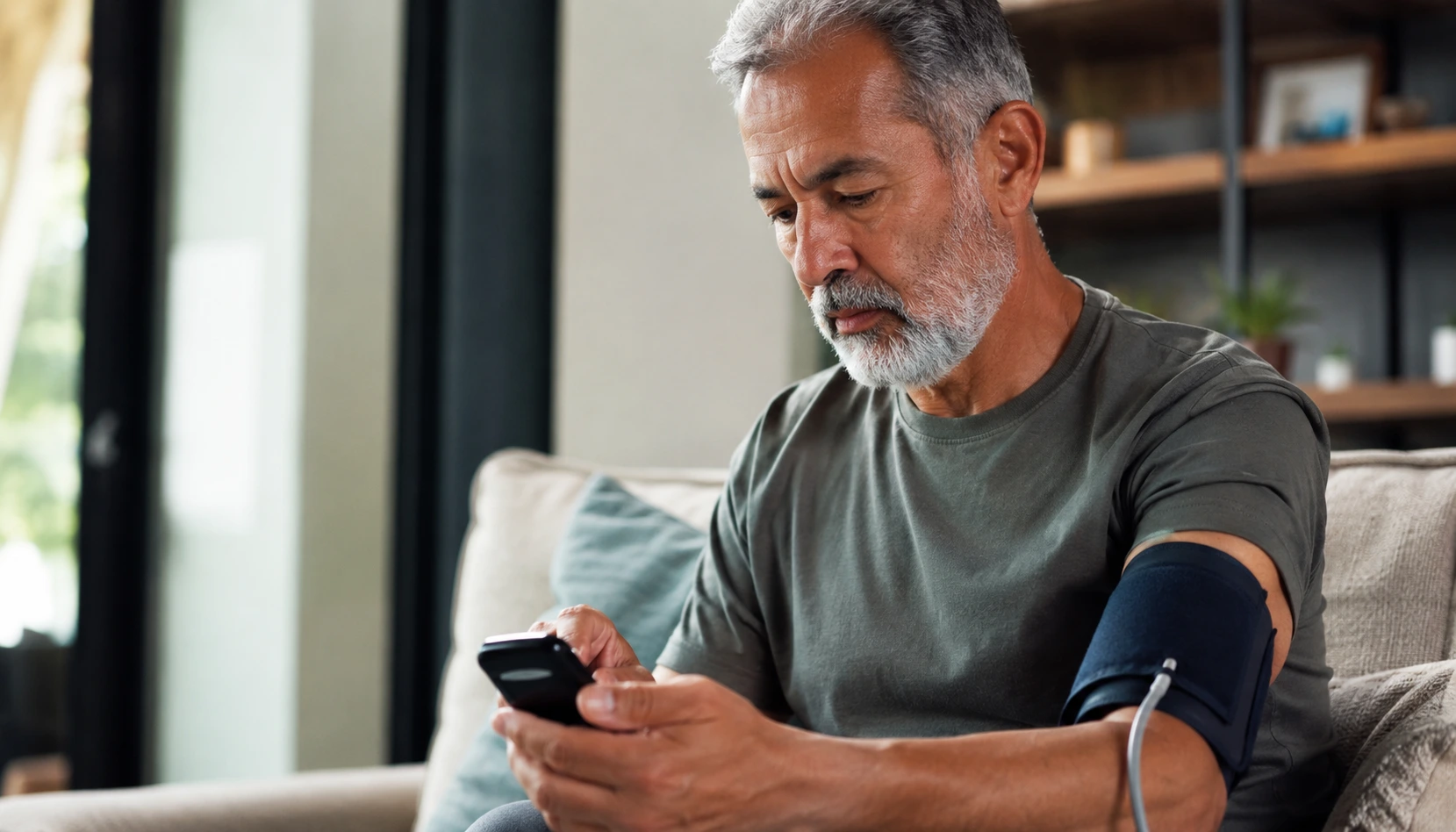
Remote patient monitoring (RPM) devices represent a transformative category of healthcare technology that enables continuous tracking of patient health metrics outside traditional clinical settings. These connected devices—including blood pressure monitors, pulse oximeters, wearable sensors, glucose monitors, and other biosensors—allow patients to measure vital signs and health data at home, with information transmitted digitally to healthcare providers for real-time analysis and medical oversight. RPM technology supports chronic disease management, recovery monitoring, and improved healthcare access by creating a bridge between patients and clinicians through data-driven engagement.
The scope and application of remote patient monitoring devices extend across diverse patient populations and health conditions. Seniors benefit from simplified, user-friendly devices designed to track age-related health concerns and support independent living. Young adults leverage wearable and mobile-integrated technologies to monitor fitness, preventive health, and early disease detection. Women access RPM solutions tailored to address specific health monitoring needs, from hormonal tracking to cardiovascular oversight. Each demographic brings distinct priorities, preferences, and practical considerations that shape how RPM devices are selected, implemented, and utilized in daily life.
Understanding RPM devices requires examining both the scientific foundation and real-world application of the technology. Clinical evidence demonstrates that remote monitoring systems improve patient outcomes through earlier intervention, enhanced medication adherence, and reduced hospitalizations for certain conditions. Simultaneously, practical factors such as device accuracy, ease of setup, learning curve, insurance coverage, and long-term usability directly influence whether RPM solutions work effectively in home environments. The interplay between medical evidence, user experience, and individual health circumstances determines the true value of any monitoring device.
This overview provides a comprehensive entry point to the full spectrum of remote patient monitoring device information. The linked articles explore specific demographics, examine device types and how they function, evaluate clinical effectiveness, share real-world user experiences, and offer practical guidance for setup and daily use. Together, these resources enable patients, caregivers, and healthcare decision-makers to develop evidence-based understanding of RPM technology and its role in modern home-based healthcare.
This NIH resource explains how digital health technologies, including remote monitoring systems and connected medical devices, are used to track patient health and support healthcare delivery outside traditional clinical settings. It also outlines the role of mobile health and telehealth technologies in modern medicine. → Click here