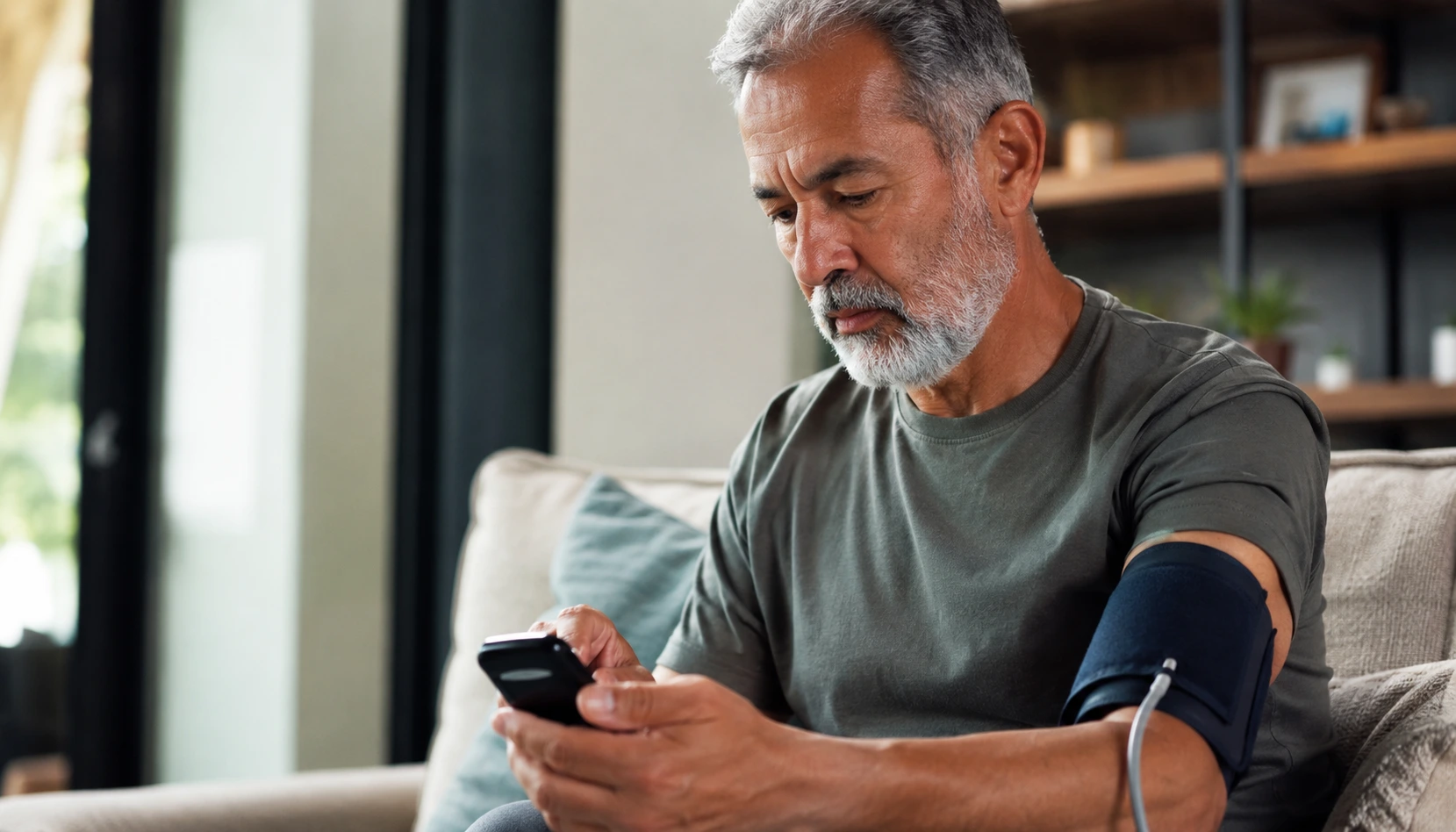
You’re juggling work, social life, and a nagging worry about your health that you keep pushing to the back of your mind because scheduling a doctor’s appointment feels impossible, but what if remote patient monitoring devices could give you real answers without leaving your apartment?
What are remote patient monitoring devices?
Remote Patient Monitoring (RPM) devices are electronic tools designed to collect and transmit health data from patients at home to healthcare providers. Think of them as a bridge between your body and your doctor’s office. These devices enable continuous monitoring of vital signs like heart rate, blood pressure, and blood glucose levels, providing valuable insights into your health status without requiring you to sit in a waiting room for hours. For young adults, this means you can track your wellness while managing a busy schedule. Whether you’re concerned about family history of hypertension, managing a newly diagnosed condition, or simply want to understand your baseline health metrics, RPM devices capture real-time data that would traditionally only be available during annual checkups. The technology ranges from simple wearable bands that monitor activity to sophisticated devices that measure multiple parameters simultaneously, all syncing automatically to secure platforms your healthcare team can access.
How do RPM devices function?
RPM devices use sensors and wireless technology to gather real-time data on various health parameters. The process begins with miniaturized sensors embedded in wearable devices or standalone monitors that detect physiological signals from your body. These sensors measure everything from electrical impulses in your heart to oxygen saturation in your blood. Once captured, the raw data travels through your device’s processor, which converts analog signals into digital information. This data is then transmitted securely via Bluetooth, WiFi, or cellular networks to cloud-based platforms where healthcare professionals can review it. Consider a young adult tracking irregular heartbeats: the device detects the rhythm, processes the pattern, and flags anomalies for your doctor to investigate. The collected data is analyzed using algorithms that identify trends, compare your readings to normal ranges, and alert your healthcare team if something requires immediate attention. This entire cycle often happens in minutes, meaning potential health issues can be caught early rather than discovered during a crisis.
The mechanisms behind RPM devices
RPM devices operate through a coordinated sequence of technological and biological processes. First, sensors capture physiological data by detecting electrical signals, pressure changes, or chemical markers in your body. These sensors are calibrated to specific measurement ranges and respond to minute variations in your health status. Second, the collected data is processed and analyzed using sophisticated algorithms that filter out noise, identify patterns, and compare your readings against established medical baselines. Machine learning components learn your individual patterns over time, making the system smarter at recognizing what’s normal for you versus what represents a genuine change. Third, information is transmitted via secure, encrypted channels to healthcare providers using hospital-grade security protocols that protect your privacy. Throughout this process, quality assurance systems verify data integrity at each step. For example, if you’re a young adult with a family history of diabetes, your RPM device might continuously monitor glucose levels, detect subtle upward trends, and alert your doctor before you develop symptoms. The entire system is designed to be transparent, with you receiving copies of your data and interpretations so you understand what your body is telling you.
- Wear the RPM device as instructed by your healthcare provider, ensuring proper placement for accurate sensor contact with your skin
- Ensure the device is charged and functioning properly by checking battery status daily and testing connectivity to your paired app or platform
- Regularly sync the device with the corresponding app or platform, typically daily or as recommended, to upload collected data for provider review
🔬 Science-backed benefits in 2 minuteschoose where to begin:
Benefits of RPM devices for young adults
For young adults, RPM devices offer the convenience of monitoring health proactively without frequent visits to the doctor’s office, fitting seamlessly into busy schedules filled with work, school, or travel. These devices empower individuals to take charge of their well-being by providing actionable insights and early detection of potential health issues before they become serious. Imagine being able to track how your stress levels affect your heart rate, or how dietary changes impact your blood glucose, giving you concrete data to make informed lifestyle decisions. RPM devices eliminate the guesswork from health management by replacing vague feelings of concern with measurable evidence. Young adults often feel invincible and skip preventive care, but RPM devices make health monitoring feel relevant and immediate rather than abstract. The psychological benefit is significant too: seeing your own data trends builds health literacy and motivation. You’re not just receiving a diagnosis at an annual checkup; you’re actively participating in understanding your body’s patterns. This is especially valuable for those with family histories of chronic disease, as early intervention based on real data can prevent or delay onset of serious conditions.
Limitations of RPM devices
While RPM devices offer numerous advantages, they are not without limitations that young adults should understand before relying on them completely. Data accuracy can vary depending on device quality, proper usage, and individual factors like skin sensitivity or movement artifacts that interfere with sensors. Privacy concerns exist because health data is transmitted through digital networks, requiring trust in the security measures protecting your information. Regular device maintenance is essential, including battery management, sensor cleaning, and software updates, which demands ongoing user responsibility. Some devices produce false alarms or inconsistent readings that can cause unnecessary anxiety or lead to overtreatment. Additionally, RPM devices work best when integrated with professional medical oversight; they cannot replace the clinical judgment of a trained healthcare provider who understands your complete medical history. Young adults might be tempted to self-diagnose based on device readings without proper context, potentially missing important nuances that a doctor would catch. The technology also has gaps in coverage for certain health conditions, and not all devices are equally validated by clinical research. It’s essential to view RPM devices as tools that enhance medical care rather than replace it, and to discuss any concerning readings with your healthcare provider before taking action.
Future outlook of RPM technology
As technology continues to advance, the capabilities of RPM devices are expected to grow exponentially in ways that will transform how young adults manage their health. The integration of artificial intelligence and machine learning algorithms will enhance the predictive capabilities of these devices, enabling more personalized and effective healthcare interventions tailored to your unique biology and lifestyle. Future RPM devices will likely incorporate non-invasive sensors that measure biomarkers currently requiring blood draws, making continuous monitoring even more seamless. Imagine a device that predicts a health issue weeks before symptoms appear, giving you time to adjust your habits or seek preventive treatment. Wearable technology will become more sophisticated and less obtrusive, potentially embedding sensors into clothing or even tattoos that monitor health continuously without requiring you to remember to wear anything. Integration with electronic health records will improve, allowing your RPM data to automatically populate your medical file and inform clinical decisions across all your healthcare providers. Blockchain technology may enhance data security and give you greater control over who accesses your information. For young adults, these advances mean health monitoring will become as natural and invisible as checking your phone, while providing increasingly accurate insights that help you live longer, healthier lives.
RPM devices are innovative tools that enable continuous monitoring of vital signs and health parameters from the comfort of your home, offering young adults the convenience and empowerment to actively manage their health proactively. Understanding how these devices work, their benefits, and their limitations helps you use them effectively as part of a comprehensive approach to wellness that includes professional medical guidance.
How accurate are RPM devices in monitoring health data?
RPM devices have shown promising accuracy in collecting and transmitting health data, with most FDA-cleared devices meeting rigorous validation standards. However, occasional discrepancies may occur due to improper device placement, skin conditions, or movement artifacts, emphasizing the importance of regular calibration and adherence to device usage instructions. Accuracy also depends on the specific device and the parameter being measured, so discussing accuracy with your healthcare provider is important.
Can RPM devices replace traditional doctor visits?
While RPM devices provide valuable real-time data and continuous monitoring that traditional visits cannot match, they are not a substitute for in-person medical consultations. Regular check-ups with healthcare providers are still essential for comprehensive health assessments, physical examinations, and clinical judgment that devices cannot provide. RPM devices work best when integrated with traditional care, giving your doctor more information to make better decisions about your health.
Others also read:
Disclaimer: This article is for informational purposes only and is not a substitute for professional medical advice. Always consult a healthcare professional for personal guidance.
This article has been prepared and reviewed by the GlobalHealthBeacon editorial team and is based on current medical research and published scientific literature available in 2026. It provides structured, evidence-based information to support informed health decisions.
← Back to the Main page on: remote patient monitoring devices
