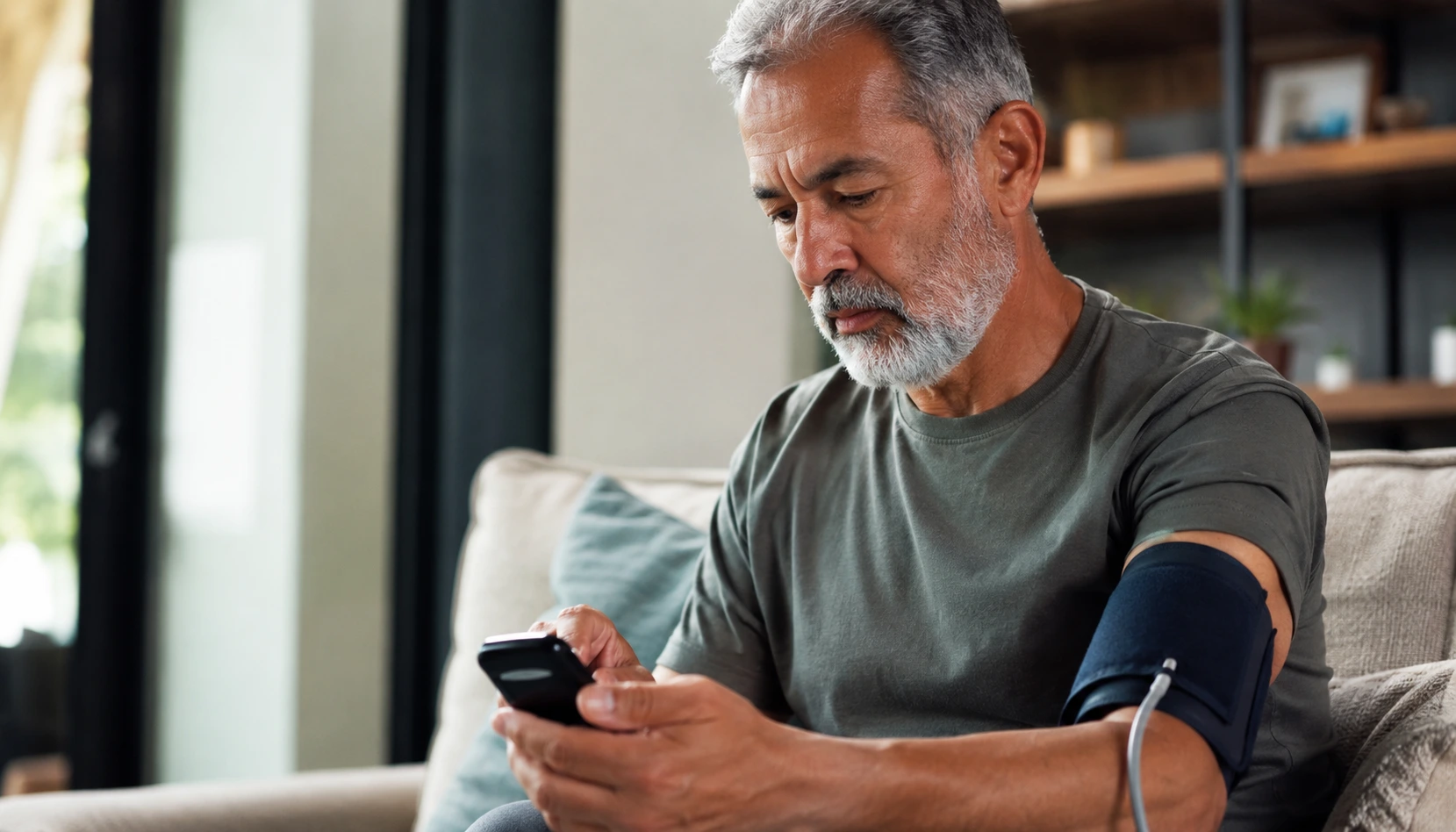
You’re juggling work, social life, and a nagging feeling that you should probably know what your blood pressure actually is, but the thought of sitting in a doctor’s office for two hours makes you want to scream – that’s where remote patient monitoring devices come in to save you from that nightmare.
Understanding remote patient monitoring devices
Remote patient monitoring devices are portable technologies that let you track vital signs and symptoms from home without the friction of scheduling appointments. Imagine you’re a 28-year-old working long hours at a startup – you barely have time to eat lunch, let alone drive to a clinic. RPM devices solve this by putting health tracking directly in your hands. These tools measure blood pressure, heart rate, oxygen levels, and other key metrics using sensors you wear or hold. The data syncs to your phone or a secure portal where your doctor can see it. Young adults especially benefit because these devices fit into busy, unpredictable schedules. You can check your health status while commuting, between meetings, or whenever it feels right. The real power is that your healthcare provider gets continuous data instead of a single snapshot from an annual visit, giving them a much clearer picture of your actual health patterns over time.
- Easily monitor your blood pressure and heart rate on the go
- Receive real-time alerts for any irregularities in your health
- Stay connected to your healthcare provider without frequent visits to the clinic
Top features to look for in RPM devices
Choosing the right RPM device means looking beyond flashy marketing. Start with accuracy – a device that gives wildly different readings each time is useless. Check if the manufacturer has clinical validation studies backing up their claims. User-friendliness matters enormously because if the setup takes 30 minutes, you’ll abandon it after week two. Look for devices with one-tap syncing to your phone and clear, intuitive displays. Data storage capacity is critical if you want to track trends over months or years – some devices only store a few readings before deleting old data. Connectivity with your healthcare provider’s system is a game-changer. Some devices work with any doctor, while others only sync with specific health systems. Battery life deserves attention too. A device that needs charging every day becomes a burden; aim for at least 5-7 days between charges. Finally, consider the learning curve. The best device is one you’ll actually use consistently, so prioritize simplicity over feature overload.
📘 Fix your day in under 2 minuteschoose where to begin:
Benefits of using RPM devices
RPM devices shift you from reactive to proactive health management. Instead of waiting until something feels wrong, you’re collecting real data about your baseline. Picture a 25-year-old with a family history of high blood pressure who discovers through consistent monitoring that stress from work spikes their readings – they can now address this before it becomes a chronic problem. You gain early warning signs. If your resting heart rate suddenly jumps 15 beats per minute, that’s a signal something’s off, whether it’s illness, overtraining, or stress. Your doctor can intervene earlier when conditions are easier to manage. For young adults managing chronic conditions like diabetes or asthma, RPM devices provide accountability and clarity. You see exactly how your lifestyle choices impact your numbers. Skipped exercise? Your heart rate variability shows it. Ate poorly? Blood sugar data reflects it. This feedback loop motivates behavior change in ways that annual doctor visits never could. You also reduce unnecessary clinic visits and emergency room trips by catching issues early.
Recommended RPM devices for young adults
Smartwatches like the Apple Watch Series 9 or Samsung Galaxy Watch 6 offer comprehensive health tracking with ECG, blood oxygen, and heart rate monitoring built in. They’re always on your wrist, so you never forget to use them. Wireless blood pressure monitors from brands like Omron or Withings sync directly to your phone and cost between 50 and 150 dollars. They’re ideal if you specifically need to monitor hypertension. Portable ECG devices like the KardiaMobile give you hospital-grade heart rhythm data in seconds – useful if you experience palpitations or have arrhythmia concerns. Continuous glucose monitors like Freestyle Libre are game-changers for diabetes management, showing real-time glucose trends. Pulse oximeters measure oxygen saturation, especially valuable if you have respiratory concerns. The best choice depends on your specific health needs. A young adult with no chronic conditions might start with a smartwatch for general wellness tracking. Someone with hypertension in their family should prioritize a dedicated blood pressure monitor. The key is picking something you’ll actually use daily, not a device that sits in a drawer.
Future of remote patient monitoring
Remote patient monitoring is evolving rapidly, and young adults will benefit from increasingly sophisticated tools. AI-powered health analytics are getting smarter at detecting patterns humans would miss. Instead of just showing you raw numbers, future devices will predict health risks weeks or months in advance. Wearable technology is becoming less intrusive and more accurate – imagine monitoring vital signs through a patch smaller than a postage stamp. Integration with telemedicine platforms means your data flows seamlessly into video consultations with your doctor. Interoperability is improving too, so devices from different manufacturers will work together in one unified health dashboard. Personalization is the next frontier. Your RPM device will learn your individual baseline and alert you only when something genuinely abnormal happens for you specifically, reducing alert fatigue. Blockchain technology may give you true ownership of your health data, letting you share it selectively with providers, insurers, or researchers. For young adults, this means healthcare becomes less about annual checkups and more about continuous, intelligent monitoring that adapts to your life.
Remote patient monitoring devices provide young adults with a convenient way to track their health status and communicate with healthcare providers. From user-friendly features to real-time monitoring capabilities, these devices offer valuable insights to empower individuals in managing their well-being.
How accurate are remote patient monitoring devices?
Remote patient monitoring devices are designed to provide accurate and reliable health data. It is essential to choose a device from reputable brands and follow the manufacturer’s guidelines for proper usage to ensure accurate results.
Can RPM devices replace regular doctor visits?
While remote patient monitoring devices offer valuable health tracking capabilities, they are not intended to replace regular doctor visits. These devices serve as complementary tools to help individuals monitor their health between scheduled appointments with healthcare providers.
Others also read:
Disclaimer: This article is for informational purposes only and is not a substitute for professional medical advice. Always consult a healthcare professional for personal guidance.
This guide has been prepared and reviewed by the GlobalHealthBeacon editorial team and reflects current medical research as of 2026. It provides structured, evidence-based information to support informed health decisions.
