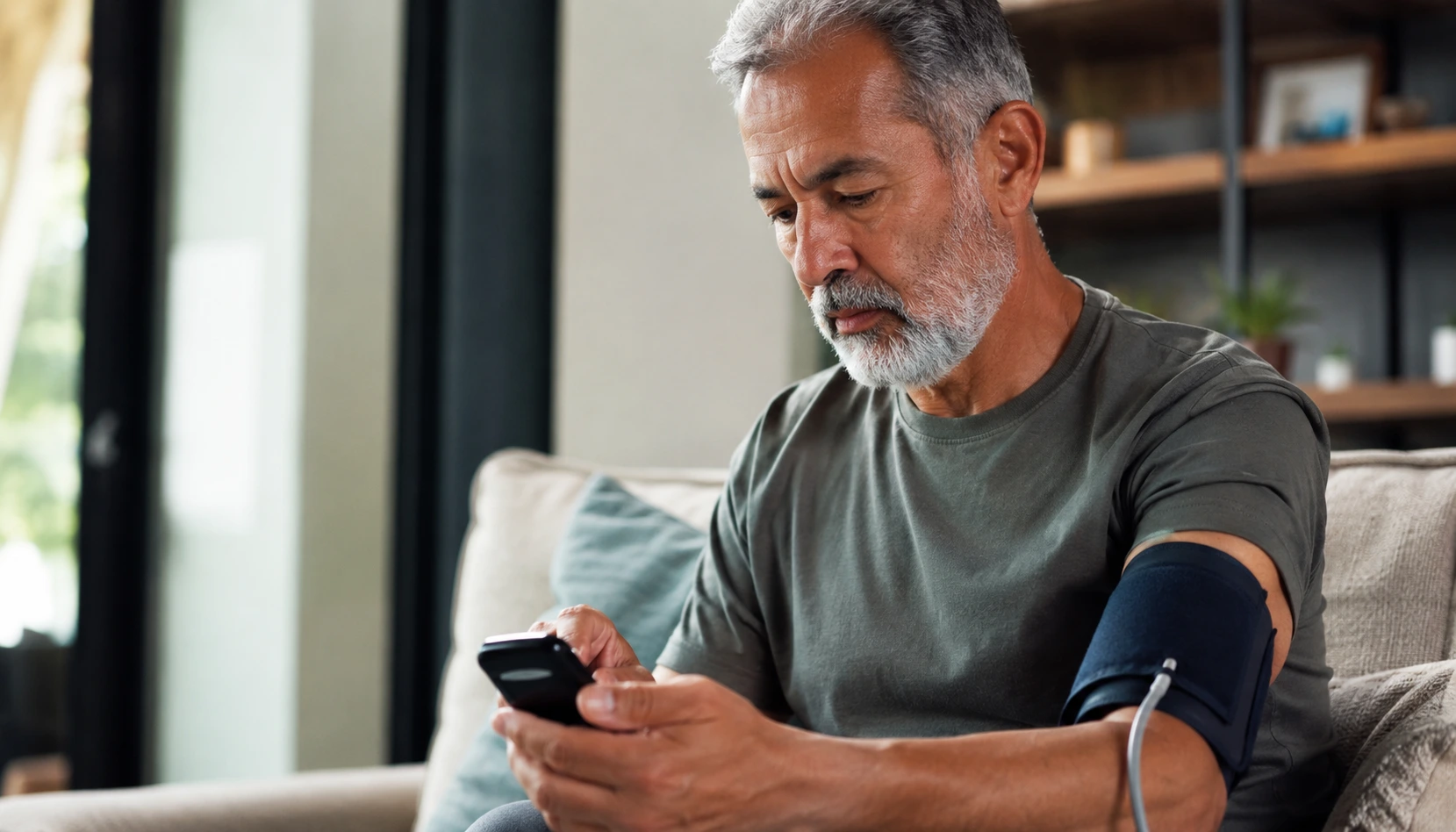
Tired of dragging yourself to doctor appointments every other week, sitting in waiting rooms for hours, and feeling like nobody really knows what’s happening with your health between visits? Remote patient monitoring devices are changing that equation by letting your healthcare team watch your vital signs from home, catching problems before they become emergencies.
Understanding remote patient monitoring devices
Remote patient monitoring devices represent a category of medical technology designed to collect and transmit health data from a patient’s home directly to their healthcare provider’s system. These devices measure specific physiological markers like blood pressure, heart rate, oxygen saturation, weight, and blood glucose levels. Consider Margaret, a 72-year-old with hypertension who uses a connected blood pressure cuff each morning. The device automatically sends her readings to her cardiologist’s office, eliminating the need for weekly clinic visits just to check numbers. The technology works through wireless connectivity, either Bluetooth or cellular networks, ensuring data reaches the healthcare team in real time. This continuous stream of information allows doctors to spot trends that might not appear during a single office visit, such as gradually rising blood pressure or irregular heart rhythms that occur sporadically.
Benefits of remote monitoring for seniors
The advantages of remote patient monitoring extend beyond simple convenience. For seniors managing chronic conditions like heart disease, diabetes, or COPD, this technology creates a safety net that operates 24/7. Research indicates that continuous monitoring can reduce hospital readmissions by helping healthcare teams identify warning signs early. Take Robert, an 78-year-old with congestive heart failure who gained 3 pounds overnight, a potential sign of fluid buildup. His weight monitoring device flagged this change, prompting his nurse to call with medication adjustments before he developed severe breathing problems. Beyond clinical outcomes, seniors report reduced anxiety about their health status because they know their data is being actively reviewed. The technology also improves care coordination when multiple doctors are involved, as all providers access the same current information rather than relying on outdated office notes.
How remote monitoring works
The process of setting up and using remote patient monitoring follows a straightforward sequence that most seniors can manage with minimal training. First, your healthcare provider prescribes the appropriate monitoring device based on your specific health conditions and needs. You receive the device, often with a setup guide or brief training call from a nurse or technician who walks you through connecting it to your home WiFi or pairing it via Bluetooth to your smartphone. Second, you perform simple daily measurements at consistent times, such as taking your blood pressure each morning before breakfast or checking your weight after using the bathroom. The device automatically transmits this data to a secure portal where your healthcare team reviews it according to a predetermined schedule. Third, your healthcare provider’s office monitors the incoming data, comparing it against your baseline and established thresholds. If readings fall outside safe ranges or show concerning trends, a nurse or doctor contacts you promptly to discuss what the data means and whether any adjustments to your treatment plan are needed.
- Receive prescription and device setup from your healthcare provider with initial training on operation and connectivity.
- Perform daily measurements at consistent times and allow the device to automatically transmit data to your healthcare team’s secure system.
- Your healthcare providers review your data regularly and contact you if readings indicate changes requiring attention or treatment adjustments.
🔬 Science-backed benefits in 2 minuteschoose where to begin:
Enhanced healthcare accessibility
Geographic distance and physical limitations have historically created barriers to consistent healthcare for seniors. A person living 45 minutes from the nearest cardiologist or someone with severe arthritis who struggles to drive faces real obstacles to regular monitoring. Remote patient monitoring devices eliminate these friction points by bringing clinical oversight into the home. Consider Dorothy, an 81-year-old living in a rural area who previously had to travel two hours for quarterly heart checkups. With a remote monitoring device, her cardiologist now reviews her data weekly without requiring the exhausting journey. Early detection becomes possible because monitoring happens continuously rather than at scheduled intervals. When a senior’s blood sugar starts trending upward or their heart rate becomes irregular, the healthcare team catches these shifts immediately rather than discovering problems months later during an annual exam. This proactive approach prevents small issues from escalating into acute crises that require emergency room visits or hospitalizations.
Improved patient engagement
Passive patients who simply take medications and hope for the best often miss opportunities to understand their own health patterns. Remote monitoring transforms seniors into active participants who see their own data and understand how their behaviors affect their numbers. When James, a 75-year-old with diabetes, sees his glucose readings spike after eating certain foods, he gains concrete feedback about which dietary choices work for his body. This real-time information creates motivation that generic advice cannot match. Seniors receiving continuous feedback report greater adherence to medications and lifestyle changes because they witness the direct connection between their actions and their health metrics. The technology also builds confidence and reduces the sense of helplessness that sometimes accompanies chronic disease management. Instead of feeling like a passive recipient of care, seniors become informed partners who understand their condition deeply and contribute meaningfully to decisions about their treatment.
Future of healthcare with remote monitoring
The trajectory of remote patient monitoring technology points toward increasingly sophisticated capabilities that will reshape how seniors experience healthcare. Artificial intelligence algorithms are being integrated into monitoring systems to predict health deterioration days or weeks before it becomes clinically obvious, allowing preventive interventions. Wearable devices are becoming more comfortable and less obtrusive, moving beyond traditional cuffs and monitors to patches and rings that seniors barely notice. Integration with smart home technology means that environmental factors like temperature, activity levels, and sleep patterns automatically feed into the clinical picture without requiring additional effort from the patient. Imagine a future where your home environment adjusts automatically based on your health data, or where your monitoring system alerts you to take your medication before you forget. These advances promise to extend independence for seniors, allowing more people to age in place safely while receiving the same level of oversight previously available only through frequent hospitalizations or nursing home placement.
Remote monitoring devices provide a practical solution for seniors by enabling healthcare teams to track vital signs remotely, improving care coordination, and enhancing overall quality of life. This technology offers benefits such as enhanced healthcare accessibility, improved patient engagement, and promises a future of personalized care.
Are remote monitoring devices reliable for seniors?
Yes, remote monitoring devices have been proven to be reliable tools for tracking vital signs and collecting health data in seniors, helping healthcare providers intervene promptly if necessary.
Can seniors use remote monitoring devices without technical skills?
Most remote monitoring devices are designed to be user-friendly, requiring minimal technical skills to set up and operate, making them accessible to seniors with varying levels of tech-savviness.
Others also read:
Disclaimer: This article is for informational purposes only and is not a substitute for professional medical advice. Always consult a healthcare professional for personal guidance.
This article has been prepared and reviewed by the GlobalHealthBeacon editorial team and is based on current medical research and published scientific literature available in 2026. It provides structured, evidence-based information to support informed health decisions.
← Back to the Main page on: remote patient monitoring devices
