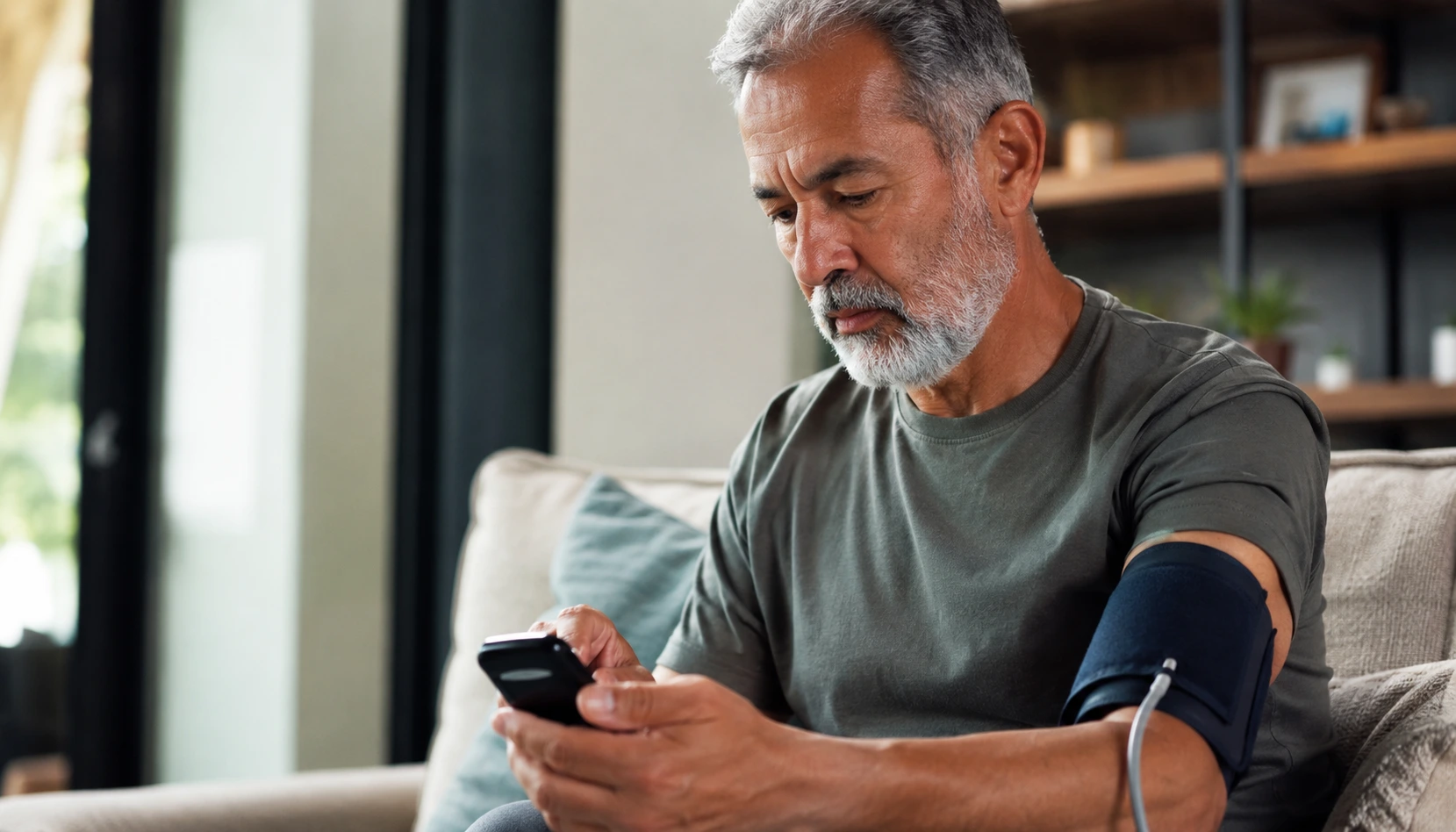
You’re tired of playing phone tag with your doctor’s office, worried about missing warning signs between appointments, and honestly exhausted by the mental load of tracking your own health data on scraps of paper, but remote patient monitoring devices might actually be the relief you’ve been searching for.
Easy integration into daily life
Think about Margaret, a 72-year-old managing diabetes and mild heart concerns. She used to spend mornings writing down blood sugar readings and blood pressure numbers, worried she’d forget something important by her next doctor visit. Then she started using a wearable RPM device that synced automatically to her phone. No more manual tracking, no more anxiety about missing data. The device sits quietly on her wrist, collecting information while she gardens, visits her grandchildren, or simply enjoys her morning coffee. Real-time alerts notify her if something shifts unexpectedly, giving her the confidence to live her life without constantly checking herself. These tools integrate so naturally that seniors often forget they’re wearing them, yet they’re working 24/7 to keep watch over what matters most.
- Convenient monitoring without manual tracking
- Real-time alerts for sudden changes in health
- Minimal disruption to daily activities
Personalized health insights
RPM devices don’t just collect numbers; they tell your unique health story. Consider James, 68, who noticed his energy dipped on certain days but couldn’t figure out why. His RPM device revealed a pattern: his activity levels dropped when he slept poorly, which then affected his blood pressure the next day. Armed with this insight, he adjusted his evening routine, and suddenly felt more stable. These devices track trends over weeks and months, showing you what actually works for your body. Instead of relying on memory or guesswork, you’re working with real data that reflects your specific lifestyle, medications, and conditions. Seniors appreciate this personalized approach because it shifts them from passive patients to informed partners in their own care.
💬 Ready to feel better in 2 minutes?choose where to begin:
Improved communication with healthcare providers
Gone are the days of sitting in your doctor’s office trying to remember what happened last month. With RPM devices, your healthcare provider sees your actual daily patterns in real-time. Robert, 75, used to struggle explaining his symptoms during brief appointments. Now his doctor reviews his RPM data before they even talk, understanding exactly how his condition fluctuates throughout the week. This transforms the conversation from guesswork into genuine problem-solving. Your provider can spot trends you might miss, adjust medications more precisely, and catch concerning changes before they become emergencies. The result is faster interventions, more targeted care plans, and fewer unnecessary office visits. Communication becomes a dialogue built on shared data rather than fragmented memories.
Peace of mind and enhanced independence
Perhaps the greatest gift RPM devices offer seniors is freedom. Helen, 76, worried constantly about having another health event alone at home. Her adult children wanted her in assisted living, but she cherished her independence. An RPM device with emergency alert capabilities changed everything. She could stay in her own home, pursue her hobbies, and travel to see friends, knowing that help was just a button press away if needed. Her family received notifications about her daily activity patterns, giving them reassurance without intrusion. This balance of independence and safety is what most seniors truly want. RPM devices enable aging in place on your own terms, reducing the need for constant monitoring by others while maintaining the safety net everyone needs.
Discover how RPM devices integrate seamlessly into daily life, offer personalized health insights, improve communication with healthcare providers, and provide peace of mind and enhanced independence for seniors seeking optimal health and well-being.
Are RPM devices easy to use for seniors with limited tech experience?
Yes, RPM devices are designed to be user-friendly and require minimal technical knowledge. Manufacturers often provide detailed instructions and customer support to ensure smooth operation for seniors.
Do RPM devices replace in-person medical visits for seniors?
While RPM devices offer continuous monitoring and support, they are meant to complement, not replace, traditional medical care. Regular check-ups and consultations with healthcare providers remain essential for seniors’ overall health and well-being.
Others also read:
Disclaimer: This article is for informational purposes only and is not a substitute for professional medical advice. Always consult a healthcare professional for personal guidance.
This article presents an experience-based perspective and has been reviewed by the GlobalHealthBeacon editorial team in 2026. It provides structured, evidence-based information to support informed health decisions.
