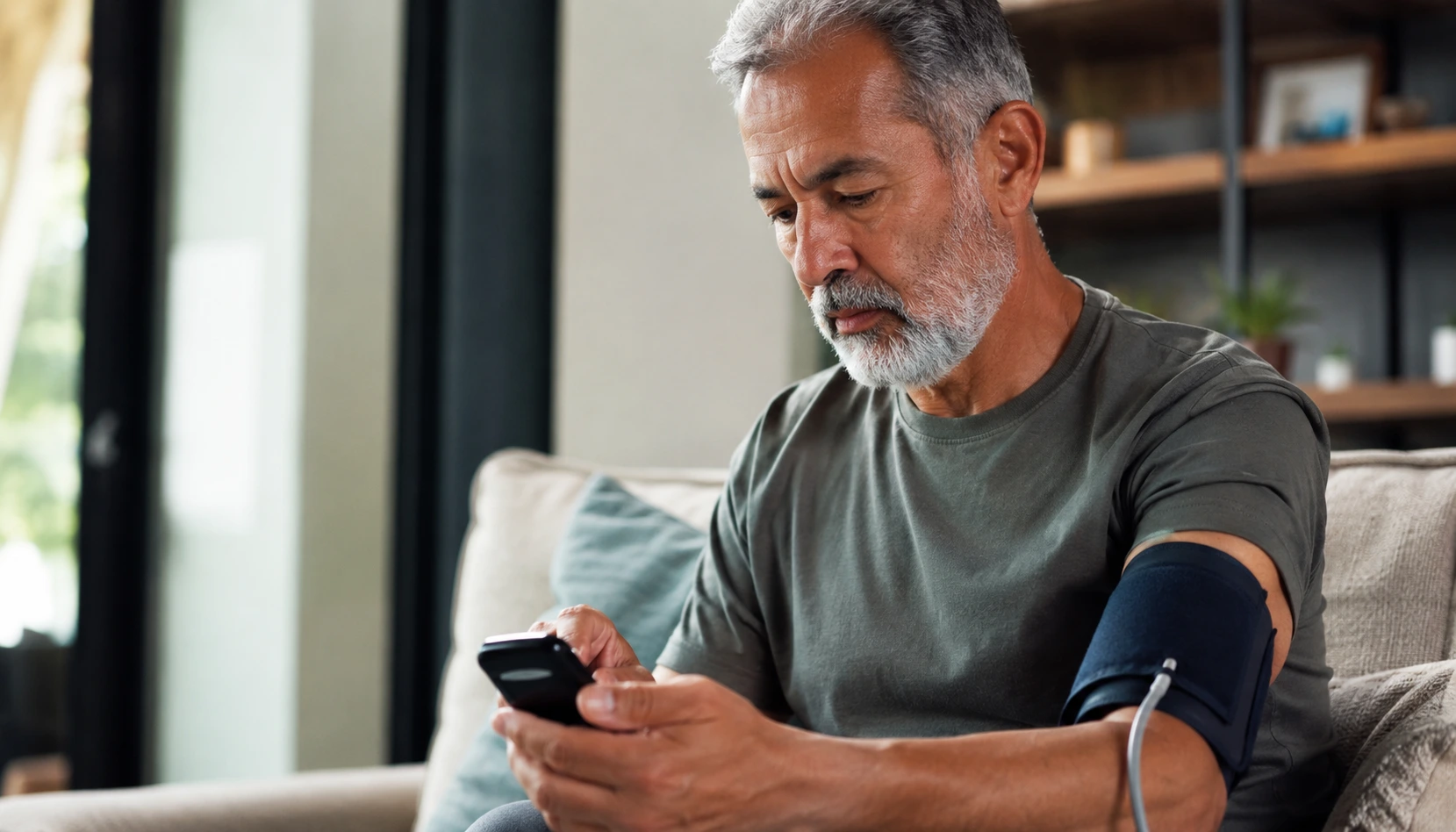
You’re juggling work, social life, and trying to stay healthy, but managing your health feels like just another thing on an endless to-do list, so remote patient monitoring devices might actually be the bridge between your busy life and real health insights.
Understanding remote patient monitoring devices
Remote patient monitoring devices represent a fundamental shift in how health data moves between patients and healthcare providers. Rather than waiting for annual checkups or emergency situations, these technologies continuously collect vital information like heart rate, blood pressure, oxygen saturation, and electrocardiogram readings. Imagine wearing a smartwatch that doesn’t just count your steps but actively communicates with your doctor’s office, sending real-time alerts if something seems off. These devices work through wireless connectivity, transmitting encrypted health data to secure platforms where healthcare providers can review trends and patterns. For a young adult managing type 2 diabetes, an RPM device might track glucose levels throughout the day, revealing how late-night study sessions or weekend activities affect blood sugar. The technology eliminates the guesswork from health management by creating a continuous conversation between you and your medical team, rather than isolated snapshots during office visits.
Benefits of RPM devices for young adults
Young adults face unique health challenges that RPM devices address directly. You’re often balancing multiple responsibilities while potentially managing chronic conditions like asthma, diabetes, or hypertension that don’t announce themselves loudly. RPM devices offer convenience that fits your lifestyle, allowing health monitoring without disrupting your schedule. Consider a 28-year-old athlete with a history of arrhythmia who uses a portable ECG monitor. Instead of worrying about symptoms during training, they get objective data showing heart rhythm patterns, enabling informed decisions about workout intensity. These devices also foster proactive health engagement rather than reactive crisis management. Young adults using RPM technology report feeling more in control of their health outcomes and more motivated to maintain healthy behaviors when they see real data reflecting their choices. The psychological benefit matters too: knowing your healthcare provider has access to your health information creates accountability and partnership rather than the traditional patient-as-passive-recipient model.
How to get started with remote patient monitoring devices
Starting with RPM technology involves several thoughtful steps rather than just purchasing a device. First, schedule a conversation with your healthcare provider to discuss whether RPM monitoring aligns with your health needs and goals. Your doctor can recommend specific devices validated for your condition and explain what data points matter most for your situation. Next, understand the technical setup: most devices require downloading an app, creating a secure account, and pairing the hardware via Bluetooth. Manufacturer instructions vary, so allocate 15 to 30 minutes for initial setup without rushing. A common mistake young adults make is selecting trendy devices without clinical validation for their specific condition. A fitness tracker might count steps beautifully but won’t provide the medical-grade accuracy needed for serious health monitoring. Once set up, consistency becomes crucial. Using your device sporadically creates incomplete data patterns that confuse rather than clarify health trends. Set reminders on your phone, integrate monitoring into your morning or evening routine, and treat it like brushing your teeth rather than an optional task.
- Consult with your healthcare provider for device recommendations.
- Follow the setup instructions provided by the manufacturer.
- Consistently use the devices for accurate monitoring.
🔬 Science-backed benefits in 2 minuteschoose where to begin:
Monitoring your health with RPM devices
RPM devices track multiple health metrics simultaneously, creating a comprehensive picture of your physical state. Heart rate variability reveals stress levels and recovery quality. Blood pressure readings show cardiovascular strain patterns. Glucose monitoring demonstrates how your body responds to food, exercise, and sleep. Weight tracking reveals fluid retention or metabolic changes. For a 32-year-old managing hypertension, RPM data might show that stress from work deadlines consistently elevates blood pressure by 15 to 20 points, while evening walks reduce it significantly. This personalized insight becomes actionable: your doctor might adjust medication timing or recommend stress management techniques based on your actual patterns rather than assumptions. The real power emerges when you notice correlations yourself. You realize that skipping breakfast and sleeping only five hours creates a cascade of metabolic stress visible in your data. RPM devices transform abstract health concepts into concrete, observable patterns you can actually see and respond to, making health management feel less like following rules and more like understanding yourself.
Enhancing healthcare communication and coordination
Traditional healthcare relies on brief office visits where you summarize weeks of health experiences in minutes, often forgetting important details. RPM devices eliminate this information bottleneck by creating continuous data streams your healthcare team reviews between appointments. Your doctor sees not just your current state but your trajectory. They notice that your blood pressure has been gradually creeping upward over three weeks, prompting a proactive medication adjustment before you experience symptoms. This transforms the doctor-patient relationship from episodic to ongoing. When you arrive for an appointment, your provider already understands your recent health patterns and can focus on deeper discussion rather than basic data collection. Coordination improves dramatically when multiple providers access the same real-time data. Your cardiologist, primary care physician, and endocrinologist all see consistent information, reducing contradictory advice and duplicated testing. Young adults with complex health needs benefit enormously from this coordinated approach, as does anyone managing multiple conditions requiring specialist input.
The future of remote patient monitoring for young adults
RPM technology continues evolving rapidly, with artificial intelligence increasingly analyzing data patterns to predict health changes before they become serious. Imagine devices that alert you not just to current problems but to emerging risks based on subtle pattern shifts. Integration with wearable technology means monitoring happens seamlessly through devices you already use daily, eliminating the need for separate medical equipment. Predictive analytics might identify that your current trajectory suggests increased heart disease risk in five years, prompting preventive interventions now. Interoperability improvements will allow different devices and platforms to communicate smoothly, creating unified health records accessible to your entire care team. For young adults, this evolution means health monitoring becomes invisible yet comprehensive, embedded into daily life rather than feeling like medical burden. The technology will likely become more personalized, with algorithms learning your individual baseline and alerting you only to meaningful deviations rather than creating alert fatigue. As these tools mature, young adults will have unprecedented ability to understand their bodies and partner with healthcare providers in genuinely preventive medicine.
Remote patient monitoring devices offer young adults a valuable tool for proactive health management, enabling continuous monitoring, personalized insights, and improved communication with healthcare providers.
How often should I use remote patient monitoring devices?
The frequency of use depends on your healthcare provider’s recommendations and your specific health needs. It’s essential to follow their guidance for accurate monitoring.
Are remote patient monitoring devices covered by insurance?
Many insurance plans cover the cost of remote patient monitoring devices, especially for managing chronic conditions. Check with your insurance provider to determine coverage options.
Others also read:
Disclaimer: This article is for informational purposes only and is not a substitute for professional medical advice. Always consult a healthcare professional for personal guidance.
This article has been prepared and reviewed by the GlobalHealthBeacon editorial team and is based on current medical research and published scientific literature available in 2026. It provides structured, evidence-based information to support informed health decisions.
← Back to the Main page on: remote patient monitoring devices
