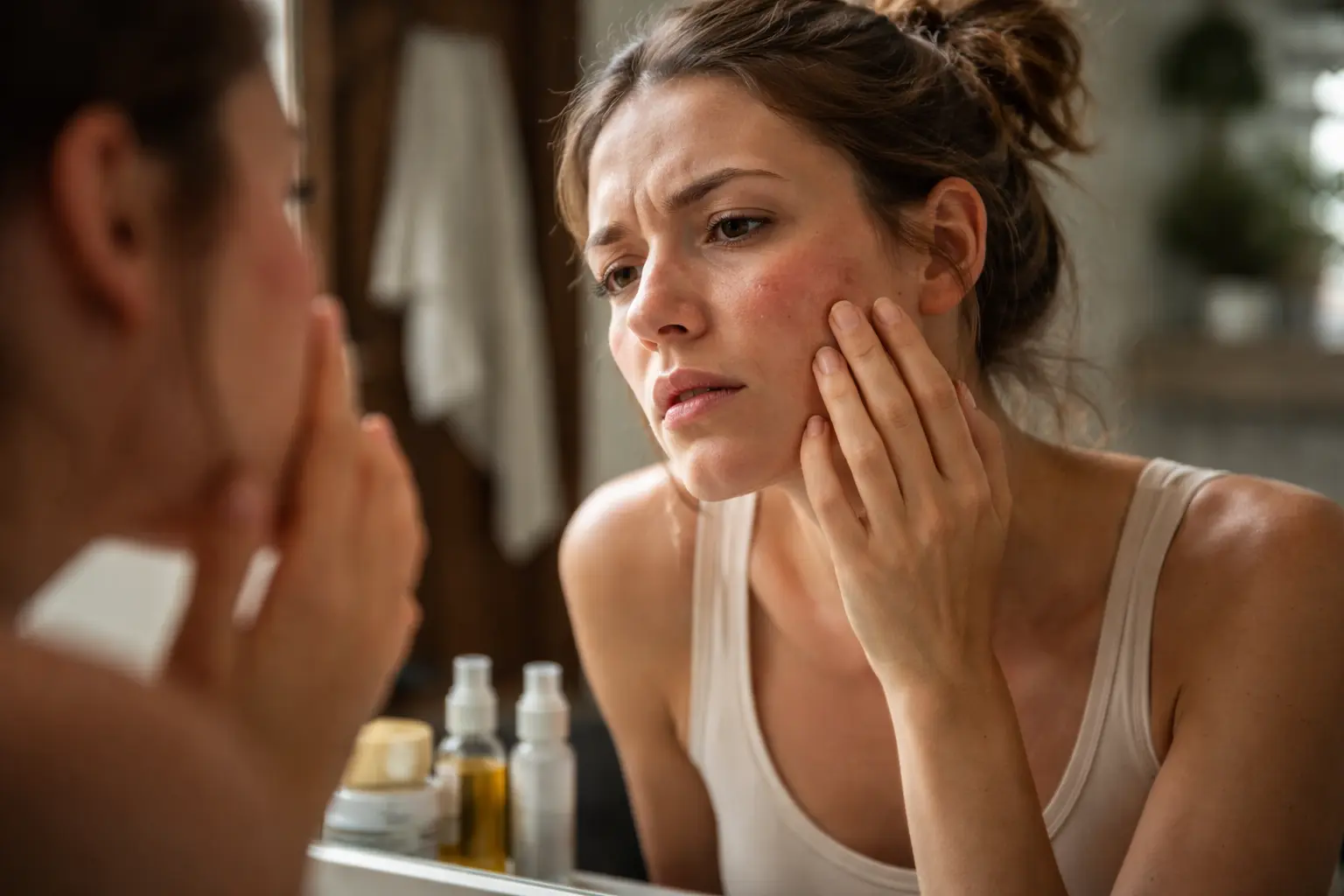
You wake up, splash water on your face, and there it is again – that angry red, flaky skin staring back at you in the mirror, and you’re wondering if retinol side effects are actually destroying your skin or if you just need to push through a little longer.
Skin sensitivity: the good, the bad, and the ugly
When it comes to retinol, the love-hate relationship begins with skin sensitivity, and honestly, it can feel like your skin is staging a rebellion. Some users rave about the improved texture and tone of their skin within weeks, while others find themselves battling intense redness, irritation, and peeling that makes them want to throw the bottle away. I remember one woman describing her first week on retinol as feeling like her skin was sunburned from the inside out. The reality is that retinol works by accelerating cell turnover, which means your skin is essentially shedding old layers faster than usual. This process creates that uncomfortable sensitivity phase where your moisture barrier feels compromised. The key is understanding that this initial discomfort doesn’t mean retinol is wrong for you, it just means your skin needs time to adapt. Starting with the lowest concentration and using it just two or three times per week can make all the difference between giving up and finding your sweet spot.
- Retinol can cause redness, dryness, and flaking in the first few weeks of use.
- Gradually introducing retinol into your skincare routine can help minimize sensitivity.
- Pairing retinol with a hydrating moisturizer can combat dryness and irritation.
Acne flare-ups: the temporary setback
For women dealing with acne-prone skin, the promise of clearer skin with retinol comes with a caveat that nobody really wants to talk about – the dreaded purging phase. As your skin adjusts to this new ingredient, you may experience increased breakouts before seeing any noticeable improvement, which can feel absolutely defeating when you started using retinol specifically to clear your skin. Imagine being three weeks into your retinol journey, feeling hopeful, and then suddenly your chin breaks out worse than it has in months. This happens because retinol is pushing everything to the surface faster, bringing congestion that was already brewing beneath the skin to the top. One woman I know stuck with retinol through this phase and within eight weeks, her skin was clearer than it had been in years. The purging phase typically lasts between four to eight weeks, though it can vary. Patience during this challenging period is absolutely key, and knowing that breakouts are actually a sign that retinol is working can help you mentally get through it. Resisting the urge to add more actives or over-exfoliate during this time is crucial.
💬 Ready to feel better in 2 minutes?choose where to begin:
Sun sensitivity: a summer dilemma
Enjoying the sunshine is a given, but with retinol in your skincare arsenal, you need to be extra vigilant about sun protection because retinol genuinely makes your skin more vulnerable to UV damage. Retinol increases cell turnover and thins out that protective outer layer of skin, meaning your skin is essentially more exposed and sensitive to the sun’s rays. This isn’t just about preventing sunburn, though that’s certainly a risk. Regular sun exposure while using retinol can lead to increased photosensitivity, pigmentation issues, and can actually undo all the anti-aging benefits you’re working toward. One dermatologist shared that she had a patient who developed severe sun damage and dark spots after using retinol without adequate sun protection during a beach vacation. That story stuck with me because it shows how quickly things can go wrong. Applying a broad-spectrum sunscreen with at least SPF 30 daily is non-negotiable, and honestly, SPF 50 is better if you’re using retinol regularly. Even on cloudy days, UV rays penetrate, so consistency matters more than perfection.
Long-term benefits: the silver lining
Despite the initial hurdles and side effects that can feel overwhelming, many women swear by the long-term benefits of incorporating retinol into their skincare routine, and the transformation stories are genuinely compelling. After pushing through the sensitivity phase and acne flare-ups, users report smoother, more radiant skin with visibly diminished fine lines and wrinkles. One woman shared that after six months of consistent retinol use, people started asking if she had gotten a facial because her skin looked so much brighter and more even-toned. The collagen-boosting effects of retinol mean that the longer you use it, the more your skin improves at a cellular level. Beyond wrinkles, users notice improved skin texture, reduced pore appearance, and a more youthful glow that no amount of makeup can replicate. The journey through the side effects becomes worth it when you see your skin transform in ways you didn’t think were possible. Many women who initially questioned whether retinol was right for them end up calling it a game-changer in their skincare routine.
Navigating the side effects of retinol can be a challenging experience, with skin sensitivity, acne flare-ups, and increased sun sensitivity being common hurdles that test your patience and commitment. However, the long-term benefits of improved skin texture, reduced signs of aging, and a more radiant complexion make the journey worthwhile for many women who push through the initial adjustment phase.
Is it normal to experience skin sensitivity when using retinol?
Yes, it’s completely normal to experience skin sensitivity, including redness, dryness, and flaking when first using retinol. These side effects usually subside as your skin adapts to the ingredient, typically within two to four weeks of consistent use.
How can I minimize the side effects of retinol?
To minimize the side effects of retinol, start by introducing it gradually into your skincare routine, beginning with the lowest concentration and using it just two to three times per week. Use a hydrating moisturizer to combat dryness and irritation, avoid other active ingredients during the adjustment phase, and always apply broad-spectrum sunscreen daily to protect your skin from increased sun sensitivity.
Others also read:
Disclaimer: This article is for informational purposes only and is not a substitute for professional medical advice. Always consult a healthcare professional for personal guidance.
This article presents an experience-based perspective and has been reviewed by the GlobalHealthBeacon editorial team in 2026. It provides structured, evidence-based information to support informed health decisions.
