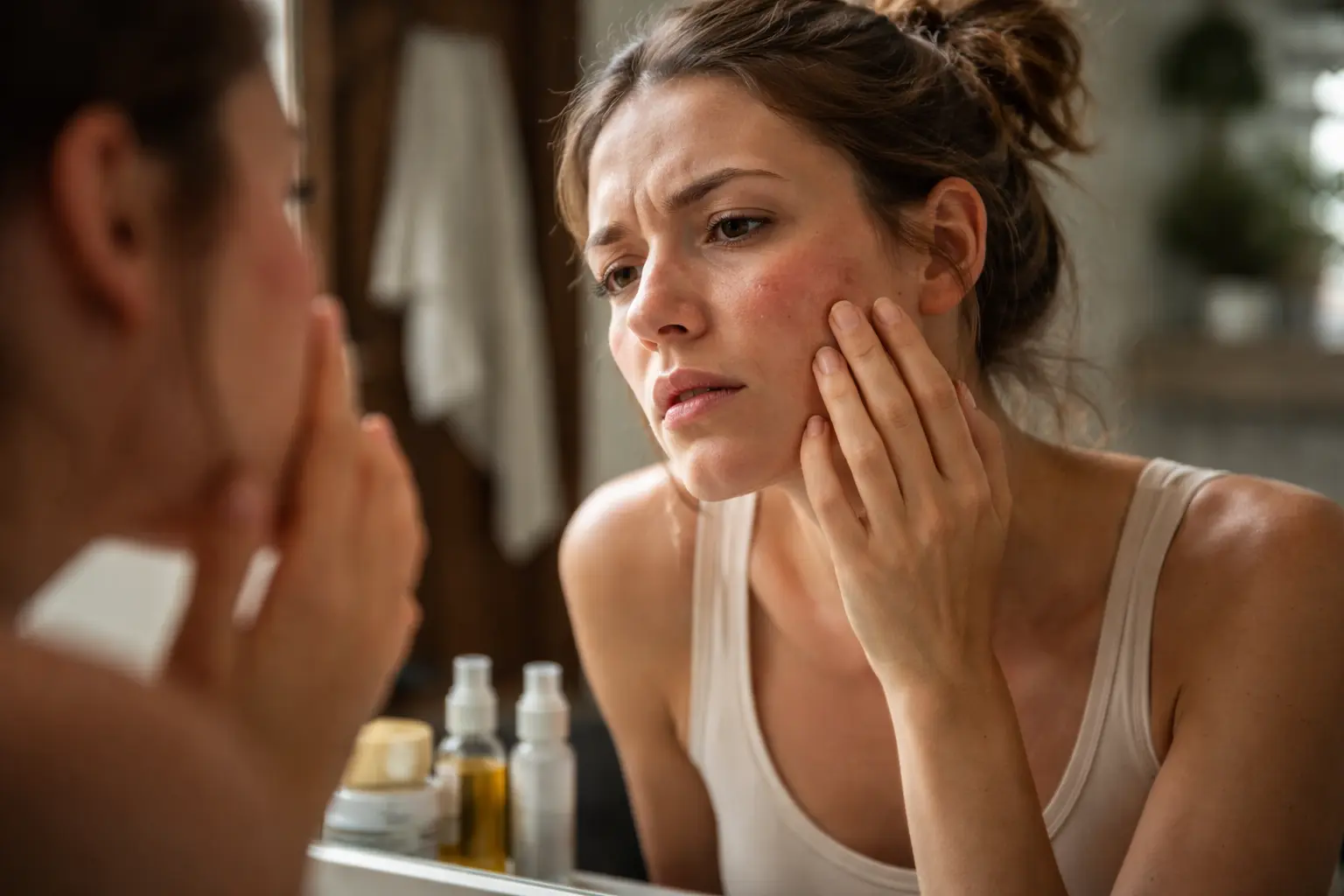
Your skin started burning after just two nights of retinol, and now you’re spiraling wondering if you’ve permanently damaged your face with retinol side effects.
Navigating the unexpected effects of retinol
Retinol promised you clear, glowing skin like the influencers promised, but what actually happened was a completely different story. You started using it on a Monday night, excited about the transformation, and by Wednesday morning your face felt tight and raw. The irritation, dryness, and increased sensitivity hit harder than you expected, throwing your entire skincare routine into chaos. Maybe you were using it every single night like an overachiever, or perhaps you jumped straight to a high concentration without easing in. Real young adults have shared experiences of their skin barrier feeling compromised, their face becoming a flaky, red mess that made them want to hide from the world. The key is understanding that retinol is powerful and your skin needs time to adapt. Some people experience this adjustment phase for weeks, while others bounce back faster. The frustration is real, but knowing what to expect helps you stay the course instead of abandoning it entirely.
- Combatting dryness with hydrating serums and gentle moisturizers
- Managing irritation by reducing retinol frequency
- Shielding skin with SPF to mitigate sensitivity
Balancing act: pros and cons of retinol
Here’s the thing about retinol that nobody tells you upfront: the benefits are genuinely worth the temporary struggle, but only if you understand what you’re signing up for. Yes, it accelerates cell turnover, which means your skin sheds faster and reveals fresher layers underneath. This process triggers redness, flakiness, and that uncomfortable peeling sensation that makes you want to wear a paper bag over your head. But stick with it, and you might see your acne scars fade, your fine lines soften, and your overall skin texture improve dramatically. One 24-year-old shared how she pushed through three weeks of irritation only to wake up one morning and realize her skin looked smoother and more refined than ever before. Another young adult found that their stubborn acne finally cleared after two months of consistent, careful retinol use. The timeline varies wildly from person to person, and that’s the frustrating part. Your friend might see results in four weeks while you’re still dealing with dryness at week six. Patience isn’t just a nice-to-have here; it’s absolutely essential to actually seeing the payoff.
💬 Ready to feel better in 2 minutes?choose where to begin:
The reality of retinol: stories from the trenches
Real stories from young adults reveal the messy, honest truth about retinol that dermatologists’ websites don’t always capture. One 22-year-old described over-exfoliating her skin by combining retinol with an exfoliating acid, resulting in a damaged barrier that took months to repair. She learned the hard way that retinol is already doing the exfoliation work for you, and adding more just backfires. Another young adult shared how she started with too high a concentration and spent two weeks looking like she had a bad sunburn, which tanked her confidence right before a big presentation. Then there’s the story of someone who gave up after one week, convinced retinol wasn’t for them, only to regret it months later when they saw their friend’s incredible skin transformation. These aren’t cautionary tales meant to scare you; they’re real experiences that show both the pitfalls and the potential. The highs include clearer skin, faded scars, and newfound confidence. The lows include temporary flakiness, redness, and the emotional toll of dealing with uncomfortable skin. Embracing this journey means accepting that bumps along the way are genuinely part of the process, not signs that something is wrong.
Navigating your skin’s journey with retinol
Your skin will literally talk to you if you learn to listen. When you start retinol, pay attention to how your skin responds each day. Does it feel tight and uncomfortable? That’s your signal to dial back the frequency, maybe moving from nightly to every other night. Is the redness and flakiness getting worse instead of better after two weeks? Your skin might need a break or a lower concentration. One young adult described keeping a simple journal of how her skin felt each day, which helped her identify patterns and adjust her routine accordingly. She realized that using retinol on nights when she was already dehydrated made everything worse, so she started using it only on days when she’d been drinking plenty of water and had a solid sleep. Another person discovered that applying retinol to completely dry skin caused more irritation than applying it to slightly damp skin, which seemed counterintuitive but actually worked. This is where the magic happens: when you stop following a generic skincare routine and start customizing it to your unique skin. Listen to the dryness signals and layer in more hydration. Notice the sensitivity and give your skin more recovery days between retinol applications. With this mindful, responsive approach, retinol becomes less of a gamble and more of a tailored experience that actually works for your individual skin.
Navigating the effects of retinol on skin requires patience and a tailored approach. While it may trigger dryness, irritation, and sensitivity, the benefits of smoother skin make the journey worthwhile. Embrace the ups and downs, adjusting your skincare routine based on your skin’s needs.
How can I minimize irritation from using retinol?
To reduce irritation from retinol, try using it every few nights instead of daily. Additionally, incorporate a soothing moisturizer and always apply SPF during the day.
What are the common side effects of using retinol?
Common side effects of retinol include dryness, redness, flakiness, and increased sensitivity. These effects usually improve over time as your skin adjusts to the treatment.
Others also read:
Disclaimer: This article is for informational purposes only and is not a substitute for professional medical advice. Always consult a healthcare professional for personal guidance.
This article presents an experience-based perspective and has been reviewed by the GlobalHealthBeacon editorial team in 2026. It provides structured, evidence-based information to support informed health decisions.
