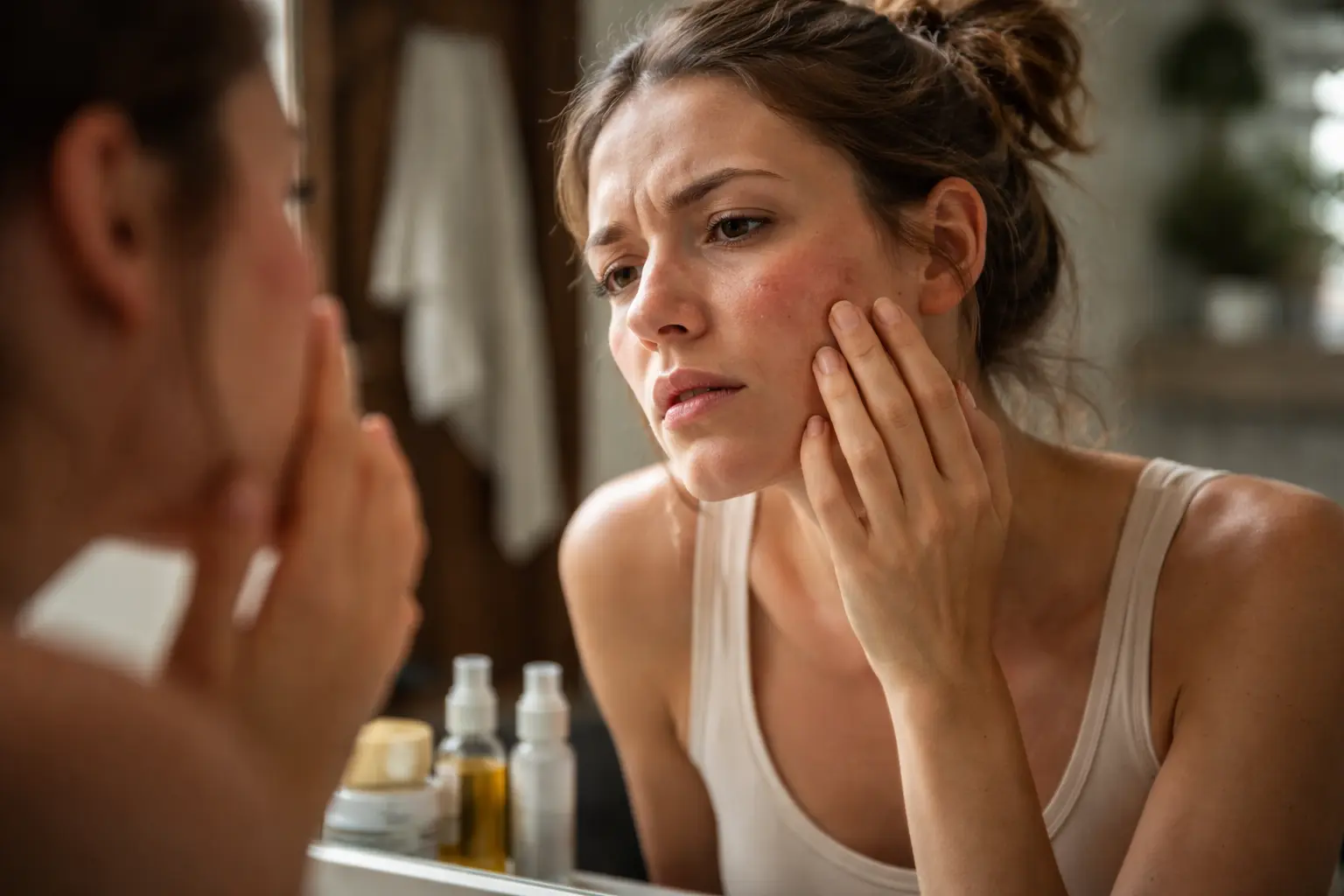
Your skin is burning, peeling, and angry after starting retinol, and you’re wondering if you made a huge mistake with retinol side effects that nobody warned you about.
Understanding retinol
Retinol is a form of Vitamin A that’s become a staple in skincare routines, especially for young adults looking to prevent early signs of aging or improve skin texture. It works by increasing cell turnover and boosting collagen production, which sounds amazing until your face starts rebelling. The thing is, retinol is potent. When you apply a high concentration right out of the gate, your skin barrier doesn’t know what hit it. You might experience sensitivity, dryness, and redness within days. Think of retinol like introducing a new workout routine to your body. If you go from zero to intense immediately, you’ll be sore and exhausted. But if you ease in gradually, your body adapts. Your skin works the same way. Starting with a low concentration, maybe 0.25% or even lower, allows your skin to build tolerance over weeks. Use it just two or three times per week initially, then increase frequency as your skin adjusts. Always apply retinol at night because it makes your skin more sun-sensitive, and always use sunscreen during the day without fail.
- Start with a low concentration of retinol to minimize side effects.
- Use retinol products at night and always wear sunscreen during the day.
- Consult a dermatologist before incorporating retinol into your skincare routine.
Potential skin sensitivity
Skin sensitivity is probably the most common complaint young adults have when they start retinol. You might notice redness that looks like a mild sunburn, slight stinging when you apply moisturizer, or a general feeling that your skin is irritated and uncomfortable. This happens because retinol accelerates skin cell turnover, and your skin is essentially going through a controlled shedding process. Imagine your skin as a wall of bricks. Retinol is loosening the mortar between those bricks so new, fresher bricks can come through. During that transition, the wall looks a bit messy and exposed. For many young adults, this sensitivity peaks around week two or three, then gradually improves as the skin adjusts. If you’re experiencing significant redness or stinging, don’t panic. Apply retinol more sparingly, maybe just a pea-sized amount, and mix it with your moisturizer to buffer the intensity. You can also skip a day or two if your skin feels overwhelmed. Patience here is key. Most people see sensitivity fade within four to six weeks if they stick with a gradual approach.
📘 Fix your day in under 2 minuteschoose where to begin:
Managing dryness
Dryness is retinol’s annoying sidekick. Your skin might feel tight, flaky patches might appear around your nose or mouth, and your usual moisturizer might not feel like enough anymore. This happens because retinol increases cell turnover, which means dead skin cells are being shed faster than usual, and your skin’s moisture barrier is working overtime. The solution isn’t to stop using retinol, it’s to support your skin barrier with hydration. Switch to a richer, more nourishing moisturizer during your retinol phase, something with ceramides, hyaluronic acid, or glycerin. Apply it to damp skin right after cleansing to lock in water. You might also benefit from a hydrating serum underneath your moisturizer for extra layers of hydration. Some young adults find that using a facial oil or occlusive product on top of their moisturizer at night helps seal everything in. A practical example: if you normally use a lightweight gel moisturizer, consider upgrading to a cream or lotion while using retinol. You can always switch back once your skin has fully adapted. Also, be gentle with cleansing. Use a soft, creamy cleanser instead of anything harsh or stripping. Your skin barrier is already working hard, so don’t make it harder.
Dealing with redness
Redness from retinol can range from mild pinkness to more noticeable flushing, especially in the first few weeks. It’s your skin’s inflammatory response to the increased cell turnover, and while it’s temporary, it can feel frustrating when you’re trying to look your best. The key is to calm and soothe your skin while continuing your retinol routine at a pace your skin can handle. Incorporate soothing ingredients into your routine, like aloe vera gel, centella asiatica, niacinamide, or a calming serum with green tea extract. Apply these after cleansing but before retinol to create a protective layer. Some young adults find that waiting 20 minutes after cleansing before applying retinol reduces redness, because the skin is less reactive when it’s not freshly washed. You could also try the sandwich method: apply moisturizer first, then retinol, then another layer of moisturizer on top. This buffers the retinol and reduces irritation while still allowing it to work effectively. If redness persists beyond six weeks or becomes severe, that’s a signal to either lower your concentration, reduce frequency, or consult a dermatologist. Everyone’s skin is different, and what works for your friend might need tweaking for you.
Sun sensitivity precautions
This is non-negotiable: retinol makes your skin more vulnerable to sun damage. Retinol increases cell turnover and thins the outer layer of skin slightly, which means your skin has less natural protection against UV rays. If you don’t wear sunscreen while using retinol, you’re essentially undoing the benefits and potentially causing damage. Apply a broad-spectrum sunscreen with at least SPF 30 every single day, even if it’s cloudy or you’re staying mostly indoors. UV rays penetrate clouds and reflect off windows, so protection is necessary regardless of weather. Many young adults make the mistake of thinking sunscreen is only for beach days, but when you’re using retinol, it becomes a daily essential. Choose a sunscreen that works well with your skin type. If you have oily skin, look for a lightweight, non-comedogenic formula. If you have dry skin, a hydrating sunscreen might feel better. Apply it generously, about a quarter teaspoon for your face, and reapply every two hours if you’re spending time outdoors. A practical scenario: you start retinol in spring and forget about sun protection because it doesn’t feel like summer yet. By mid-June, you notice uneven skin tone and sun spots appearing faster than usual. This is what happens when retinol meets unprotected sun exposure. Protect yourself from day one.
Retinol is a powerful anti-aging ingredient that works, but it demands respect and a gradual approach. Expect potential side effects like sensitivity, dryness, redness, and increased sun sensitivity, especially in your first month. Start low and go slow with concentration and frequency. Support your skin barrier with hydration, use soothing ingredients when needed, and make sunscreen non-negotiable. Most side effects fade within four to six weeks as your skin adapts. If severe reactions occur or persist beyond that window, consult a dermatologist to adjust your approach. Young adults can absolutely use retinol successfully, but only if they’re willing to be patient and intentional about it.
Can retinol be used by young adults?
Yes, young adults can use retinol effectively, and starting early can help prevent signs of aging. However, it’s essential to start with a low concentration, typically 0.25% or lower, and use it only two to three times per week initially. Gradually increase frequency as your skin builds tolerance over several weeks. This measured approach minimizes side effects and allows your skin to adapt without overwhelming your barrier.
How long does it take for skin to adjust to retinol?
Most people experience an adjustment period of four to six weeks. During this time, you may notice sensitivity, dryness, peeling, or redness as your skin increases cell turnover. These effects typically peak around week two or three, then gradually improve. If severe reactions occur beyond six weeks, consult a dermatologist, as your skin may need a lower concentration or different formulation.
Others also read:
Disclaimer: This article is for informational purposes only and is not a substitute for professional medical advice. Always consult a healthcare professional for personal guidance.
This guide has been prepared and reviewed by the GlobalHealthBeacon editorial team and reflects current medical research as of 2026. It provides structured, evidence-based information to support informed health decisions.
