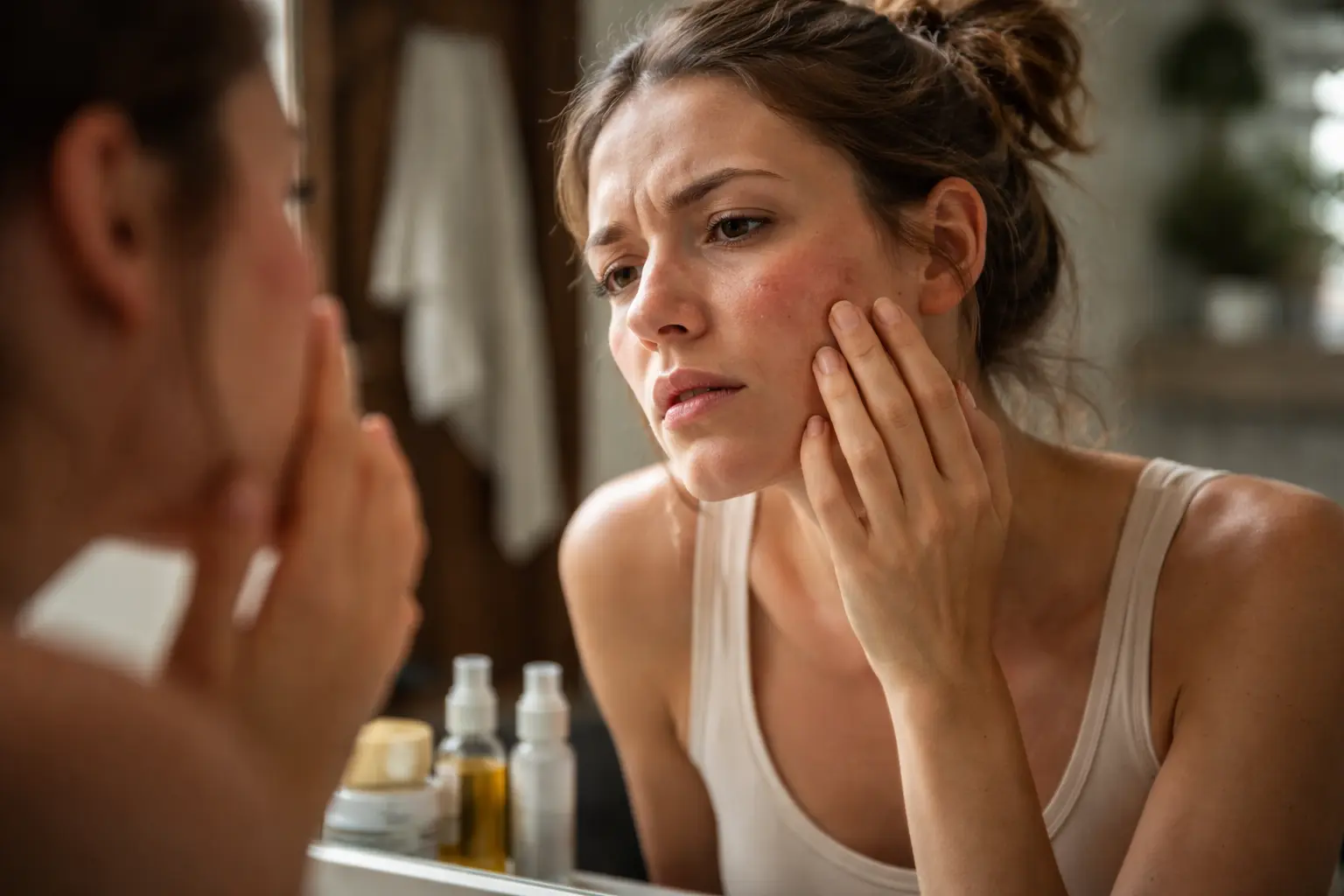
You’re staring at your skincare shelf wondering why retinol isn’t delivering the results you expected, while everyone online raves about retinal, and honestly, the confusion between retinol versus retinal usage is making you question whether you’re wasting money on the wrong ingredient.
What is retinol and how does it work?
Retinol is a naturally occurring form of vitamin A that has become a staple in skincare routines across the globe. When you apply retinol to your skin, it doesn’t immediately start working its magic. Instead, your skin’s enzymes must first convert it into retinaldehyde, an intermediate compound that sits one step closer to the active form your skin actually needs. From there, retinaldehyde undergoes another enzymatic conversion to become retinoic acid, the powerhouse molecule that directly influences how your skin cells behave. This multi-step conversion process means retinol requires more time and biological effort from your skin to become effective. Think of it like a relay race: retinol passes the baton to retinaldehyde, which passes it to retinoic acid. Once retinoic acid takes over, it stimulates collagen production, accelerates cell turnover, and helps fade fine lines and uneven texture. The trade-off is that this slower conversion means gentler effects on sensitive skin, making retinol a popular entry point for beginners.
Exploring the magic of retinal in skincare
Retinal, sometimes called retinaldehyde, occupies a unique position in the vitamin A hierarchy. It’s already one step ahead of retinol in the conversion chain, meaning your skin doesn’t have to work as hard to activate it. When you apply retinal, your skin only needs to perform one enzymatic conversion to transform it into retinoic acid, the active form that triggers visible changes. This shorter pathway translates into faster results and a more direct mechanism of action. Young adults using retinal often report noticing improvements in skin texture and clarity within weeks rather than months. However, this efficiency comes with a consideration: because retinal is more potent and works more quickly, it can also trigger more noticeable side effects like redness, peeling, or sensitivity in the first few weeks of use. Imagine retinal as the express lane on the highway to skin transformation, while retinol is the scenic route. Both get you to the destination, but the speed and intensity differ significantly.
The conversion process in action
Understanding how your skin transforms these vitamin A derivatives is key to managing expectations and side effects. Step one begins the moment you apply retinol to clean, dry skin: your skin’s alcohol dehydrogenase enzymes immediately begin breaking down the retinol molecule and converting it into retinaldehyde. This first conversion is where the process slows down compared to retinal, because not all skin has equally efficient enzyme activity. Step two involves retinaldehyde being further metabolized by retinaldehyde dehydrogenase into retinoic acid, the actual molecule that binds to retinoic acid receptors in your skin cells. Once retinoic acid attaches to these receptors, it triggers gene transcription, essentially telling your cells to increase collagen production, speed up the shedding of dead skin cells, and reduce the activity of melanin-producing cells. This cascade of molecular events unfolds over hours and days, which is why consistency matters more than intensity. With retinal, steps one and two happen more rapidly because your skin skips the first conversion entirely. The result is that retinoic acid reaches your cells faster and in higher concentrations, explaining why retinal users often experience more dramatic results but also more pronounced adjustment periods.
- Apply a pea-sized amount of retinol to cleansed, completely dry skin before bedtime, as moisture can interfere with absorption and increase irritation risk.
- Allow the retinol to absorb fully for at least 20 minutes before applying any other products, giving your skin time to begin the enzymatic conversion process.
- Follow up with a nourishing moisturizer to support your skin barrier and prevent the dryness and irritation that often accompanies retinol use.
- Start with a lower concentration, such as 0.25 to 0.3 percent, and use it only two to three times per week initially to allow your skin to build tolerance gradually.
- Consult a dermatologist for personalized advice on retinol usage, especially if you have sensitive skin, are pregnant, or are taking medications that increase photosensitivity.
🔬 Science-backed benefits in 2 minuteschoose where to begin:
Benefits of retinal over retinol
Retinal offers several distinct advantages that explain its growing popularity among young adults seeking faster skincare results. Because retinal requires only one enzymatic conversion instead of two, it reaches its active form more quickly and efficiently within your skin. This means you’ll likely see visible improvements in skin texture, fine lines, and clarity in a shorter timeframe compared to retinol. For someone juggling a busy schedule and wanting noticeable results within weeks rather than months, retinal delivers on that promise. Additionally, retinal tends to produce less irritation per unit of efficacy, meaning you can achieve stronger results with potentially fewer side effects once your skin adapts. Some research suggests retinal may also be more stable in formulations than retinol, which can degrade when exposed to light and air. However, the ‘better’ choice depends entirely on your skin’s current state and sensitivity level. If your skin is already compromised, inflamed, or you’re new to vitamin A derivatives, retinol’s gentler approach might actually serve you better in the long run.
Considerations when choosing between retinol and retinal
Selecting between retinol and retinal isn’t about picking the objectively ‘better’ option; it’s about matching the ingredient to your skin’s current needs and tolerance. Your skin sensitivity is the primary factor here. If you have reactive, easily irritated, or compromised skin, retinol’s slower conversion and milder effects make it the safer starting point. You can always upgrade to retinal later once your skin has built tolerance. Conversely, if you have resilient skin and want faster results, retinal might be worth the adjustment period. Concentration matters enormously too. A 0.3 percent retinol might feel gentler than a 0.5 percent retinal, so don’t assume the ingredient name alone determines intensity. Your lifestyle also plays a role: retinol and retinal both increase photosensitivity, meaning you must commit to daily sunscreen use. If you’re inconsistent with sun protection or spend significant time outdoors, these ingredients may not be ideal right now. Finally, consider your other active ingredients. Combining retinol or retinal with vitamin C, niacinamide, or acids can amplify irritation, so simplicity often wins during the adjustment phase.
Final thoughts on retinol vs retinal
The journey from retinol to retinal to retinoic acid reveals why these ingredients have earned their reputation as skincare powerhouses. Understanding this conversion chain empowers you to make informed decisions rather than simply following trends or influencer recommendations. Retinol offers a gentler, slower path to results, making it ideal for beginners or sensitive skin types. Retinal accelerates the timeline and intensity, suiting those with resilient skin and patience for an adjustment period. Neither is inherently superior; context determines everything. The real magic happens when you choose the form of vitamin A that aligns with your skin’s current state, your lifestyle, and your realistic expectations. Whether you opt for retinol or retinal, consistency and patience matter far more than choosing the ‘perfect’ ingredient. Start low, go slow, and give your skin time to adapt. Most importantly, listen to your skin’s feedback and adjust accordingly. Your skin’s health and comfort should always take priority over chasing results.
The conversion process from retinol to retinal to retinoic acid plays a vital role in skincare, influencing collagen synthesis and skin renewal for a youthful appearance. Consider factors like skin sensitivity and tolerance levels when deciding between retinol and retinal for optimal results.
Which is better for anti-aging: retinol or retinal?
Retinal is generally more effective for anti-aging due to its quicker conversion to retinoic acid, offering faster results with fewer side effects compared to retinol. However, retinol remains the better choice for sensitive skin or those new to vitamin A derivatives.
How should I introduce retinol or retinal into my skincare routine?
Start with a lower concentration of retinol or retinal to allow your skin to acclimate gradually. Always remember to use sunscreen during the day when using these ingredients to protect your skin from UV damage. Begin with two to three applications per week and increase frequency only as your skin tolerates it.
Others also read:
Disclaimer: This article is for informational purposes only and is not a substitute for professional medical advice. Always consult a healthcare professional for personal guidance.
This article has been prepared and reviewed by the GlobalHealthBeacon editorial team and is based on current medical research and published scientific literature available in 2026. It provides structured, evidence-based information to support informed health decisions.
