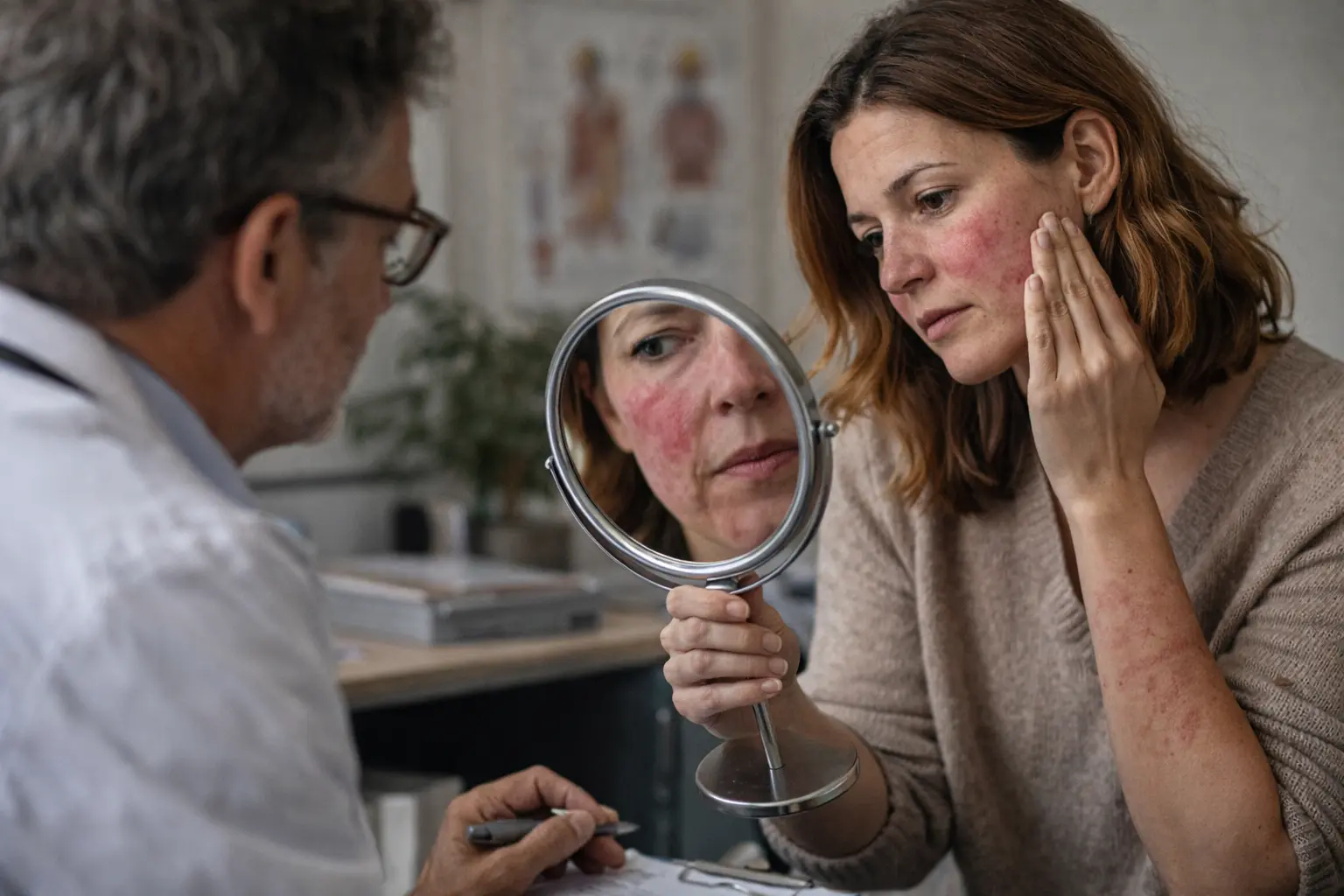
That burning sensation creeping across your cheeks mid-conversation, the visible redness that makes you want to hide, the unpredictable flare-ups that derail your day – rosacea symptoms explained are more than just skin deep, and if you’re a senior dealing with this, you know exactly how isolating and frustrating it can feel.
The emotional toll of rosacea
Rosacea doesn’t just affect the skin; it also takes a toll on mental well-being in ways many people don’t anticipate. Seniors may feel self-conscious, anxious, or even depressed due to the visible signs of this condition. Consider Margaret, a 68-year-old who used to love attending her weekly book club meetings. After rosacea developed, she found herself making excuses to skip gatherings, worried about the flushed appearance on her face. The constant worry about flare-ups can lead to a sense of unease and discomfort that extends far beyond the physical symptoms. Many seniors report feeling like they’re being judged or pitied, which creates an emotional burden that compounds the physical challenges. The fear of social situations, the anxiety before important family events, and the quiet shame that builds over time can significantly impact overall quality of life and emotional resilience.
- Emotional distress is common among seniors with rosacea and often goes unaddressed.
- Anxiety and self-consciousness often accompany visible symptoms and can limit social engagement.
- Fear of flare-ups can create ongoing stress, affecting sleep, mood, and daily confidence.
Managing triggers and flare-ups
Identifying triggers like spicy foods, sunlight, extreme temperatures, or stress can help seniors navigate the unpredictable nature of rosacea. By keeping a simple diary and noting what exacerbates their symptoms, they can take proactive steps to minimize flare-ups. For example, Robert discovered that his morning coffee wasn’t the culprit, but drinking it too hot was. Simple lifestyle changes, like using gentle skincare products, avoiding harsh scrubbing, staying hydrated, and protecting skin from UV rays, can also provide relief. Many seniors find success by adjusting their routines: taking cooler showers instead of hot ones, wearing a wide-brimmed hat during outdoor activities, and choosing fragrance-free moisturizers. Common mistakes include over-treating the skin with too many products, using astringent toners, or switching treatments too frequently without giving them time to work. The key is patience and consistency in identifying what works for your unique skin.
💬 Ready to feel better in 2 minutes?choose where to begin:
Seeking support and expertise
Connecting with others who understand the challenges of rosacea can be deeply reassuring for seniors who feel isolated by their condition. Support groups, whether in-person at community centers or online through forums and social media communities, offer a sense of belonging and shared experiences that normalize the struggle. Hearing from others who’ve navigated similar frustrations, discovered unexpected triggers, or found relief through specific treatments creates a powerful sense of validation. Seeking guidance from dermatologists or healthcare professionals who specialize in rosacea can provide tailored treatment options and peace of mind. These experts can discuss prescription treatments, laser therapy options, or other medical interventions that might be appropriate for your specific situation. Many seniors also find value in discussing their concerns with their primary care physician, who can help coordinate care and monitor overall health while managing rosacea.
Self-care and confidence boosters
Practicing self-care rituals, such as meditation, gentle exercise like walking or tai chi, or engaging in hobbies that bring joy, can reduce stress and improve overall well-being for seniors with rosacea. Building self-confidence through positive affirmations and embracing one’s unique beauty can help boost morale in meaningful ways. Helen, a 72-year-old, found that dedicating time to her gardening hobby not only kept her mind occupied but also gave her a sense of accomplishment unrelated to her appearance. Embracing a positive mindset and focusing on inner strengths rather than physical appearance can make living with rosacea more manageable. Small acts of self-compassion, like treating yourself to a favorite activity, connecting with loved ones, or celebrating non-appearance-related achievements, help shift focus away from the condition. Remember that managing rosacea is a journey, not a destination, and progress comes from consistent, gentle effort rather than perfection.
Seniors dealing with rosacea face not only physical challenges but also emotional struggles that deserve attention and care. Managing triggers, seeking support from communities and healthcare professionals, and practicing self-care can significantly improve their quality of life. By understanding their condition and taking proactive steps, seniors can navigate the daily realities of living with rosacea with resilience and grace.
Can rosacea be cured in seniors?
While there is no cure for rosacea, seniors can manage their symptoms effectively through lifestyle changes, skincare routines, and medical treatments prescribed by dermatologists.
How can seniors improve their confidence with rosacea?
Seniors can boost their confidence by practicing self-care, seeking support from others, and focusing on positive affirmations and inner strengths to embrace their unique beauty.
Others also read:
Disclaimer: This article is for informational purposes only and is not a substitute for professional medical advice. Always consult a healthcare professional for personal guidance.
This article presents an experience-based perspective and has been reviewed by the GlobalHealthBeacon editorial team in 2026. It provides structured, evidence-based information to support informed health decisions.
