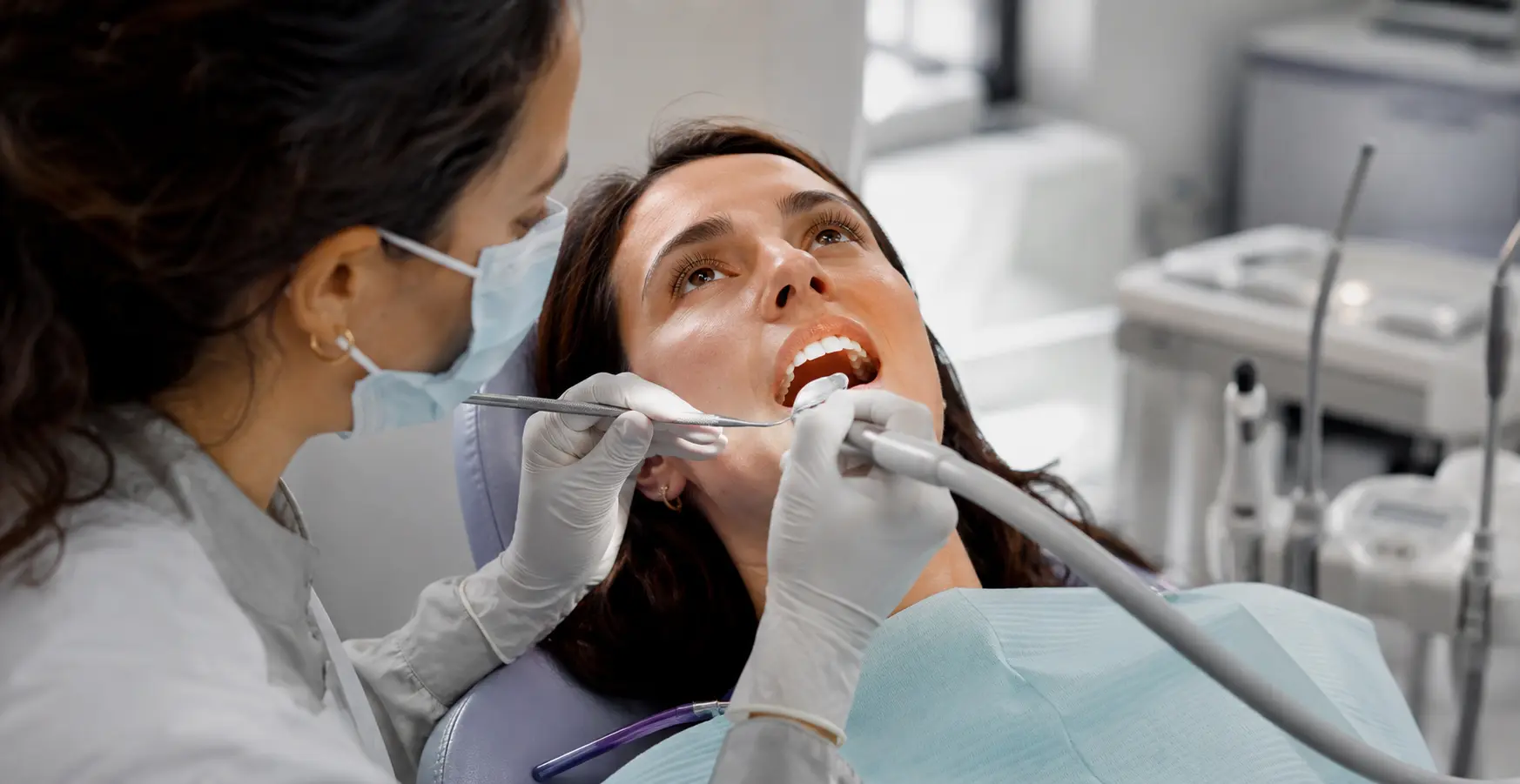
Your gums bleed when you floss, your breath feels off no matter how much you brush, and your dentist just mentioned scaling and root planing like it’s no big deal, but you’re sitting there wondering what that actually means for your mouth and your life.
Understanding scaling and root planing
Scaling and root planing is a deep cleaning procedure that targets gum disease at its source, working below the gumline where regular brushing cannot reach. During scaling, your dentist uses specialized instruments to carefully remove plaque and hardened tartar buildup from tooth surfaces and below the gum tissue. Root planing follows, smoothing out the root surfaces to eliminate rough spots where bacteria tend to hide and multiply. Think of it like this: if your teeth were a house, regular brushing is sweeping the floors, but scaling and root planing is deep cleaning the foundation. This procedure is often performed over multiple appointments, depending on the extent of your gum disease. Many women find that understanding the step-by-step process helps reduce anxiety about the appointment. Your dentist will explain which areas need attention and why, giving you a clear picture of what’s happening in your mouth.
- Prevent gum disease progression
- Remove calculus deposits
- Promote gum reattachment and healing
Are you a candidate for scaling and root planing?
Your dentist may recommend scaling and root planing if you show signs of gum disease, including bleeding gums during brushing or flossing, persistent bad breath that doesn’t improve with mouthwash, gum recession, or teeth that feel loose or shift slightly. Women sometimes notice these symptoms intensify during hormonal changes, such as menstruation or pregnancy, when gum tissue becomes more sensitive and prone to inflammation. Early detection is crucial because untreated gum disease can lead to bone loss and tooth loss over time. If you’ve been told you have gingivitis or periodontitis, scaling and root planing is often the first line of defense before more invasive treatments become necessary. Your dentist will measure your gum pockets (the space between your tooth and gum) using a small probe. Pockets deeper than three millimeters typically indicate that you need this procedure. Don’t feel alarmed if your dentist recommends it, this is a standard and effective treatment that stops disease progression when caught early.
📘 Fix your day in under 2 minuteschoose where to begin:
What to expect during the procedure
Before your appointment begins, your dentist will apply a numbing gel to your gums, followed by a local anesthetic injection to ensure you remain comfortable throughout the procedure. You may feel pressure and hear the sound of the scaling instruments, but you should not experience pain. The entire process typically takes one to two hours, though this varies depending on how many areas need treatment. Some dentists complete the work in one visit, while others prefer to treat one side of your mouth at a time, spacing appointments a week apart. During the procedure, you might notice water spray and suction to keep the area clear. Afterward, your gums may feel tender and appear slightly swollen, which is completely normal. Many women report that the anticipation beforehand is worse than the actual experience. Your dentist may recommend avoiding hot foods and hard or crunchy foods for a few days. Sensitivity to temperature is common for a week or two following treatment, but this gradually subsides as your gums heal.
Aftercare tips for optimal healing
After your scaling and root planing appointment, your gums need time and proper care to heal effectively. For the first week, rinse gently with warm salt water several times daily, especially after meals, to reduce inflammation and promote healing. Use a soft-bristled toothbrush and avoid aggressive brushing, which can irritate healing tissue. Your dentist may recommend an antimicrobial mouthwash to reduce bacteria and prevent infection during the healing phase. Continue flossing, but do so gently to avoid disturbing the treatment area. Many women find that setting phone reminders helps them stay consistent with their aftercare routine. Avoid smoking and alcohol during the healing period, as both can slow recovery and increase infection risk. Attend all follow-up appointments your dentist schedules, as these allow them to monitor healing and ensure the procedure was successful. If you experience severe pain, excessive bleeding, or signs of infection beyond the first few days, contact your dentist immediately. Most healing is complete within two to three weeks, though full tissue reattachment can take several months.
Long-term benefits of scaling and root planing
Scaling and root planing can stop gum disease progression and prevent the tooth loss that often follows untreated periodontitis. Women who complete this procedure and maintain good oral hygiene often see their gum health improve significantly within weeks. Your gums may stop bleeding, your breath improves, and that uncomfortable feeling of loose teeth stabilizes. Beyond your mouth, treating gum disease has broader health implications. Research shows connections between untreated gum disease and systemic conditions like heart disease and diabetes, so addressing gum health is an investment in your overall wellness. After treatment, your dentist will likely recommend more frequent cleanings, typically every three to four months instead of the standard six months, to prevent disease from returning. Many women report feeling more confident about their smile after successful treatment. The key to maintaining these benefits is consistent home care and regular professional cleanings. Think of scaling and root planing as a reset button for your gums, giving you the opportunity to start fresh with better habits and professional support.
Scaling and root planing is a crucial procedure for treating gum disease and maintaining good oral health. By understanding the process, being aware of candidacy, knowing what to expect during the procedure, following proper aftercare, and reaping the long-term benefits, you can navigate scaling and root planing with confidence.
Does scaling and root planing hurt?
While you may experience some sensitivity during and after the procedure, your dentist will ensure your comfort with numbing agents. The benefits of scaling and root planing outweigh any temporary discomfort.
How often should I undergo scaling and root planing?
The frequency of scaling and root planing depends on your individual oral health needs. Your dentist will recommend a personalized schedule based on the severity of your gum disease.
Others also read:
Disclaimer: This article is for informational purposes only and is not a substitute for professional medical advice. Always consult a healthcare professional for personal guidance.
This guide has been prepared and reviewed by the GlobalHealthBeacon editorial team and reflects current medical research as of 2026. It provides structured, evidence-based information to support informed health decisions.
