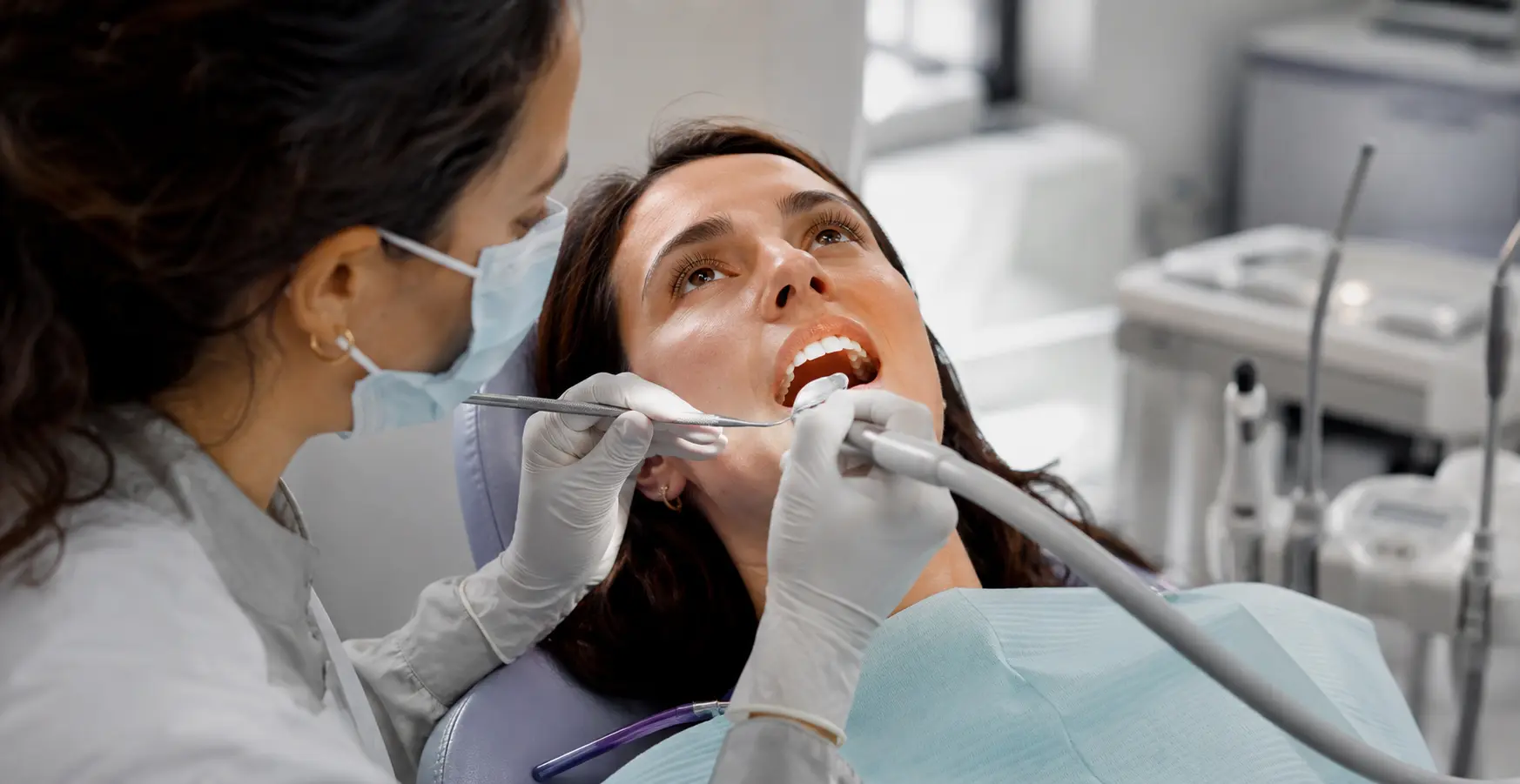
Your dentist just dropped the bomb: you need scaling and root planing, and suddenly that routine cleaning appointment feels like a wake-up call you weren’t expecting.
The startling discovery
Picture this: you’re at the dentist’s office expecting a simple cleaning, when suddenly, the dreaded words ‘scaling and root planing’ are mentioned. Your heart sinks as you realize it’s not just another routine visit. This deep cleaning procedure reaches below the surface, targeting hidden plaque and tartar that could be silently wreaking havoc on your oral health. Maybe you’ve noticed your gums bleeding when you floss, or your breath feels off no matter how much you brush. These are the signals your mouth has been sending, and scaling and root planing is the answer your dentist has identified. The procedure works by removing hardened deposits from below your gum line, places your regular toothbrush simply cannot reach. Think of it like deep cleaning your apartment when surface-level tidying just isn’t cutting it anymore. Young adults often dismiss early gum issues, thinking they’ll resolve on their own, but that’s exactly when intervention matters most.
- Uncover hidden plaque buildup lurking beneath the surface
- Target tartar deposits that brushing alone can’t reach
- Address early signs of gum disease to prevent future complications
Navigating the procedure
As you sit in the dentist’s chair, anticipation and anxiety may creep in, and that’s completely normal. The procedure itself involves thorough cleaning of the teeth and gums, removing hardened deposits and smoothing the root surfaces to help your gums reattach properly. Your dentist will likely use local anesthesia to numb the area, so while you might feel pressure and hear the instruments working, actual pain is minimal. What catches many young adults off guard is the time commitment: scaling and root planing often takes multiple appointments, sometimes spread over several weeks, because your mouth needs time to heal between sessions. During the procedure, you might feel vibrations, hear water spraying, and notice the distinct smell of your own mouth being cleaned intensely. It’s not the most pleasant sensory experience, but knowing what to expect mentally makes it far less intimidating. Some people describe mild discomfort or sensitivity during the process, especially if their gums are already inflamed. Your dentist will check in with you throughout, and you can always ask for a break if needed.
💬 Ready to feel better in 2 minutes?choose where to begin:
Road to recovery
After your appointment, expect your gums to feel tender, almost like they’ve been through a workout. Slight bleeding and swelling are completely normal for the first few days, and you might notice your teeth feel more sensitive to temperature changes. This is temporary and actually a sign that healing is underway. Follow your dentist’s aftercare instructions diligently: gentle brushing with a soft-bristled toothbrush, careful flossing, and using any prescribed antimicrobial mouthwash they recommend. Avoid crunchy, hot, or spicy foods for at least a week, as these can irritate your healing gums. Many young adults make the mistake of returning to aggressive brushing too quickly, thinking they need to compensate for the deep cleaning. Resist that urge. Instead, think of your gums as an injury that needs time to repair. Over the next few weeks, you’ll notice healthier gums, reduced sensitivity, and a brighter smile that reflects improved oral health. Some people see results within days, while others take a few weeks to fully appreciate the difference.
Empowering change
Scaling and root planing isn’t just a dental procedure; it’s a transformative journey toward better oral hygiene and long-term health. By addressing underlying issues early on, you’re setting the stage for a future filled with confident smiles and improved overall well-being. Many young adults realize after this experience that their daily habits need adjustment. Maybe you’ll start flossing regularly when you haven’t in years, or invest in an electric toothbrush that does a better job than your manual one. These small shifts compound over time. This procedure is also a reality check: your mouth is telling you something, and you’ve listened. That’s empowering. Embrace this experience as a positive step toward a healthier you, not as a failure or embarrassment. Your teeth and gums will thank you, and you’ll carry this lesson forward into your thirties, forties, and beyond.
Scaling and root planing, though initially daunting, uncovers hidden threats to your oral health and sets the path for a brighter smile. The procedure’s thorough cleaning and targeted approach can lead to improved gum health and a more confident you.
Does scaling and root planing hurt?
While discomfort and sensitivity are common during the procedure, local anesthesia is used to minimize any pain. Post-procedure, mild tenderness may be experienced, but it is manageable and temporary.
How often should scaling and root planing be done?
The frequency of scaling and root planing depends on individual oral health needs. Your dentist will assess your condition and recommend the appropriate timeline for follow-up treatments.
Others also read:
Disclaimer: This article is for informational purposes only and is not a substitute for professional medical advice. Always consult a healthcare professional for personal guidance.
This article presents an experience-based perspective and has been reviewed by the GlobalHealthBeacon editorial team in 2026. It provides structured, evidence-based information to support informed health decisions.
