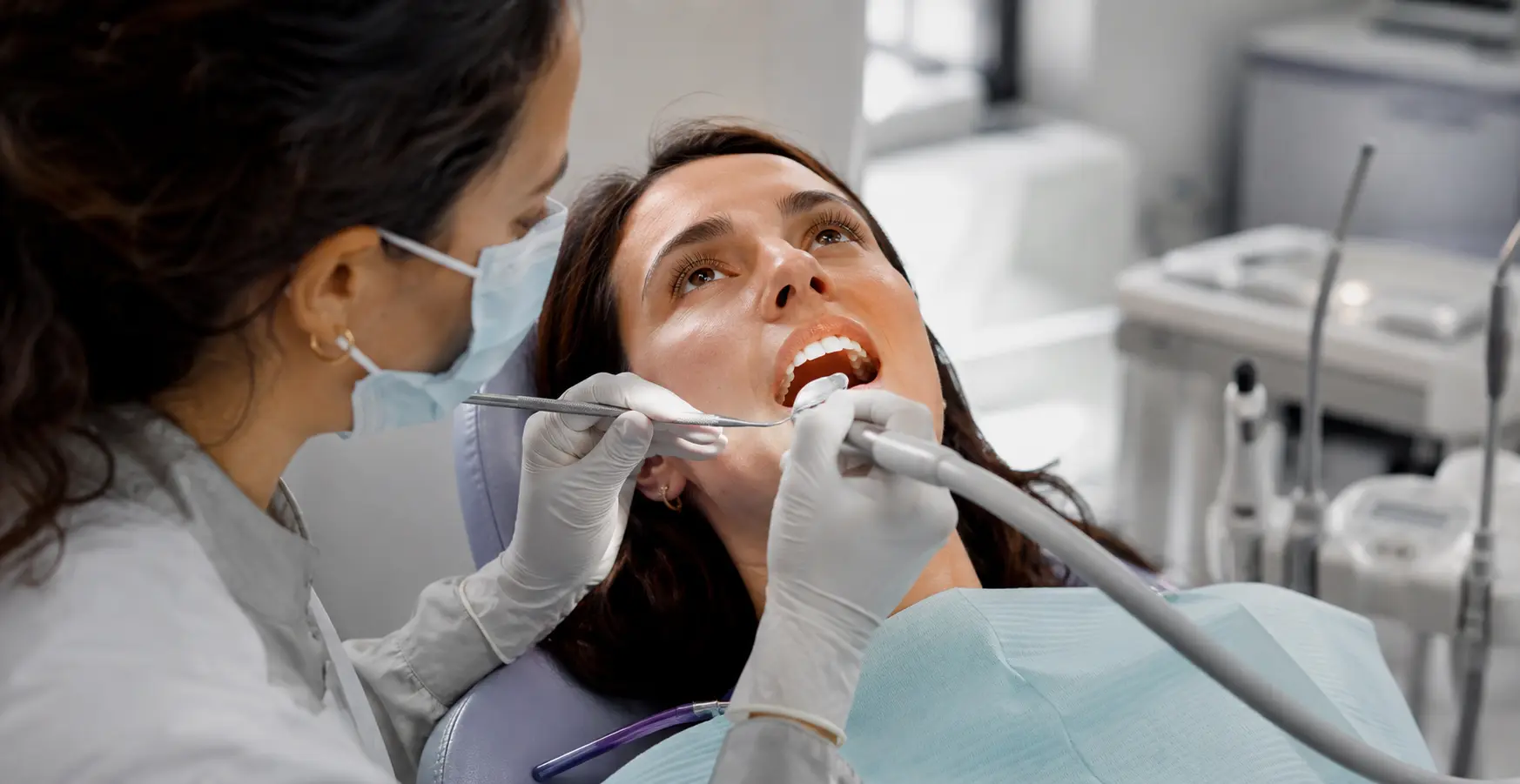
Your gums are bleeding when you brush, your breath feels off, and your dentist just mentioned scaling and root planing like it’s no big deal, but you’re sitting there wondering what that actually means for your teeth and your life.
Decoding scaling and root planing
Scaling and root planing are deep cleaning procedures that target the areas of your mouth where regular brushing simply cannot reach. Think of it this way: your typical dental cleaning handles the surfaces you see in the mirror, but scaling and root planing go below the gumline where bacteria and tartar accumulate in pockets. During scaling, your dentist uses specialized ultrasonic or hand instruments to remove hardened plaque and tartar from both above and below the gumline. Root planing follows by smoothing the root surfaces of your teeth, which removes rough spots where bacteria love to hide and multiply. For seniors, this distinction matters because gum disease progresses differently as we age. Your gums may have receded over decades, creating deeper pockets where infection can take hold. These procedures essentially reset your gum health by eliminating the source of inflammation and giving your body a chance to heal and reattach healthy gum tissue to your teeth.
- Effective removal of plaque and tartar from below the gumline
- Prevention of gum disease progression and tooth loss
- Restoration of gum health through root surface smoothing
What to expect during the procedure
Walking into your appointment, you should know exactly what will happen so there are no surprises. Your dentist will first apply a local anesthetic to numb your gums, which takes about five to ten minutes to fully work. You may feel pressure or vibration from the scaling instruments, but you should not feel pain. The entire process typically takes one to two hours depending on how much buildup is present and how many teeth need treatment. Some dentists complete the work in one visit, while others prefer to split it into two appointments to allow your mouth time to adjust. During the procedure, you might hear a humming sound from ultrasonic scalers or feel a scraping sensation as hand instruments remove tartar. Your mouth may feel tender afterward, similar to the feeling after a deep cleaning. Many seniors find it helpful to bring headphones or ask the dental staff to explain each step beforehand. This reduces anxiety and helps you feel more in control of the experience.
📘 Fix your day in under 2 minuteschoose where to begin:
Aftercare tips for seniors
The days and weeks following your procedure are critical for healing. Your gums will be sensitive, so use a soft-bristled toothbrush and brush gently in circular motions rather than aggressive back-and-forth strokes. Rinse with warm salt water several times daily, especially after meals, to keep the area clean and reduce inflammation. Avoid hot foods and beverages for the first few days, and skip crunchy or hard foods that could irritate healing tissue. Your dentist may prescribe an antimicrobial mouth rinse to use for one to two weeks to prevent infection. Take any prescribed pain relievers as directed, though most people find over-the-counter options like ibuprofen sufficient. Attend all follow-up appointments without fail, as these visits allow your dentist to monitor healing and ensure the procedure worked as intended. Some seniors experience slight bleeding for a few days after treatment, which is normal. However, if bleeding persists beyond a week or you develop signs of infection like increased swelling or pus, contact your dentist immediately.
Potential benefits for seniors
The benefits of scaling and root planing extend far beyond just having cleaner teeth. Seniors who undergo this procedure often experience a significant reduction in gum bleeding and swelling within two to three weeks. Your breath typically improves noticeably as the bacterial infection diminishes. More importantly, you dramatically reduce your risk of losing teeth to advanced gum disease, which becomes increasingly common with age. Studies show that treating gum disease with scaling and root planing can halt or slow the progression of periodontitis, the advanced form that destroys bone supporting your teeth. For seniors, maintaining natural teeth is crucial for nutrition, speech, and quality of life. Beyond oral benefits, treating gum disease may also improve overall health. Research suggests that gum disease is linked to heart disease, diabetes, and respiratory infections, so addressing it could have systemic health advantages. Many seniors report feeling more confident in social situations and more comfortable eating their favorite foods after successful treatment.
Consultation and decision making
Before committing to scaling and root planing, schedule a thorough consultation with your dentist to understand your specific situation. Ask your dentist to explain exactly what they found during your examination, such as pocket depth measurements and areas of concern. Request information about alternative treatments if any exist for your condition. Discuss the timeline for healing and what results you can realistically expect. If you take blood thinners or have other health conditions, inform your dentist so they can adjust their approach if needed. Ask about cost and whether your insurance covers the procedure, as this affects your decision-making. Consider getting a second opinion if you feel uncertain, especially if the procedure is extensive or costly. Your dentist should be willing to answer all your questions without rushing you. Remember that delaying treatment for gum disease typically makes it worse and more expensive to treat later. However, this decision should feel right for you personally, based on your health goals and circumstances.
Scaling and root planing procedures offer effective plaque and tartar removal, gum health restoration, and prevention of gum disease progression for seniors. Understanding the procedure, following proper aftercare instructions, and maintaining regular dental visits are crucial steps in preserving your natural teeth and overall oral health as you age.
Is scaling and root planing painful?
Most patients experience minimal discomfort during scaling and root planing as local anesthesia is used to numb the gums. After the procedure, any mild discomfort can be managed with over-the-counter pain relievers.
How often should seniors have scaling and root planing?
The frequency of scaling and root planing depends on the severity of gum disease. Seniors with periodontal issues may require more frequent cleanings, while those with milder conditions may need the procedure less often.
Others also read:
Disclaimer: This article is for informational purposes only and is not a substitute for professional medical advice. Always consult a healthcare professional for personal guidance.
This guide has been prepared and reviewed by the GlobalHealthBeacon editorial team and reflects current medical research as of 2026. It provides structured, evidence-based information to support informed health decisions.
