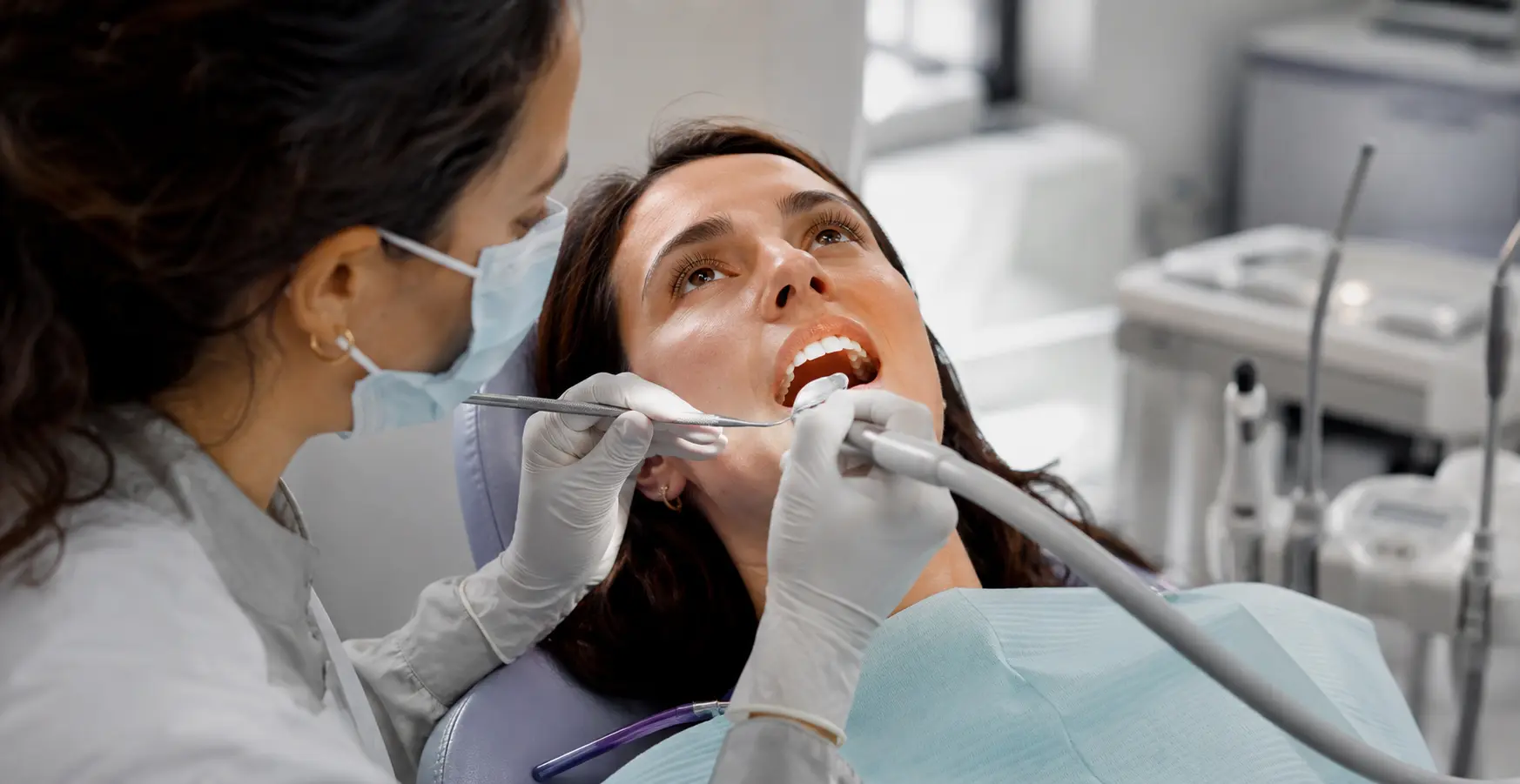
Your gums bleed when you brush, your breath feels off, and something just feels wrong in your mouth – scaling and root planing might be exactly what your dentist has been trying to tell you about.
Understanding scaling and root planing
Scaling and root planing represent two interconnected deep cleaning techniques that work together to address the root cause of gum disease. Think of scaling as the first line of defense: your dentist uses specialized instruments to carefully remove plaque and tartar buildup that has accumulated both above the gumline (the visible part) and below it in the pockets between your teeth and gums. Root planing follows as the second phase, where the tooth roots themselves are smoothed and cleaned to eliminate rough surfaces where bacteria love to hide and multiply. Without these procedures, the bacterial colonies continue to thrive in those deep pockets, releasing toxins that trigger inflammation and gradually destroy the bone and tissue supporting your teeth. For many seniors, this procedure becomes necessary after years of plaque accumulation that regular brushing alone cannot address. The process essentially resets your oral environment, giving your gums a fighting chance to heal and reattach to your teeth.
The role of bacteria in gum disease
Gum disease doesn’t happen overnight, and it’s not simply about poor brushing habits. The real culprit is a complex community of harmful bacteria that colonize the spaces around your teeth, particularly in those deepening pockets that form as gums recede. These bacteria are remarkably sophisticated organisms that produce acids and toxins as byproducts of their metabolism. When your immune system detects these toxins, it triggers an inflammatory response designed to fight the infection, but this same inflammation is what causes the redness, swelling, and bleeding you notice when you brush or floss. Over time, this chronic inflammation damages the periodontal ligament and bone that anchor your teeth. What makes this process particularly insidious for seniors is that it often progresses silently for years before symptoms become obvious. You might not realize the damage is happening until your dentist points out the deepening pockets during a routine exam. Understanding this bacterial mechanism helps explain why scaling and root planing work: by removing the bacterial biofilm and smoothing the surfaces where bacteria attach, the procedure interrupts this destructive cycle.
The procedure: what to expect
Walking into a scaling and root planing appointment, you’ll likely feel some natural nervousness, but understanding what happens step by step can ease that anxiety significantly. Your dentist begins by applying a local anesthetic to numb the treatment area, ensuring you won’t feel sharp pain during the procedure, though you may feel pressure and vibration. The scaling phase involves using an ultrasonic scaler (which vibrates at high frequency) or hand instruments to methodically remove hardened tartar deposits from tooth surfaces and deep below the gumline where your toothbrush cannot reach. This part typically takes the longest because your dentist must be thorough yet gentle to avoid damaging the tooth structure. After scaling comes root planing, where specialized curettes smooth the root surfaces that have become rough from bacterial damage and tartar accumulation. This smoothing is crucial because it removes the microscopic irregularities where bacteria preferentially attach. Depending on the extent of your gum disease, this work may be completed in one appointment or spread across multiple visits to allow different areas to heal between sessions. Your dentist will explain their specific approach based on your individual situation.
- Your dentist will numb the area with a local anesthetic for a comfortable experience.
- Specialized tools will be used to remove buildup and smooth the roots.
- Follow your dentist’s post-procedure instructions for proper healing and maintenance.
🔬 Science-backed benefits in 2 minuteschoose where to begin:
Benefits of scaling and root planing
The benefits of scaling and root planing extend far beyond just having cleaner teeth. By removing the bacterial biofilm and toxins, the procedure allows your gums to stop fighting a losing battle against infection. Many patients report that their gums stop bleeding within days or weeks after treatment, which is often the first sign that healing is occurring. The inflammation subsides as your immune system no longer needs to mount a constant defensive response, and your gums begin to reattach to your teeth, reducing those dangerous pockets that harbor bacteria. For seniors particularly, this procedure can be the difference between keeping your natural teeth and facing tooth loss that would require dentures or implants. Beyond oral health, research suggests that controlling gum disease may have systemic benefits, as chronic oral infections have been linked to cardiovascular and metabolic health concerns. The procedure essentially gives your mouth a reset, stopping the progression of disease and creating conditions where your natural healing mechanisms can work effectively. Regular maintenance after the initial procedure helps prevent the disease from returning.
Recovery and aftercare tips
After your scaling and root planing appointment, expect some mild discomfort and tooth sensitivity for a few days to a couple of weeks as your gums heal and your teeth adjust. This sensitivity occurs because the procedure exposes areas of your teeth that were previously covered by tartar and inflamed gum tissue. Your dentist will likely recommend avoiding very hot, cold, or hard foods immediately after treatment and suggest using a soft-bristled toothbrush to prevent irritating healing tissues. Maintaining meticulous oral hygiene becomes even more important now, as your gums are in a vulnerable healing state. Gentle brushing with a fluoride toothpaste and careful flossing help prevent new bacterial colonization while supporting the healing process. Many dentists recommend antimicrobial rinses during the initial healing phase to reduce bacterial load in your mouth. Attend all follow-up appointments so your dentist can monitor your healing progress and check whether the pockets are reducing in depth. Long-term success depends on your commitment to daily oral hygiene and regular professional cleanings, typically every three to four months initially, then adjusted based on your response.
Potential risks and complications
While scaling and root planing are generally safe procedures with a strong track record, it’s important to understand that like any dental treatment, some risks exist. Temporary tooth sensitivity is the most common side effect, occurring because the procedure removes the protective tartar layer and exposes the root surface. Some patients experience mild gum recession, where the gum tissue pulls back slightly from the tooth, though this is usually minimal and often preferable to the alternative of progressive gum disease. Infection is rare but possible if post-procedure care instructions aren’t followed carefully, so maintaining excellent oral hygiene during healing is essential. Occasionally, patients report some discomfort that extends beyond the expected recovery period, which should be reported to your dentist immediately. For seniors taking blood thinners or with certain medical conditions, your dentist needs to know beforehand to take appropriate precautions. The key to minimizing risks is clear communication with your dental team about your health history, following all aftercare instructions precisely, and reporting any unusual symptoms promptly rather than waiting to see if they resolve on their own.
Scaling and root planing represent a scientifically-grounded approach to treating gum disease by addressing the bacterial infection at its source. For seniors concerned about maintaining their natural teeth, understanding how these procedures work, what to expect during treatment, and how to support healing afterward empowers you to make informed decisions about your oral health. The procedure is well-established, generally safe, and often marks a turning point where gum disease progression stops and healing begins. Your commitment to post-treatment care and regular maintenance appointments determines long-term success.
Is scaling and root planing painful?
Your dentist will use a local anesthetic to numb the area, ensuring minimal discomfort during the procedure. You may feel pressure and vibration from the instruments, but not sharp pain. Some mild discomfort and sensitivity are normal for a few days afterward as your gums heal.
How often should scaling and root planing be done?
The frequency of scaling and root planing depends on the severity of your gum disease and how well you maintain oral hygiene at home. Your dentist will recommend a personalized schedule, often starting with more frequent cleanings every three to four months, then adjusting based on your gum health response.
Others also read:
Disclaimer: This article is for informational purposes only and is not a substitute for professional medical advice. Always consult a healthcare professional for personal guidance.
This article has been prepared and reviewed by the GlobalHealthBeacon editorial team and is based on current medical research and published scientific literature available in 2026. It provides structured, evidence-based information to support informed health decisions.
