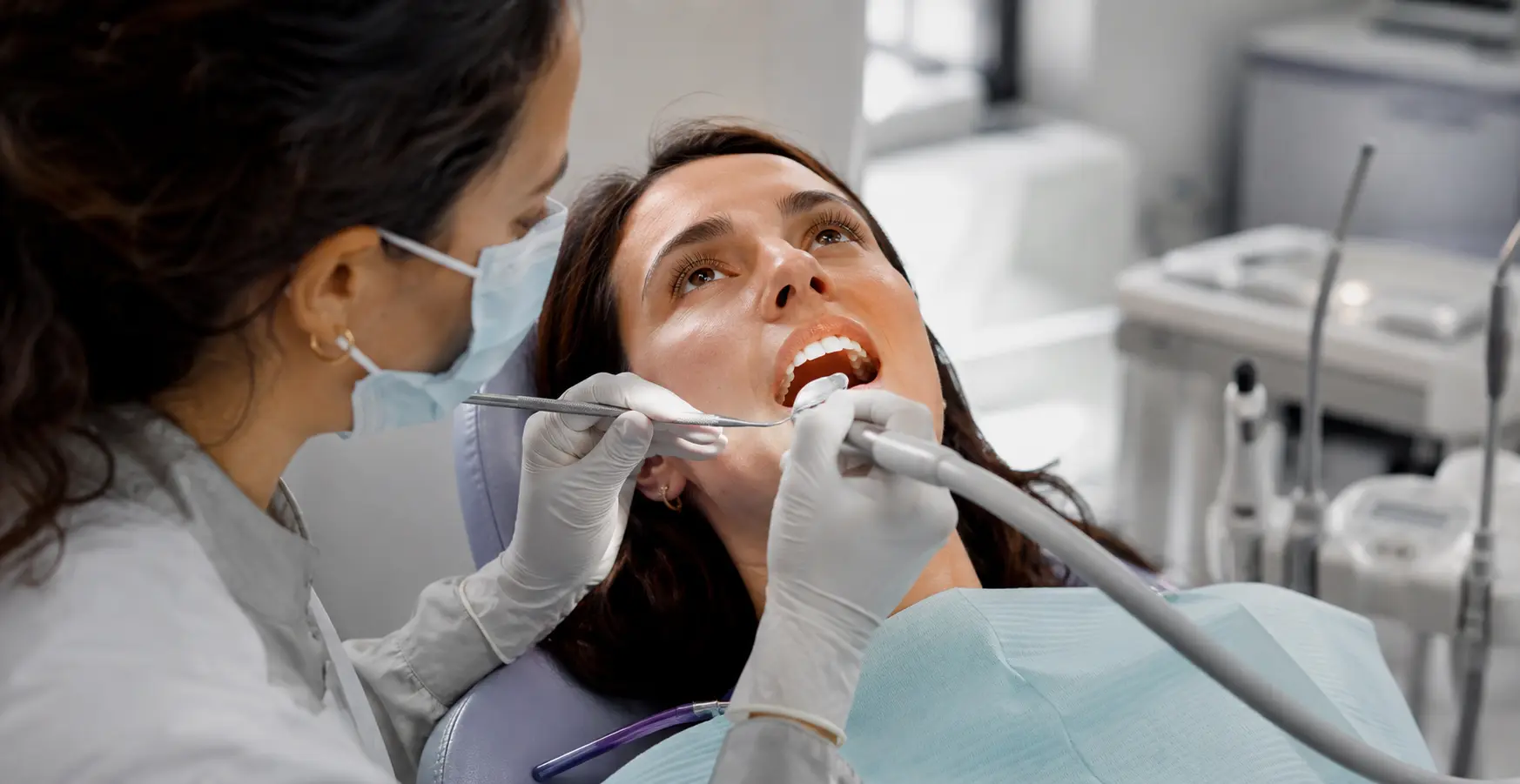
Your gums are bleeding when you brush, your breath feels off, and you’re starting to wonder if you’ve let things slide too far – but scaling and root planing might be exactly what your mouth needs to bounce back.
Understanding scaling and root planing
Scaling and root planing are two complementary procedures that work together to restore gum health. Scaling is the process where a dental professional uses specialized instruments to carefully remove plaque and tartar buildup from the tooth surface and below the gumline, where a regular toothbrush cannot reach. Root planing follows by smoothing the root surfaces of the teeth, which helps the gum tissue reattach more effectively to the tooth. Think of it like this: if plaque is a sticky film that hardens into tartar, scaling removes that hardened buildup, while root planing creates a smoother surface that encourages your gums to heal and reattach properly. For young adults, understanding this distinction matters because early intervention can prevent the progression from mild gum inflammation to more serious periodontal disease. The procedures are typically performed under local anesthesia, so you remain comfortable throughout.
Causes of gum disease
Gum disease develops when bacteria in your mouth aren’t properly controlled, and this usually starts with inconsistent oral hygiene habits. When you skip flossing or brush too quickly, plaque accumulates along the gumline and between teeth. Over time, this plaque hardens into tartar, which your toothbrush cannot remove. Bacteria thrive in these deposits, releasing toxins that trigger inflammation and cause your gums to swell, bleed, and pull away from your teeth. Young adults often underestimate how quickly this can happen, especially during busy periods like college or early career years when routines get disrupted. Certain factors accelerate the process: smoking, stress, hormonal changes, and even genetics play a role. What starts as simple gingivitis (reversible gum inflammation) can progress to periodontitis (irreversible damage to the bone supporting your teeth) if left untreated. The key insight is that gum disease is largely preventable and manageable when caught early.
Steps for effective scaling and root planing
The process begins with a consultation where your dentist evaluates your gum health using measurements called probing depths, which indicate how far bacteria have penetrated below the gumline. During the scaling phase, your dental professional uses an ultrasonic scaler or hand instruments to methodically remove tartar deposits from above and below the gumline. This can take one or more appointments depending on the severity of buildup. You might hear a humming sound and feel vibrations, but anesthesia keeps discomfort minimal. Root planing follows, where the tooth roots are smoothed to eliminate rough areas where bacteria hide. This step is crucial because it creates an environment where your gum tissue can reattach. After treatment, your dentist will discuss a maintenance plan tailored to your specific needs. For young adults, this typically means more frequent cleanings initially, then transitioning to standard intervals once gum health improves. The entire process is a partnership between you and your dental team.
- Consult with a dental professional for evaluation
- Undergo scaling to remove plaque and tartar
- Follow up with root planing for smoother tooth surfaces
🔬 Science-backed benefits in 2 minuteschoose where to begin:
Benefits of scaling and root planing
The benefits extend far beyond just having cleaner teeth. By removing the bacterial buildup and toxins, these procedures reduce inflammation, which means your gums stop bleeding and swelling decreases noticeably. Many young adults report that their gums feel healthier within weeks of treatment. The procedures halt the progression of gum disease, preventing the bone loss that leads to tooth mobility and eventual tooth loss. Smoother root surfaces also make it harder for bacteria to recolonize, giving you a real chance to maintain improvements with better home care. Beyond oral health, research suggests that controlling gum disease may have systemic benefits, as oral bacteria can enter the bloodstream. For young adults thinking long-term, investing in these procedures now means preserving your natural teeth for decades to come. You’re essentially resetting your gum health and giving yourself a fresh start with proper maintenance habits.
Post-treatment care
After scaling and root planing, your gums need time to heal, which typically takes one to two weeks. During this period, you might experience mild sensitivity or slight discomfort, managed easily with over-the-counter pain relief if needed. Your dentist will provide specific instructions: avoid hard, crunchy, or hot foods initially, and be gentle when brushing near treated areas. Rinsing with warm salt water several times daily can soothe healing tissue. The real work begins after healing when you establish a rigorous home care routine. This means brushing twice daily with a soft-bristled toothbrush, flossing daily without fail, and using an antimicrobial mouthwash if recommended. Many young adults find that electric toothbrushes and water flossers make these habits easier to maintain. Your dentist will schedule follow-up visits to monitor healing and may recommend more frequent professional cleanings initially. Think of post-treatment care as the foundation that determines whether your investment in scaling and root planing pays off long-term.
The science behind gum health
Your gums are far more important than most people realize. They form a protective seal around your teeth, preventing bacteria from reaching the bone and tissues underneath. When gums are healthy, they fit snugly against each tooth, creating a barrier that’s difficult for pathogens to breach. The gum tissue itself is constantly renewing, with cells turning over every few days, which means your body is actively working to maintain this defense system. Understanding this helps explain why scaling and root planing work: by removing the bacterial challenge, you allow your gums to heal and rebuild this protective seal. For young adults, this knowledge is empowering because it shifts the perspective from viewing gum disease as something that just happens to recognizing it as a manageable condition rooted in bacterial overgrowth. The science shows that with proper intervention and maintenance, your gums can recover remarkable resilience. Your mouth has an incredible capacity to heal when given the right conditions.
Scaling and root planing are evidence-based procedures that address the root cause of gum disease by removing bacterial buildup and creating conditions for tissue healing. Young adults who understand the science behind these procedures gain the knowledge needed to take control of their oral health. By combining professional treatment with consistent home care, you can prevent complications and preserve your natural teeth for life.
Is scaling and root planing painful?
During scaling and root planing, local anesthesia is used to ensure that patients are comfortable and do not experience pain. While there may be slight discomfort after the procedures, pain is typically minimal. Most patients describe the sensation as pressure or vibration rather than pain. If you have dental anxiety, discuss this with your dentist beforehand; they can adjust anesthesia or break treatment into multiple shorter appointments.
How often should scaling and root planing be done?
The frequency of scaling and root planing depends on the individual’s oral health needs. In general, these procedures are recommended every 6 months to 1 year for individuals with gum disease or a history of periodontal issues. Some patients with severe disease may need treatment every 3 to 4 months initially. Your dentist will assess your gum health at each visit and adjust the schedule based on how well you’re responding to treatment and maintaining home care.
Others also read:
Disclaimer: This article is for informational purposes only and is not a substitute for professional medical advice. Always consult a healthcare professional for personal guidance.
This article has been prepared and reviewed by the GlobalHealthBeacon editorial team and is based on current medical research and published scientific literature available in 2026. It provides structured, evidence-based information to support informed health decisions.
