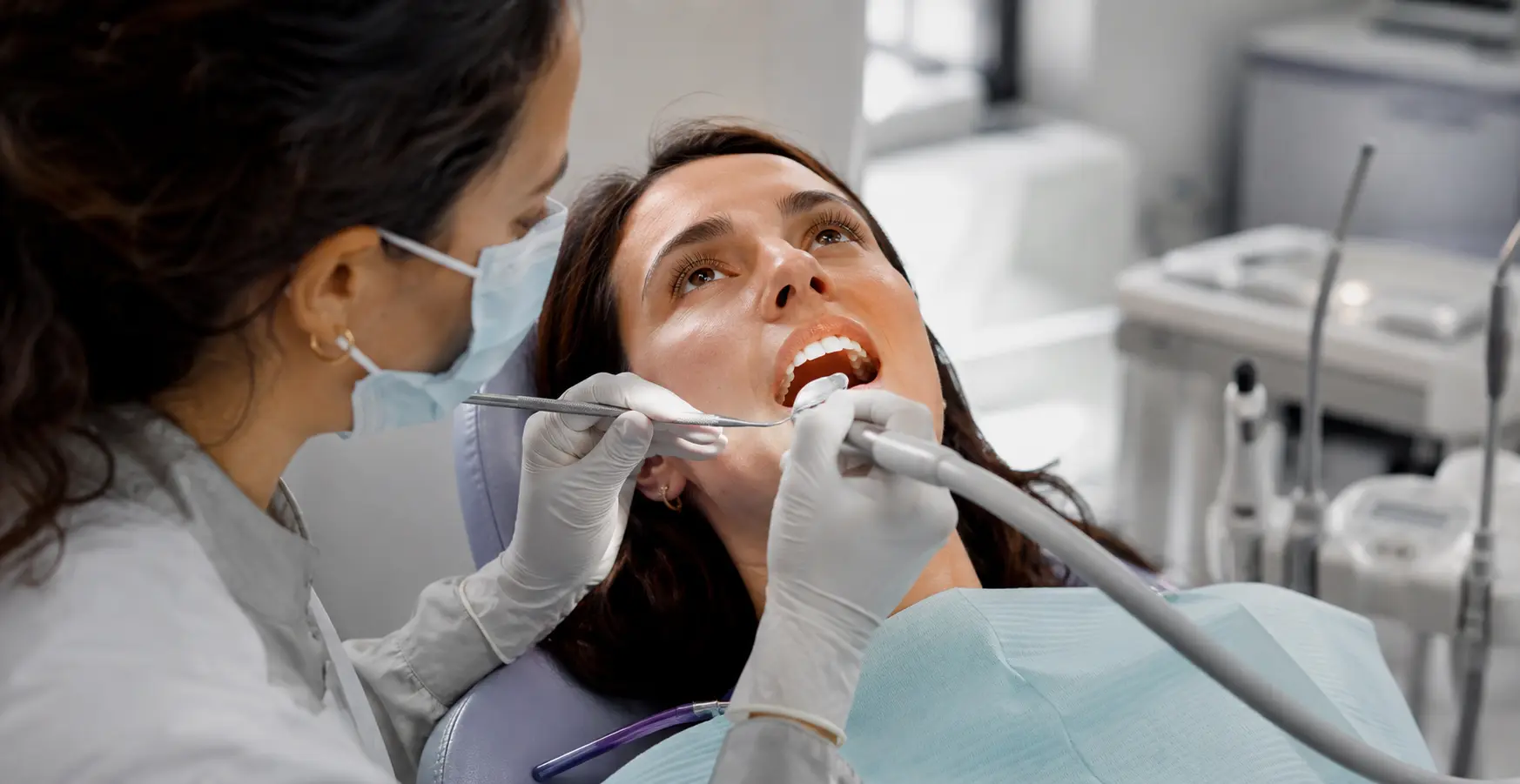
You’re brushing your teeth and your gums start bleeding, your breath never feels fresh no matter how much you floss, and you catch yourself covering your mouth when you laugh with friends, but scaling and root planing might finally be the breakthrough your smile has been waiting for.
The road to recovery
After your scaling and root planing procedure, expect some tenderness in your gums as they begin healing. This discomfort typically lasts a few days and is completely normal. Think of it like your gums are recovering from a deep clean that removes years of buildup below the surface. You might notice slight swelling or sensitivity when eating or drinking, especially with hot or cold foods. This is your body’s natural response to the treatment. Follow your dentist’s aftercare instructions closely because proper healing prevents complications and sets you up for long-term success. Many women find that taking over-the-counter pain relievers as directed and being gentle with their mouth during this window makes all the difference in their recovery experience.
- Use a gentle toothbrush to clean your teeth and gums without causing irritation.
- Rinse your mouth with salt water to reduce inflammation and promote healing.
- Avoid consuming hard, sticky, or spicy foods that could aggravate your sensitive gums.
Embracing the results
Within days of your procedure, you’ll start noticing real changes. Your breath feels fresher because the bacteria and tartar causing odor have been removed. Your teeth look noticeably brighter and cleaner, and that sticky film you felt constantly is gone. Many women describe this moment as a turning point where they finally feel proud of their smile again. You might catch yourself smiling more freely in photos or laughing without self-consciousness. These visible improvements aren’t just cosmetic either. They signal that your gums are healing and inflammation is decreasing, which means your mouth is actually becoming healthier underneath. This is the reward for pushing through the procedure and following aftercare instructions. It’s worth celebrating these wins because they motivate you to maintain the progress you’ve worked hard to achieve.
💬 Ready to feel better in 2 minutes?choose where to begin:
Maintaining long-term gum health
Scaling and root planing gives your gums a fresh start, but maintaining that progress requires consistent daily habits. Think of it like getting your house deep cleaned and then keeping it tidy so it never gets that bad again. Brush twice daily with a soft-bristled toothbrush, floss every single day, and attend dental check-ups every six months or as your dentist recommends. Many women find that adding an antimicrobial mouthwash to their routine provides extra protection against plaque buildup. The key is building these habits into your daily life so they become automatic rather than a chore. Some women set phone reminders or keep their floss visible on the bathroom counter as visual cues. Others schedule their dental appointments immediately after finishing one so they stay on track. Long-term gum health isn’t about perfection, it’s about consistency and catching small issues before they become big problems again.
Overcoming dental anxiety
If the thought of scaling and root planing makes your stomach tighten, you’re not alone. Many women experience dental anxiety, and it’s nothing to feel embarrassed about. The good news is your dentist has tools and techniques specifically designed to help you feel comfortable. Talk openly about your fears before the appointment because dentists can offer numbing options, sedation, or break the procedure into multiple shorter visits if that feels better. Some women find that bringing headphones and listening to music or a podcast during treatment helps them stay calm and distracted. Others prefer knowing exactly what’s happening step by step, so asking your dentist to explain the process beforehand reduces the unknown. Taking care of your oral health is an act of self-care and self-respect, and you deserve to feel supported through the process.
Scaling and root planing may initially cause gum tenderness but lead to fresher breath, brighter teeth, and improved gum health. By following proper aftercare and maintaining good oral hygiene habits, you can enjoy the long-term benefits of this deep cleaning procedure.
Is scaling and root planing painful?
During the procedure, your dentist will numb your gums to minimize discomfort. Afterward, you may experience some tenderness, but this can be managed with over-the-counter pain relievers and proper aftercare.
How often should scaling and root planing be done?
The frequency of scaling and root planing depends on the severity of your gum disease. Your dentist will recommend a personalized treatment plan, which may include follow-up visits every 3-6 months.
Others also read:
Disclaimer: This article is for informational purposes only and is not a substitute for professional medical advice. Always consult a healthcare professional for personal guidance.
This article presents an experience-based perspective and has been reviewed by the GlobalHealthBeacon editorial team in 2026. It provides structured, evidence-based information to support informed health decisions.
