Your gums are bleeding when you brush, your breath smells no matter what you do, and you can feel something is seriously wrong below the surface – scaling and root planing is the deep dental cleaning procedure that actually stops gum disease in its tracks.
Understanding scaling and root planing
Scaling and root planing is a non-surgical procedure that targets the hidden battle happening beneath your gumline. Unlike a regular cleaning that focuses on your tooth surfaces, this treatment goes deep into the pockets where your gums have pulled away from your teeth. Your dentist uses specialized instruments to carefully remove hardened plaque and tartar that regular brushing simply cannot reach. Think of it like cleaning out the gutters of your house – you need special tools to get into those tight spaces where debris accumulates. For seniors, this procedure becomes increasingly important because gum disease progresses silently over years. You might not notice anything is wrong until significant damage has occurred. The bacteria living below your gumline release toxins that destroy the bone supporting your teeth, which is why early intervention matters so much.
- Targets bacteria and plaque buildup below the gumline
- Helps prevent gum disease progression
- Reduces the risk of tooth loss and restores gum health
Preparing for the procedure
Getting ready for scaling and root planing starts with an honest conversation with your dentist about your complete health picture. If you take blood thinners for heart conditions, manage diabetes, or have any autoimmune disorders, your dentist needs to know because these affect how your gums heal. Bring a list of all medications and supplements you are taking, including over-the-counter pain relievers and vitamins. Some seniors worry about taking antibiotics before the procedure – your dentist will advise whether this is necessary based on your individual risk factors. In the days leading up to your appointment, maintain your normal brushing and flossing routine, even if your gums are tender or bleeding. Avoid smoking and alcohol for at least 24 hours before treatment, as these interfere with healing. Eat a light meal before your appointment so you do not feel faint from sitting in the chair for an extended period.
📘 Fix your day in under 2 minuteschoose where to begin:
During the treatment
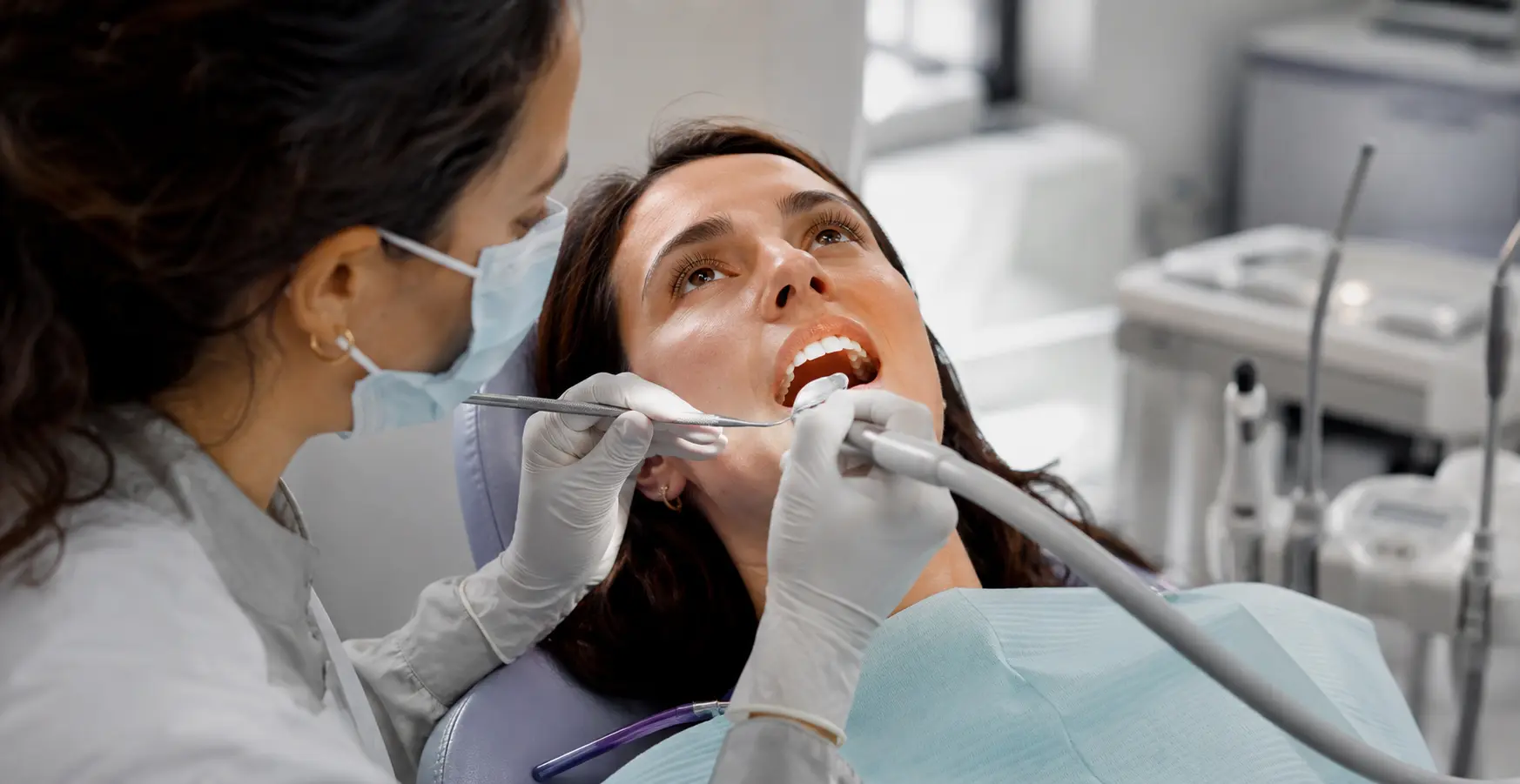
The procedure typically unfolds over multiple visits, usually two to four appointments spaced a week or two apart. Your dentist divides your mouth into sections and focuses on one or two areas per visit, allowing each section to heal before moving to the next. During each appointment, your dentist applies a local anesthetic to numb the treatment area – you will feel pressure and vibration but not sharp pain. The scaling phase removes the hard tartar buildup using an ultrasonic scaler that vibrates at high frequency to break apart deposits. Then comes root planing, where your dentist smooths the root surfaces of your teeth to remove rough spots where bacteria hide. You might hear water spraying and feel suction in your mouth as your dentist works. The entire process for one section usually takes 30 to 60 minutes. Some seniors describe a slight metallic taste or feel minor discomfort, but most find the procedure manageable with proper anesthesia.
Aftercare and recovery
After your scaling and root planing appointment, your gums need time to heal and reattach to your teeth. For the first 24 hours, avoid hot foods and drinks, stick to soft foods like yogurt or soup, and do not use a straw because the suction can disturb the treatment area. Your gums may feel tender, look slightly swollen, or bleed a little when you brush – this is normal and typically resolves within a few days. Starting the day after treatment, rinse gently with warm salt water several times daily to reduce inflammation and promote healing. Use a soft-bristled toothbrush and be extra gentle around treated areas. Your dentist may recommend an antimicrobial rinse to reduce bacteria while your gums heal. Avoid strenuous exercise for a few days and do not smoke or use tobacco products, which significantly slow healing. Attend all follow-up appointments as scheduled – these visits allow your dentist to monitor your progress and ensure your gums are healing properly.
Benefits of scaling and root planing
The benefits of scaling and root planing extend far beyond your mouth. By removing the source of infection and inflammation, you reduce your risk of tooth loss significantly – studies show that untreated gum disease is a leading cause of tooth loss in seniors. Your gums will stop bleeding during brushing as inflammation decreases, and that persistent bad breath typically improves within weeks. Beyond oral health, treating gum disease reduces systemic inflammation in your body, which has been linked to heart disease, stroke, and diabetes complications. Many seniors report feeling more confident about their smile and less self-conscious about their breath after treatment. Your teeth may feel slightly more sensitive to temperature for a few weeks as the root surfaces are exposed, but this usually fades as your gums heal and reattach. Most importantly, scaling and root planing gives you a real chance to keep your natural teeth for life, maintaining your ability to eat the foods you enjoy and speak clearly without worrying about loose or missing teeth.
Scaling and root planing is a vital treatment for seniors to combat gum disease and prevent tooth loss. This deep dental cleaning procedure targets bacteria below the gumline, promoting gum health and overall wellness.
Is scaling and root planing a painful procedure?
Scaling and root planing may cause some discomfort, but your dentist can use anesthesia to numb the area and make you feel more comfortable during the treatment.
How often should seniors undergo scaling and root planing?
The frequency of scaling and root planing depends on your individual oral health needs. Your dentist will recommend the appropriate intervals based on the severity of your gum disease.
Others also read:
Disclaimer: This article is for informational purposes only and is not a substitute for professional medical advice. Always consult a healthcare professional for personal guidance.
This guide has been prepared and reviewed by the GlobalHealthBeacon editorial team and reflects current medical research as of 2026. It provides structured, evidence-based information to support informed health decisions.
