Your gums bleed when you brush, your teeth ache when you bite into anything cold, and that persistent bad breath won’t quit no matter how much you floss, so your dentist finally mentions scaling and root planing as the solution you’ve been needing.
What is scaling and root planing?
Scaling and root planing is a deep cleaning procedure that goes where your regular toothbrush simply cannot reach. A dentist or dental hygienist uses specialized instruments to carefully remove plaque and tartar buildup that has accumulated below your gumline, where bacteria thrive and cause inflammation. Think of it as a thorough housecleaning for your mouth. Once the buildup is removed, they smooth out the tooth roots to create a surface where your gums can reattach properly and heal. For many seniors, this procedure becomes a turning point, especially when gum disease has been silently progressing for years without obvious symptoms until suddenly your dentist mentions bone loss or tooth mobility.
- Reduces inflammation and bleeding in the gums
- Prevents tooth loss by addressing gum disease early
- Promotes better breath and overall oral hygiene
The procedure details
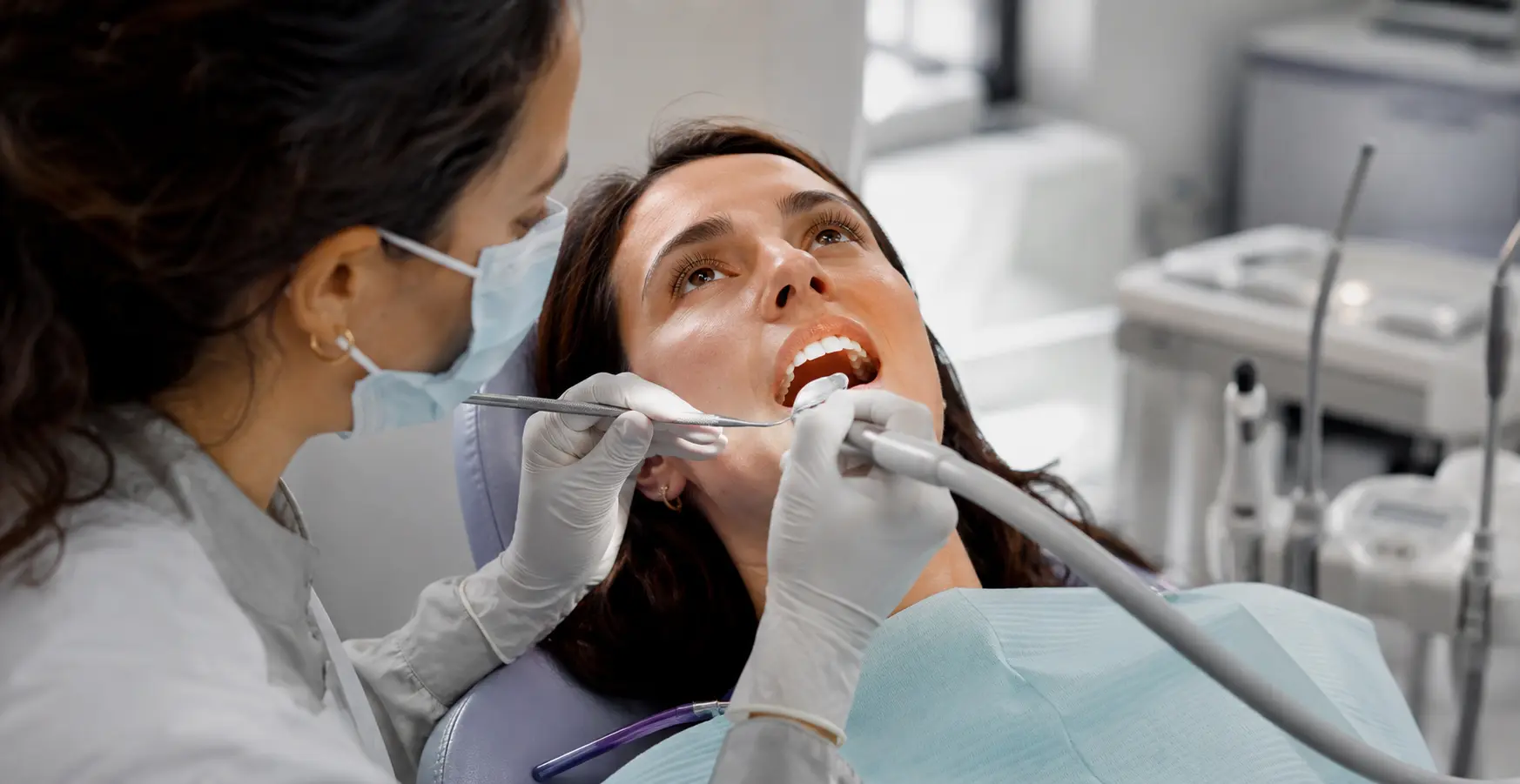
Walking into the dental office for scaling and root planing, you might feel a mix of relief and nervousness. Your dentist will apply local anesthesia to numb the area so you stay comfortable throughout. Using ultrasonic scalers and hand instruments, they methodically work below the gumline, breaking up stubborn tartar deposits that have hardened over time. You might hear buzzing sounds and feel vibrations, but the anesthesia keeps pain at bay. The entire process focuses on smoothing the root surfaces so bacteria cannot easily reattach. Depending on how much buildup exists, this might take one visit or several appointments spaced a few weeks apart. Many seniors find that spreading the procedure over multiple visits feels less overwhelming and allows their gums to heal gradually between sessions.
💬 Ready to feel better in 2 minutes?choose where to begin:
Recovery and follow-up care
After your procedure, expect some sensitivity and mild discomfort for a few days as your gums begin healing. Your dentist will likely recommend using a soft-bristled toothbrush and being extra gentle when cleaning your teeth. Flossing should continue, but with care and patience rather than aggressive motions. A mild, alcohol-free mouthwash can help reduce bacteria while your gums recover. You might notice slight swelling or tenderness when eating hot or cold foods, which is completely normal. Follow-up appointments are essential because your dentist needs to monitor how well your gums are reattaching and ensure no pockets remain where bacteria could hide again. Many seniors report that by the second or third week, they feel noticeably better and start enjoying foods they had been avoiding.
Maintenance and long-term benefits
The real work begins after your procedure ends, because maintaining what your dentist accomplished requires consistent daily effort. Brushing twice daily with a soft toothbrush, flossing every single day, and using mouthwash become non-negotiable habits if you want to prevent gum disease from returning. Professional cleanings every three to six months help catch any early signs of trouble before they escalate. Many seniors who commit to this routine experience remarkable improvements: gums stop bleeding, tooth sensitivity decreases significantly, and that chronic bad breath finally disappears. Some even notice their teeth feel more stable and secure. The investment in scaling and root planing pays dividends when you stick with the maintenance plan, transforming your oral health and allowing you to enjoy meals and social interactions without worry or discomfort.
Scaling and root planing is an effective treatment for gum disease, reducing inflammation, preventing tooth loss, and promoting better oral hygiene. The procedure involves deep cleaning below the gumline and smoothing the tooth roots to improve gum health and overall comfort.
Is scaling and root planing painful?
Local anesthesia is used during scaling and root planing to minimize discomfort. While some sensitivity may be experienced post-procedure, it is generally well-tolerated and offers long-term benefits.
How often should I have scaling and root planing?
The frequency of scaling and root planing depends on your individual oral health needs. Your dentist will assess your condition and recommend a personalized treatment plan.
Others also read:
Disclaimer: This article is for informational purposes only and is not a substitute for professional medical advice. Always consult a healthcare professional for personal guidance.
This article presents an experience-based perspective and has been reviewed by the GlobalHealthBeacon editorial team in 2026. It provides structured, evidence-based information to support informed health decisions.
