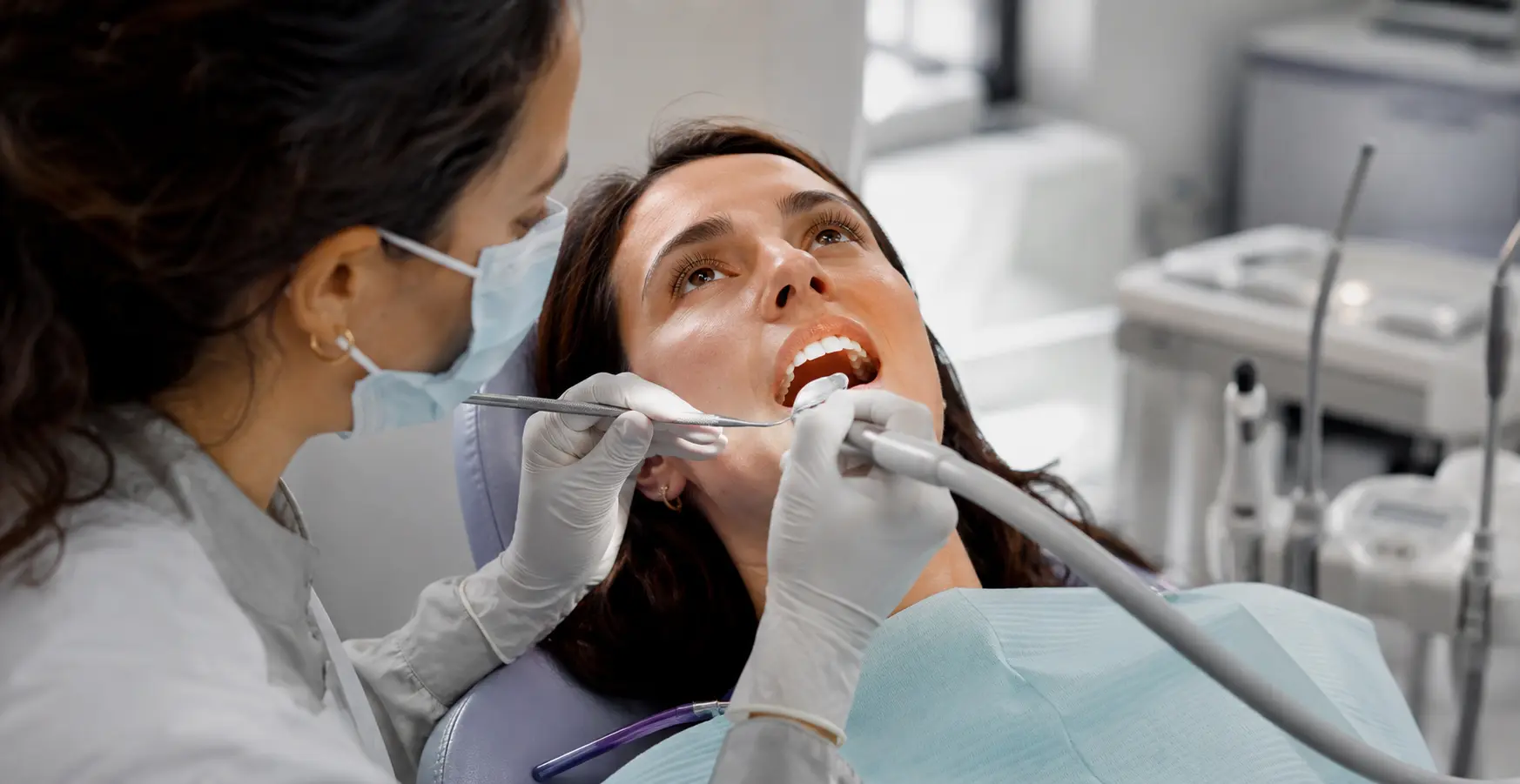
Your gums feel tender, your breath doesn’t feel fresh no matter how much you brush, and you notice bleeding when you floss – scaling and root planing is the deep-cleaning procedure that actually addresses what’s hiding beneath the surface.
The science behind scaling and root planing
Scaling and root planing is a non-surgical periodontal procedure that targets the areas of your teeth and gums that regular brushing simply cannot reach. During the scaling phase, a dental professional uses specialized instruments to carefully remove hardened tartar and plaque deposits from both the visible tooth surfaces and below the gumline, where bacteria thrive in pockets that form as gum disease progresses. The root planing phase follows, smoothing the root surfaces of your teeth to create an environment where gum tissue can reattach and heal properly. Think of it like this: if your teeth were a house, regular brushing cleans the front door and windows, but scaling and root planing addresses the foundation and hidden corners where damage accumulates. The procedure works because bacteria cannot easily colonize smooth surfaces the way they do on rough, tartar-covered roots. For women specifically, understanding this biological process matters because hormonal fluctuations can accelerate gum tissue breakdown, making these deep-cleaning interventions particularly valuable during certain life stages.
Benefits of scaling and root planing
This procedure delivers measurable benefits by interrupting the cycle of gum disease progression. When tartar and plaque are removed from deep pockets, inflammation decreases because the bacterial load triggering your immune response drops significantly. Your gums begin healing because the irritating deposits are gone, and the smoothed root surfaces allow gum tissue to reattach to teeth rather than continuing to recede. Beyond inflammation control, scaling and root planing helps preserve the bone and connective tissue that anchor your teeth, which directly prevents tooth mobility and eventual tooth loss. Women often experience accelerated gum deterioration during pregnancy, perimenopause, and menopause due to hormonal shifts that alter gum tissue sensitivity and immune response. By undergoing this procedure when needed, you’re essentially hitting the reset button on your periodontal health. Studies show that patients who complete scaling and root planing and maintain good home care experience significant improvements in gum bleeding, pocket depth reduction, and overall oral comfort within weeks.
How does scaling and root planing work for women
Women face unique periodontal challenges that men typically don’t experience at the same intensity. Hormonal fluctuations during the menstrual cycle, pregnancy, and menopause alter blood flow to gum tissues and change how your immune system responds to bacteria. During pregnancy, some women develop pregnancy gingivitis where gums become swollen and bleed easily, even with excellent oral hygiene. Scaling and root planing becomes especially valuable during these windows because it removes the bacterial trigger while your body is managing hormonal changes. The procedure is also beneficial for women approaching or experiencing menopause, when declining estrogen levels can lead to gum tissue thinning and increased susceptibility to periodontal disease. A typical scenario might look like this: a 48-year-old woman notices her gums bleeding more during her morning routine and feels slight discomfort when eating certain foods. Her dentist identifies moderate gum pockets and tartar buildup, recommends scaling and root planing, and explains how the procedure will remove the bacterial source while her body heals. Understanding that this isn’t a cosmetic procedure but rather a therapeutic intervention addressing the biological root of the problem helps women approach treatment with confidence rather than anxiety.
- Consult with a dental professional who will examine your gums, measure pocket depths, and take X-rays to assess the extent of tartar buildup and bone loss, determining whether scaling and root planing is necessary for your specific situation.
- Undergo the procedure, which typically occurs over one or more appointments depending on the severity of buildup, with local anesthesia applied to ensure comfort while instruments remove deposits from tooth surfaces and root areas.
- Follow post-treatment care instructions provided by your dentist, including specific brushing techniques, antimicrobial rinses if prescribed, and activity modifications during the initial healing phase to support tissue recovery.
🔬 Science-backed benefits in 2 minuteschoose where to begin:
Understanding the recovery process
After scaling and root planing, your mouth enters a healing phase that typically lasts one to two weeks, though complete tissue remodeling continues for several months. Mild discomfort and tooth sensitivity are normal responses as your gums heal and exposed root surfaces adjust to temperature and pressure changes. Some women experience slightly more sensitivity than others depending on their individual pain threshold and the extent of the procedure. Your dentist may recommend using a soft-bristled toothbrush and a sensitivity-focused toothpaste during this period. Avoid hard, crunchy, or extremely hot foods for the first few days, and skip vigorous rinsing or spitting that could disturb healing tissues. Many women find that gentle salt water rinses feel soothing and support the healing process. It’s important to maintain excellent oral hygiene during recovery, but with a gentler approach than your normal routine. Most people notice that discomfort subsides within a week, and sensitivity gradually improves as root surfaces become less reactive. If pain persists beyond two weeks or worsens, contact your dentist because this could indicate an infection or complication requiring attention.
Maintaining results and preventing recurrence
The results of scaling and root planing depend almost entirely on what happens after the procedure ends. Your dentist removes the bacterial buildup, but you must prevent it from returning through consistent home care and professional maintenance. This means brushing twice daily with a soft-bristled brush, flossing daily to reach areas between teeth where bacteria hide, and using antimicrobial rinse if recommended. Many women find that establishing a specific routine, like flossing while watching evening news or brushing after breakfast and before bed, makes these habits stick. Professional cleanings become more frequent after scaling and root planing, typically every three to four months instead of the standard six months, because your gums need closer monitoring during the healing and maintenance phase. Some women benefit from electric toothbrushes, which can be more effective at removing plaque, or water flossers if traditional floss feels difficult to manage. Regular dental check-ups allow your dentist to catch early signs of recurrence before pockets deepen again. Think of it as the difference between treating a problem once and preventing it from returning permanently. The effort you invest in maintenance directly determines whether you’ll need another scaling and root planing procedure or enjoy stable, healthy gums for years.
The long-term impact of scaling and root planing
When women address gum disease through scaling and root planing and maintain the results, the long-term benefits extend far beyond oral health. Healthy gums mean your teeth remain stable and functional, allowing you to eat comfortably and speak without self-consciousness about your smile. Research indicates that untreated gum disease can contribute to systemic health concerns, so maintaining periodontal health supports your overall wellness. Women who complete scaling and root planing and stay committed to maintenance often report improved confidence in social situations and reduced anxiety about their dental health. The procedure essentially gives you a second chance to establish better oral habits and interrupt a disease cycle that might otherwise progress to tooth loss. Over five to ten years, the difference between a woman who maintains her gums after scaling and root planing and one who neglects them becomes starkly apparent in terms of tooth retention, comfort, and quality of life. By understanding that this procedure is an investment in your long-term health rather than just a cleaning, you’re more likely to follow through with the maintenance that keeps results stable. Many women find that once they experience the comfort and confidence that comes with healthy gums, staying committed to prevention becomes effortless.
Scaling and root planing addresses the biological reality of gum disease by removing tartar and bacteria from deep pockets that regular brushing cannot reach. For women, this procedure is particularly valuable because hormonal changes throughout life create windows of increased vulnerability to periodontal disease. The procedure works through a two-phase process of scaling away deposits and root planing to smooth surfaces, allowing gum tissue to heal and reattach. Success depends on your commitment to post-treatment care and ongoing maintenance through daily oral hygiene and regular professional cleanings. Understanding the science behind the procedure helps you approach it with confidence rather than anxiety, and recognizing your unique needs as a woman allows you to advocate for the periodontal care that supports your long-term health.
Is scaling and root planing a painful procedure?
While some patients may experience mild discomfort during scaling and root planing, local anesthesia is routinely used to numb the treatment area, ensuring a painless experience. Most women report that the procedure feels more uncomfortable than painful, similar to a deep cleaning sensation. Any sensitivity or mild discomfort typically resolves within a few days after treatment.
How often should I undergo scaling and root planing?
The frequency of scaling and root planing depends on your individual periodontal health, the severity of your initial gum disease, and how well you maintain your teeth at home. Some women may need the procedure once and then maintain results indefinitely with good home care, while others with aggressive gum disease may require periodic retreatment. Your dentist will assess your gums during regular check-ups and recommend treatment timing based on pocket depth measurements and clinical findings.
Others also read:
Disclaimer: This article is for informational purposes only and is not a substitute for professional medical advice. Always consult a healthcare professional for personal guidance.
This article has been prepared and reviewed by the GlobalHealthBeacon editorial team and is based on current medical research and published scientific literature available in 2026. It provides structured, evidence-based information to support informed health decisions.
