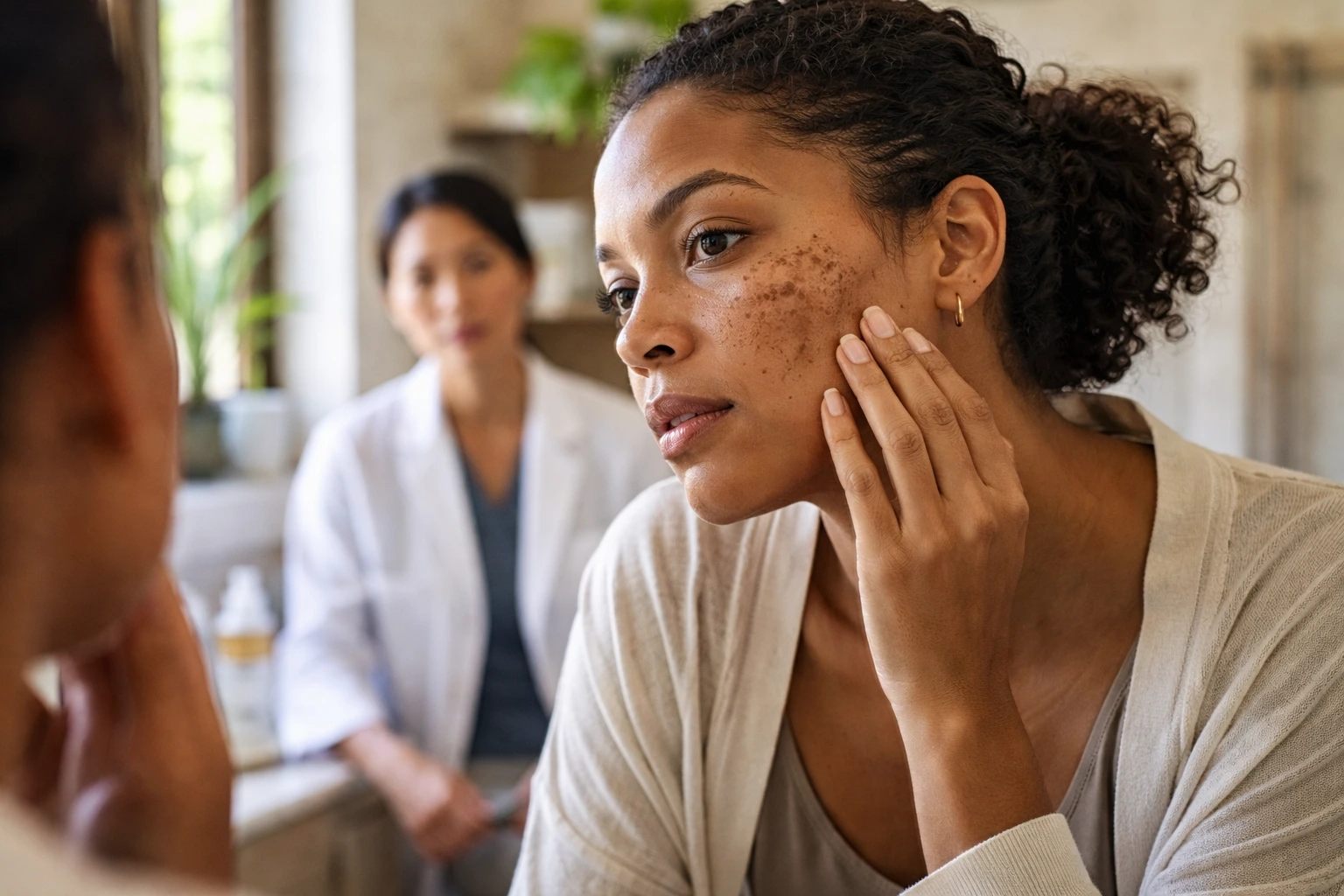
One moment you’re fine, the next your skin feels like it’s burning from the inside out, and within days you’re staring at clusters of blisters that scream shingles rash symptoms to everyone around you.
The unpredictable onset of shingles rash symptoms
Most young adults don’t see shingles coming. You wake up one morning with what feels like a weird tingling or burning sensation on one side of your body, maybe your chest or your shoulder, and you think it’s just muscle soreness from the gym. Then a day or two passes and suddenly that tingling becomes an intense, almost electric burning that won’t quit. Within 48 to 72 hours, clusters of fluid-filled blisters start appearing exactly where that burning sensation was. They’re painful to touch, they itch like crazy, and they spread in a band-like pattern across one side of your body. What makes it so disorienting is how localized it stays, which is actually a telltale sign that separates shingles from other rash conditions. You might touch your arm and feel completely normal, then move two inches over and feel like you’re on fire. That sudden, one-sided appearance catches most people completely off guard because nothing in your daily life prepared you for this kind of targeted discomfort.
- Painful, tingling sensation precedes rash
- Blisters tend to form in clusters
- Rash typically affects only one side of the body
Dealing with the emotional toll of shingles rash symptoms
Here’s what nobody really talks about: the emotional weight of shingles hits harder than the physical pain sometimes. You’re a young adult, probably used to feeling confident in your own skin, and suddenly you’re dealing with visible blisters that make you self-conscious about going out in public. Imagine having to cancel plans because you don’t want people asking questions about what’s on your neck or your back. There’s frustration too, especially when the pain is unpredictable and nobody around you fully understands why you’re struggling so much. Social situations become awkward when you’re worried about how the rash looks or when you’re exhausted from the constant discomfort. Many young adults report feeling anxious about the uncertainty of recovery, wondering if this will leave scars or if it’ll come back again. The mental exhaustion of managing pain while trying to maintain your normal routine can be just as draining as the physical symptoms themselves. It’s not just a skin thing; it’s a whole-life disruption that deserves acknowledgment and compassion.
💬 Ready to feel better in 2 minutes?choose where to begin:
Navigating the long recovery period
The recovery from shingles rash is genuinely a marathon, not a sprint. Even after the blisters crust over and start to fade, many young adults experience something called post-herpetic neuralgia, which is basically persistent nerve pain in the area where the rash was. You might think you’re finally healing when the visible blisters disappear, but then you’re still dealing with sharp, shooting pains or a constant burning sensation that can last weeks or even months. This prolonged discomfort makes everyday activities feel exhausting: putting on a shirt might trigger pain, sleeping becomes difficult because you can’t find a comfortable position, and concentrating at work or school feels nearly impossible when you’re managing chronic discomfort. The key to smoother recovery is getting medical attention early and following a treatment plan tailored to your specific situation. Antiviral medications work best when started within the first few days of symptoms, so recognizing those early warning signs and reaching out to a healthcare provider quickly can make a real difference in how long your recovery takes and how severe your symptoms become.
Preventing future shingles outbreaks
Once you’ve had shingles, the virus stays dormant in your nerve tissue for life, which means there’s always a possibility of it reactivating. The good news is that you’re not helpless here. Young adults can take concrete steps to reduce the risk of future outbreaks by strengthening their immune system through consistent sleep, regular exercise, and balanced nutrition. Stress management is huge too, because stress is one of the biggest triggers for shingles reactivation. That means building in time for activities that actually calm you down, whether that’s meditation, time with friends, or whatever helps you decompress. Vaccination is another powerful tool worth discussing with your healthcare provider. There’s a shingles vaccine available that significantly reduces your chances of getting shingles again or experiencing severe symptoms if you do. Staying connected with your healthcare team and being honest about your stress levels, health changes, and any new symptoms helps them support you better in preventing future episodes. Think of it as building a shield around yourself rather than just waiting for the next attack.
Shingles rash symptoms typically start with tingling or burning sensations on one side of your body, followed by painful blisters that cluster together. Beyond the physical discomfort, young adults often face emotional challenges including self-consciousness and anxiety. Recovery can be lengthy with persistent pain, but early medical intervention helps. Prevention through stress management, healthy habits, and vaccination options can significantly reduce the risk of future outbreaks.
Can shingles rash spread to other parts of the body?
While shingles rash typically remains localized to one side of the body, in rare cases, it can spread to other areas. It is important to seek medical advice if you notice any unusual symptoms or spreading of the rash.
Is there a cure for shingles rash symptoms?
There is no cure for shingles, but antiviral medications can help reduce the severity and duration of symptoms. Early treatment is crucial in managing the condition effectively.
Others also read:
Disclaimer: This article is for informational purposes only and is not a substitute for professional medical advice. Always consult a healthcare professional for personal guidance.
This article presents an experience-based perspective and has been reviewed by the GlobalHealthBeacon editorial team in 2026. It provides structured, evidence-based information to support informed health decisions.
