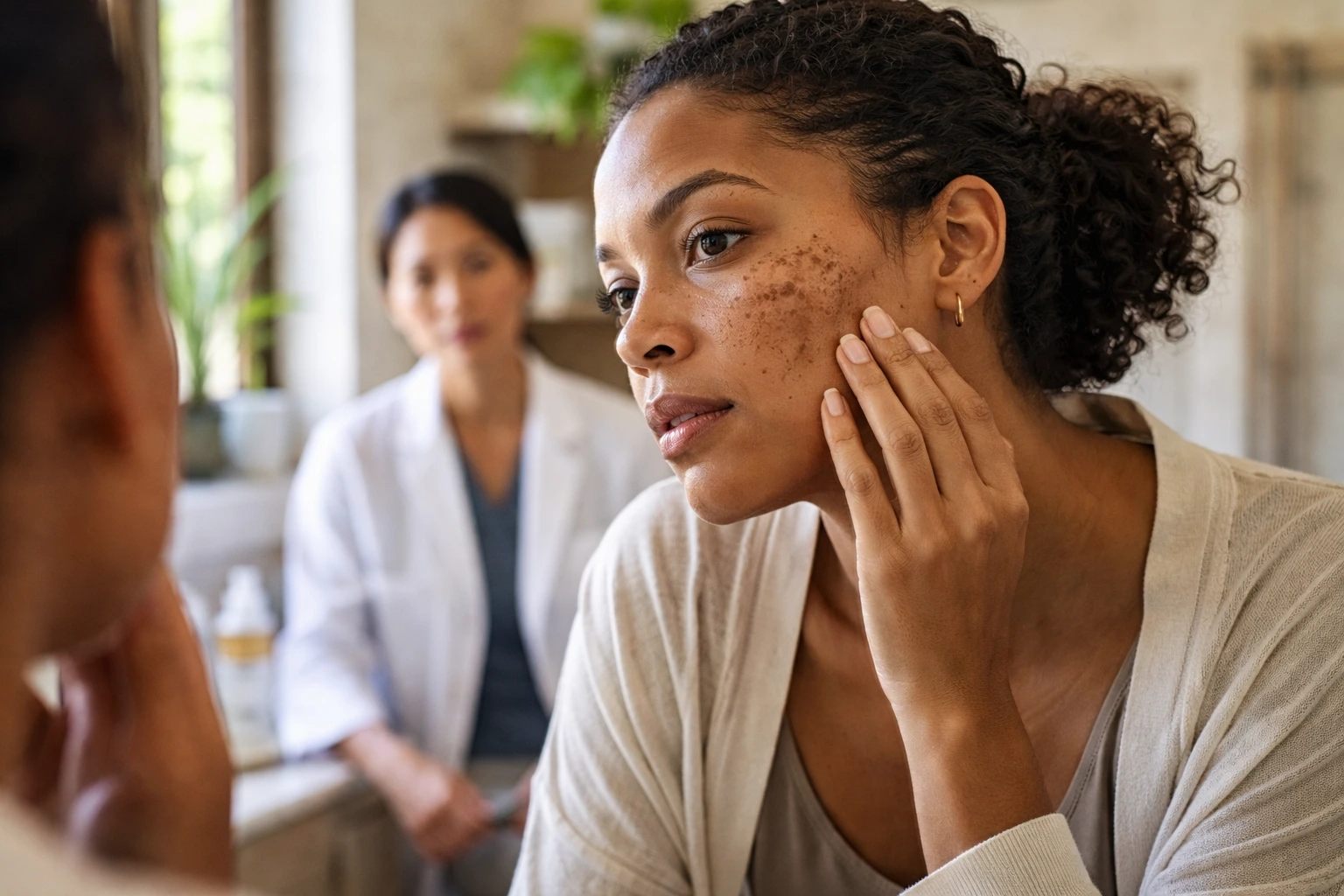
That burning, tingling sensation creeping across your skin followed by a painful cluster of blisters is shingles rash symptoms hitting you when you least expect it, and if you’re a woman dealing with hormonal shifts or stress, you’re not alone in this struggle.
Understanding shingles rash symptoms
Shingles rash emerges from the varicella-zoster virus, the same pathogen responsible for chickenpox earlier in life. Once you recover from chickenpox, the virus doesn’t disappear entirely. Instead, it retreats into nerve tissue near your spinal cord, remaining dormant for years or even decades. When conditions align, the virus reactivates and travels along nerve pathways to your skin, creating that distinctive painful rash. Women experience this condition at notably higher rates than men, particularly during perimenopause and menopause when hormonal fluctuations can suppress immune function. The rash typically appears as a band or stripe of fluid-filled blisters on one side of your body, following a dermatomal pattern that corresponds to specific nerve distributions. You might notice the rash on your torso, face, or limbs, but it rarely crosses the body’s midline. The blisters themselves are intensely painful, often described as burning or electric-like, and they can persist for two to four weeks if left untreated.
Symptoms progression and risk factors
Before the visible rash appears, your body sends warning signals. Many women report experiencing prodromal symptoms for several days, including localized itching, burning sensations, or tingling in the area where the rash will eventually develop. Some describe it as a deep aching pain or hypersensitivity to touch. This early phase can be confusing because you might suspect a different condition entirely. The actual rash typically emerges as red patches that quickly transform into clusters of painful blisters filled with clear fluid. These blisters gradually become cloudy, crust over, and eventually fade, though the pain can linger long after the visible signs disappear. Several factors increase your vulnerability to shingles reactivation. Age is significant, with incidence rising sharply after fifty. Chronic stress suppresses immune function and is a well-documented trigger. Women navigating menopause face particular risk due to declining estrogen levels affecting immune response. Certain medical conditions like diabetes, autoimmune disorders, or HIV, along with immunosuppressive medications, substantially elevate your risk. Even intense physical or emotional trauma can precipitate an outbreak.
Diagnosis and treatment options
Diagnosing shingles typically begins with a clinical examination. Your healthcare provider will assess the characteristic rash pattern and distribution, which often provides sufficient evidence for diagnosis. If confirmation is needed, laboratory tests can identify varicella-zoster virus DNA through PCR testing or viral culture from blister fluid. Early diagnosis matters significantly because antiviral medications work most effectively when started within seventy-two hours of rash onset. Common antiviral options include acyclovir, valacyclovir, and famciclovir, which reduce viral replication, shorten symptom duration, and decrease the risk of complications. Beyond antivirals, pain management becomes crucial since shingles pain can be severe and debilitating. Over-the-counter pain relievers like acetaminophen or ibuprofen help with mild discomfort, while prescription medications may be necessary for moderate to severe pain. Topical treatments containing capsaicin or lidocaine can provide localized relief. Some women find comfort in cool compresses applied to the affected area, while others benefit from loose, soft clothing that minimizes irritation. Your healthcare provider might recommend nerve blocks or other interventions if pain becomes unmanageable.
- Consult a healthcare provider immediately if you suspect shingles, ideally within the first three days of symptom onset.
- Obtain a confirmed diagnosis through clinical evaluation and any necessary laboratory testing.
- Start prescribed antiviral medication as directed to maximize effectiveness and reduce complications.
- Implement pain management strategies tailored to your specific needs and tolerance.
- Keep the affected area clean and avoid scratching to prevent secondary bacterial infection.
- Monitor your symptoms closely and report any concerning changes to your healthcare provider.
🔬 Science-backed benefits in 2 minuteschoose where to begin:
Complications and long-term effects
While most people recover from shingles within a few weeks, some experience prolonged complications that significantly impact quality of life. Postherpetic neuralgia, or PHN, represents the most common long-term consequence, affecting approximately one in five people who develop shingles and occurring more frequently in those over sixty. PHN involves persistent nerve pain in the area where the rash appeared, sometimes lasting months or even years after the blisters have completely healed. Women often describe this pain as burning, stabbing, or electric-like sensations that can interfere with sleep, daily activities, and emotional wellbeing. Other potential complications include bacterial superinfection of the blisters, vision loss if shingles affects the eye area, hearing loss, or neurological complications like encephalitis in rare cases. Secondary bacterial infections can occur when blisters are scratched or not kept clean, potentially leading to scarring or permanent skin changes. Some women experience temporary weakness or paralysis if the virus affects motor nerves. Understanding these possibilities isn’t meant to alarm you but rather to emphasize the importance of early treatment and close medical monitoring throughout your recovery.
Preventive measures and vaccination
Vaccination represents your most effective defense against shingles. The newer recombinant zoster vaccine, Shingrix, offers approximately ninety percent protection against shingles and postherpetic neuralgia, significantly outperforming the older live vaccine. Shingrix requires two doses administered two to six months apart and is recommended for adults fifty and older, regardless of whether you remember having chickenpox. Women with specific risk factors, including autoimmune conditions, chronic diseases, or immunosuppression, should discuss vaccination timing with their healthcare providers. Beyond vaccination, supporting your immune system through lifestyle choices matters. Consistent sleep of seven to nine hours nightly strengthens immune function, as does regular physical activity tailored to your fitness level. Stress management through meditation, yoga, or activities you enjoy can meaningfully reduce your risk. Adequate nutrition, particularly foods rich in vitamins C, D, and E, supports immune resilience. Some research suggests that managing chronic conditions like diabetes or hypertension may also reduce shingles risk. If you’ve already had shingles, vaccination can still prevent recurrence, which occurs in about one to five percent of cases.
Research advancements and future prospects
The field of herpes zoster research continues evolving, with scientists exploring improved diagnostic methods, more effective treatments, and deeper understanding of why certain populations remain more vulnerable. Current investigations examine the role of immune senescence in older adults and how hormonal factors specifically influence women’s susceptibility and symptom severity. Researchers are studying novel antiviral compounds that might work more effectively than current options, as well as immunotherapeutic approaches that could enhance the body’s natural defense mechanisms. Emerging research into long COVID and post-viral syndromes has renewed interest in understanding how varicella-zoster virus reactivation affects systemic health beyond the visible rash. Scientists are also investigating whether certain genetic markers predict who will develop severe disease or complications like postherpetic neuralgia, potentially enabling personalized prevention strategies. Clinical trials are underway examining combination therapies that pair antivirals with pain management or immune-modulating agents. Staying informed about these developments empowers you to have informed conversations with your healthcare provider about your individual risk and the most current preventive and treatment options available.
Shingles rash symptoms represent a reactivation of the varicella-zoster virus that causes chickenpox, manifesting as a painful, blistering rash typically appearing on one side of the body in a distinctive band pattern. Women face elevated risk due to hormonal changes, stress, and age-related immune changes. Understanding the progression from early warning signs through active infection, recognizing risk factors, pursuing prompt diagnosis and treatment, acknowledging potential complications, implementing preventive measures including vaccination, and staying informed about ongoing research all contribute to effective management and protection against this condition.
Can shingles rash be cured completely?
While there is no cure that eliminates the virus from your nerve tissue, prompt treatment with antiviral medications can significantly reduce symptom severity, shorten the duration of active infection, and substantially lower your risk of developing postherpetic neuralgia and other complications. Starting treatment within the first seventy-two hours of symptom onset produces the best outcomes. Even after the rash heals, your healthcare provider can help manage any lingering pain or complications through various therapeutic approaches.
Is shingles rash contagious?
Shingles itself is not contagious in the traditional sense, meaning you cannot catch shingles from another person. However, the fluid in the blisters contains varicella-zoster virus that can transmit to individuals who have never had chickenpox or received the varicella vaccine, potentially causing chickenpox in those susceptible individuals. Direct contact with the open blisters poses the primary transmission risk, which is why covering the rash and practicing good hygiene is important, especially around vulnerable people like infants, pregnant women, or immunocompromised individuals.
Others also read:
Disclaimer: This article is for informational purposes only and is not a substitute for professional medical advice. Always consult a healthcare professional for personal guidance.
This article has been prepared and reviewed by the GlobalHealthBeacon editorial team and is based on current medical research and published scientific literature available in 2026. It provides structured, evidence-based information to support informed health decisions.
