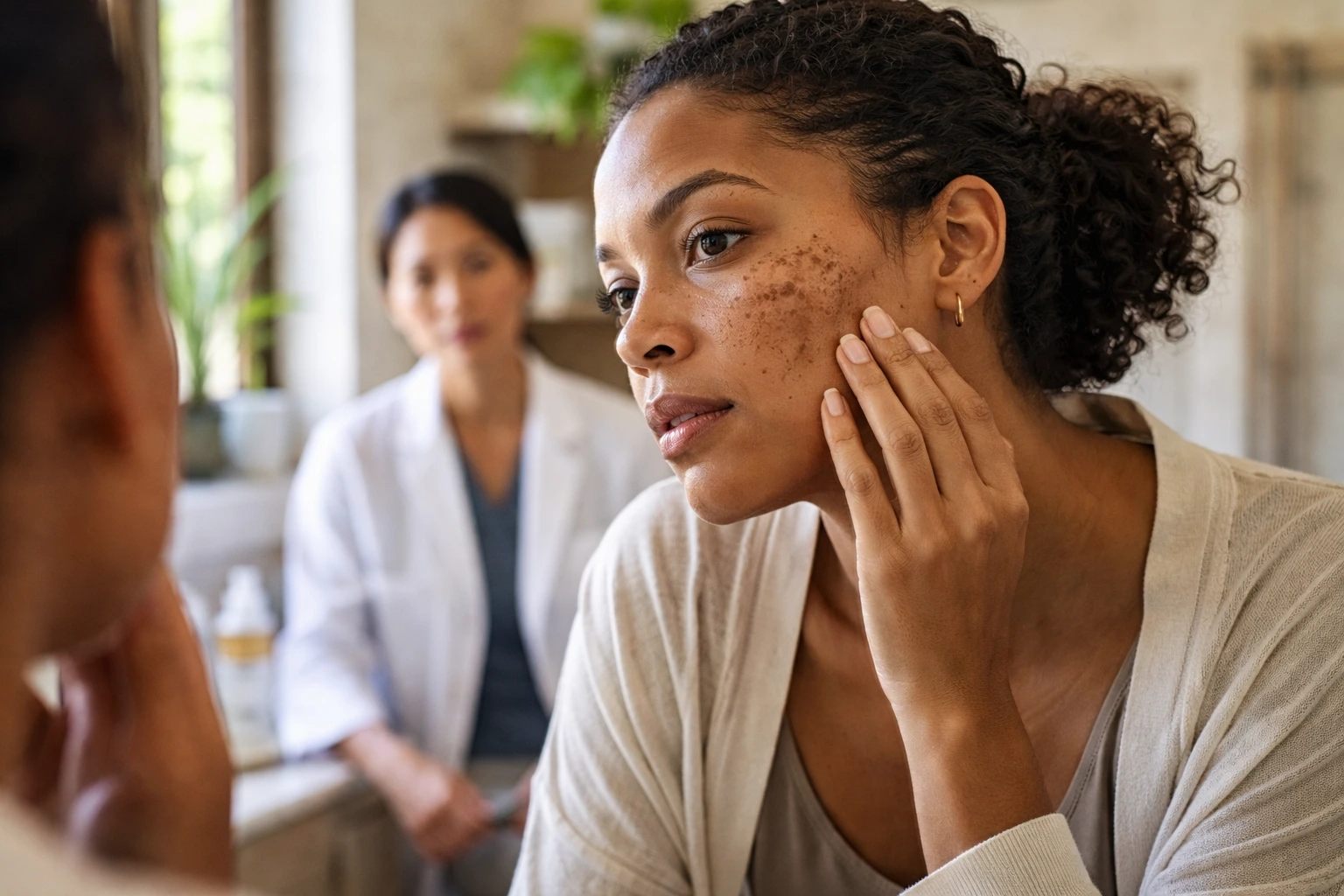
That burning, blistering pain spreading across your skin feels like your body is betraying you, and if you’re a young adult experiencing shingles rash symptoms, you’re probably wondering how this even happened to someone your age.
What is shingles rash?
Shingles rash, medically known as herpes zoster, emerges from a virus that most people encountered decades ago. The varicella-zoster virus causes chickenpox during childhood, but here’s what many don’t realize: the virus doesn’t simply disappear after you recover. Instead, it retreats into nerve tissue near your spinal cord, where it can remain dormant for decades. Years or even fifty years later, the virus can reactivate, traveling along nerve pathways to cause shingles. The resulting rash typically appears as a painful stripe of blisters on one side of your body, following the path of an affected nerve. This one-sided distribution is actually a key diagnostic clue that helps doctors identify shingles. The pain often precedes the visible rash by days, which can be confusing and alarming for young adults who don’t expect this condition to affect them.
Common myths about shingles rash
The biggest misconception about shingles is that it’s exclusively a condition for elderly people. This myth persists partly because shingles does become more common with age, but it ignores the reality that younger people can and do develop it. Another widespread belief is that shingles cannot spread to others, which is dangerously inaccurate. While you cannot transmit shingles itself to someone else, the fluid inside the blisters contains live varicella-zoster virus that can infect people who have never had chickenpox or received the vaccine. A pregnant woman without immunity or an immunocompromised friend could contract chickenpox from exposure to your shingles rash. Additionally, many young adults believe shingles only appears on the torso, leading them to dismiss rashes on their face, neck, or limbs as something else entirely, potentially delaying proper diagnosis and treatment.
Distinguishing myths from facts
Let’s break down the most important misconceptions with clear evidence. Myth one claims shingles exclusively affects older adults, but the fact is that anyone who has had chickenpox can develop shingles at any age, including young adults in their twenties or thirties. Myth two insists shingles is not contagious, yet the fact demonstrates that direct contact with fluid from active blisters can transmit the virus to susceptible individuals. Myth three restricts shingles to the torso, but the fact shows shingles can develop anywhere on your body where nerves exist, including the face, eyes, ears, and even genitals. Consider a 28-year-old woman who developed shingles on her forehead and initially thought it was a severe allergic reaction until the characteristic blistering pattern emerged. Or a 35-year-old man whose shingles appeared on his arm, making him question whether it could actually be shingles at all. These real scenarios illustrate how myths can delay proper recognition and treatment of this condition in younger populations.
- Be aware of the symptoms of shingles rash, including localized pain, burning sensations, itching, and a red rash that progresses to fluid-filled blisters typically appearing in a stripe pattern on one side of your body.
- Seek medical advice promptly if you suspect you have shingles, especially if you are experiencing severe pain, if the rash is near your eyes or face, or if you have a weakened immune system, as early treatment can significantly impact outcomes.
- Follow the prescribed treatment plan recommended by your healthcare provider to manage symptoms and prevent complications, which may include antiviral medications, pain management strategies, and wound care instructions.
🔬 Science-backed benefits in 2 minuteschoose where to begin:
Diagnosis and treatment of shingles rash
Doctors typically diagnose shingles based on the distinctive appearance and distribution of the rash combined with your symptom history. The characteristic one-sided stripe of blisters is usually diagnostic on its own, though laboratory tests can confirm the presence of varicella-zoster virus if needed. Treatment focuses on managing pain and shortening the duration of the infection. Antiviral medications like acyclovir, valacyclovir, or famciclovir work best when started within seventy-two hours of rash onset, making early medical consultation crucial. Beyond antivirals, over-the-counter pain relievers help manage discomfort, while calamine lotion and cool compresses provide topical relief. For young adults experiencing severe pain that interferes with daily function, healthcare providers might recommend stronger pain management options. In some cases, particularly when the rash affects the eye area or when pain is severe, corticosteroids or nerve blocks may be considered. The key is addressing symptoms early and consistently, as untreated shingles can lead to complications like postherpetic neuralgia, where nerve pain persists long after the rash heals.
Preventing shingles rash
Prevention centers on vaccination, which is the most effective strategy available. The recombinant zoster vaccine (Shingrix) is recommended for adults over fifty and has demonstrated remarkable effectiveness in preventing shingles and its complications. While young adults are not routinely vaccinated, those with specific risk factors like immunosuppression or a family history of shingles should discuss vaccination with their healthcare provider. Beyond vaccination, lifestyle factors play a supporting role in reducing risk. Chronic stress can suppress immune function and potentially trigger reactivation, so stress management through exercise, meditation, or counseling matters. Adequate sleep strengthens immune response, while poor sleep patterns may increase vulnerability. Maintaining good nutrition, particularly foods rich in vitamins and minerals that support immune function, provides foundational support. Avoiding direct contact with individuals who have active shingles rash protects you from unnecessary exposure, though this is less critical if you’ve already had chickenpox. Understanding these prevention strategies empowers young adults to take proactive steps toward reducing their risk.
Living with shingles rash
Most cases of shingles resolve within two to four weeks, but the experience during that time requires patience and self-care. Rest is essential, as your body directs energy toward fighting the viral infection and healing damaged nerve tissue. Staying hydrated supports your immune system’s ability to combat the virus and helps prevent secondary complications. Resisting the urge to scratch the blisters is critical, as scratching introduces bacteria and risks permanent scarring or secondary infection. Wearing loose, soft clothing that doesn’t irritate the rash makes daily life more manageable. Many young adults find that maintaining normal activities within their pain tolerance helps psychologically, though avoiding strenuous exercise during the acute phase is wise. Keeping the rash clean and dry, changing bandages regularly if needed, and following your healthcare provider’s wound care instructions prevents infection. The emotional toll of shingles can be underestimated, particularly for young adults who didn’t expect this condition to affect them. Staying connected with your healthcare provider throughout recovery ensures you receive guidance on managing symptoms and recognizing any warning signs of complications.
Understanding the myths and facts about shingles rash is crucial for young adults who may face this condition. From recognizing that shingles can affect people of any age to understanding its contagious nature and varied presentations, being informed empowers you to seek timely medical care. Diagnosis and treatment options exist to manage symptoms effectively, while prevention strategies and proper self-care during infection can minimize complications and support recovery.
Can young adults get shingles rash?
Yes, young adults who have had chickenpox earlier in life can develop shingles rash. While the risk increases significantly with age, shingles can occur in individuals of any age, including those in their twenties, thirties, and forties. The virus remains dormant in nerve tissue and can reactivate at any time, particularly during periods of stress, illness, or immune suppression.
Is shingles rash contagious?
Yes, shingles rash can be contagious, especially through direct contact with the fluid from active blisters. A person with shingles cannot transmit shingles itself to others, but they can transmit the varicella-zoster virus, which causes chickenpox in people who have never had chickenpox or received the vaccine. It is important to take precautions to prevent spreading the virus to vulnerable individuals.
Others also read:
Disclaimer: This article is for informational purposes only and is not a substitute for professional medical advice. Always consult a healthcare professional for personal guidance.
This article has been prepared and reviewed by the GlobalHealthBeacon editorial team and is based on current medical research and published scientific literature available in 2026. It provides structured, evidence-based information to support informed health decisions.
