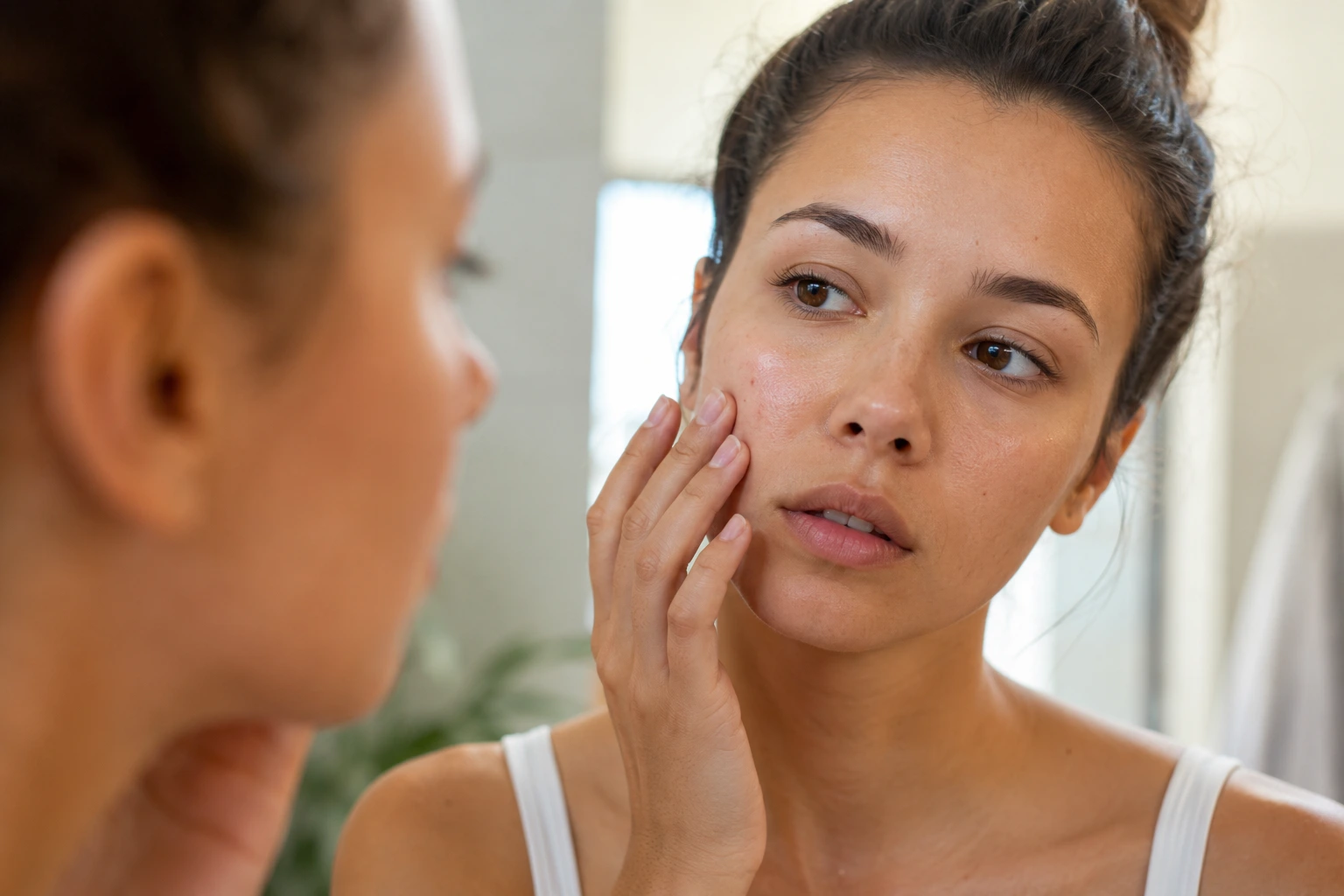
Your skin feels tight, itchy, and reactive to everything you touch, and you are exhausted from trying random products that only make it worse – but a proper skin barrier repair routine can actually fix this.
Understanding the skin barrier
Your skin barrier is essentially your skin’s first line of defense against the world. Think of it as a brick-and-mortar wall where ceramides are the mortar holding everything together and lipids are the bricks. When this barrier is intact, it locks in moisture and keeps irritants out. But when it breaks down, your skin becomes vulnerable. You might notice increased sensitivity to products you once used without issue, persistent redness, or a tight, uncomfortable feeling even after moisturizing. This happens when you over-exfoliate, use harsh cleansers, or expose your skin to extreme weather without protection. Women often face unique challenges because hormonal fluctuations can affect barrier function throughout the month. The good news is that understanding what damaged your barrier is the first step toward repair. Start by identifying your specific triggers, whether that is a new product, over-washing, or environmental stress. Once you know what went wrong, you can make intentional choices to support healing.
- Choose gentle cleansers that maintain the skin’s natural pH balance.
- Opt for moisturizers with ceramides and hyaluronic acid to strengthen the barrier.
- Avoid over-exfoliating, as it can damage the skin barrier.
Hydrating for barrier repair
Hydration works on two levels when repairing your skin barrier, and both matter equally. First, you need to hydrate from the inside by drinking adequate water throughout the day. Your skin cells require water to function properly, and dehydration shows up as flakiness, tightness, and accelerated aging. Aim for at least eight glasses daily, though your individual needs depend on activity level and climate. Second, you need external hydration through targeted products. A hydrating serum with hyaluronic acid can hold up to 1000 times its weight in water, plumping your skin and reducing the appearance of damage. Layer this under a nourishing facial oil or rich moisturizer to seal everything in. Many women find that switching from a single moisturizer to a layered hydration routine transforms their skin within two weeks. The key is applying products to damp skin so they lock in moisture rather than sitting on the surface. Consider adding a hydrating face mask once or twice weekly as an intensive treatment that gives your barrier extra support during the repair phase.
📘 Fix your day in under 2 minuteschoose where to begin:
Protecting with SPF
Sun damage is one of the most underestimated barrier killers, and it works silently. UV rays break down the proteins and lipids that hold your barrier together, making it progressively weaker with each unprotected exposure. Even on cloudy days or when you are indoors near windows, UV rays penetrate and cause cumulative damage. For women focused on barrier repair, daily broad-spectrum sunscreen is non-negotiable. Choose a formula that does not irritate your compromised skin, such as mineral sunscreen with zinc oxide or titanium dioxide, which sit on the skin rather than being absorbed. Apply it generously every morning and reapply every two hours if you are outdoors. If you are already dealing with a damaged barrier, sun protection prevents further deterioration and allows your repair efforts to actually work. Many women make the mistake of skipping sunscreen during their repair phase because they think fewer products is better. The opposite is true. Protecting what you are trying to heal is essential. Think of sunscreen as a shield that lets your other products do their job without interference.
Minding your diet
What you eat directly influences your skin barrier strength because your skin cells are built from the nutrients you consume. Antioxidants like vitamin C, E, and beta-carotene fight free radical damage that weakens your barrier. Load your plate with colorful fruits and vegetables, especially berries, leafy greens, and orange vegetables. Omega-3 fatty acids are equally important because they support the lipid layer of your skin barrier. Fatty fish like salmon, mackerel, and sardines are excellent sources, but if you do not eat fish, consider flaxseeds, chia seeds, or a quality omega-3 supplement. Zinc supports skin repair and immune function, so include legumes, nuts, and seeds in your meals. Many women notice that when they clean up their diet during a barrier repair phase, their skin responds faster than with topical products alone. Reduce processed foods and excess sugar, which trigger inflammation and compromise barrier function. Hydrating foods like cucumbers, watermelon, and leafy greens contribute to overall skin hydration. Think of your diet as internal skincare that works alongside your external routine to rebuild and strengthen your barrier from within.
Pampering your skin
Pampering during barrier repair is not indulgence, it is medicine. Your skin is stressed and inflamed, and soothing treatments help calm that response while supporting healing. Face masks with aloe vera, colloidal oatmeal, or centella asiatica provide immediate relief and deeper nourishment than daily products. Aloe vera has natural anti-inflammatory properties that reduce redness and irritation, while colloidal oatmeal creates a protective barrier and soothes itching. Use a hydrating or soothing mask two to three times weekly for 15 to 20 minutes. Overnight creams are another powerful tool because your skin repairs itself during sleep. Apply a rich, barrier-supporting cream before bed and let it work while you rest. Look for ingredients like ceramides, peptides, and niacinamide that actively rebuild barrier function. Many women find that adding one pampering treatment weekly accelerates their results. Avoid active ingredients like retinol, vitamin C, or acids during the repair phase, as these can further stress a compromised barrier. Instead, focus on gentle, nourishing products that feel good and support healing. Your skin will thank you with improved texture, reduced sensitivity, and a healthy glow.
Repairing your skin barrier requires a multi-faceted approach that combines smart product choices, sun protection, internal hydration, dietary support, and intentional pampering. Each step works together to restore your skin’s protective function and bring you back to healthy, resilient skin. Start with gentle cleansing and hydration, add sun protection, support your skin from within through diet, and treat yourself to soothing products that accelerate healing. Consistency matters more than perfection, and most women see meaningful improvements within three to four weeks of committed care.
How long does it take to repair a damaged skin barrier?
The time it takes to repair a compromised skin barrier varies from person to person depending on the severity of damage and consistency of care. With dedicated attention to the right products and habits, most women see visible improvements within two to three weeks. Complete barrier restoration typically takes four to eight weeks. Your skin naturally regenerates every 28 days, so giving yourself at least one full cycle of consistent care is important before expecting dramatic results.
Can a damaged skin barrier cause acne?
A compromised skin barrier absolutely can trigger or worsen acne. When your barrier is damaged, it becomes inflamed and more permeable to bacteria and irritants. This inflammation creates an environment where acne thrives. Additionally, a weak barrier often leads to dehydration, which causes your skin to overproduce oil as a compensatory response, further feeding acne. Repairing your barrier reduces inflammation, restores proper hydration, and normalizes oil production, which often results in fewer breakouts and clearer skin overall.
Others also read:
Disclaimer: This article is for informational purposes only and is not a substitute for professional medical advice. Always consult a healthcare professional for personal guidance.
This guide has been prepared and reviewed by the GlobalHealthBeacon editorial team and reflects current medical research as of 2026. It provides structured, evidence-based information to support informed health decisions.
