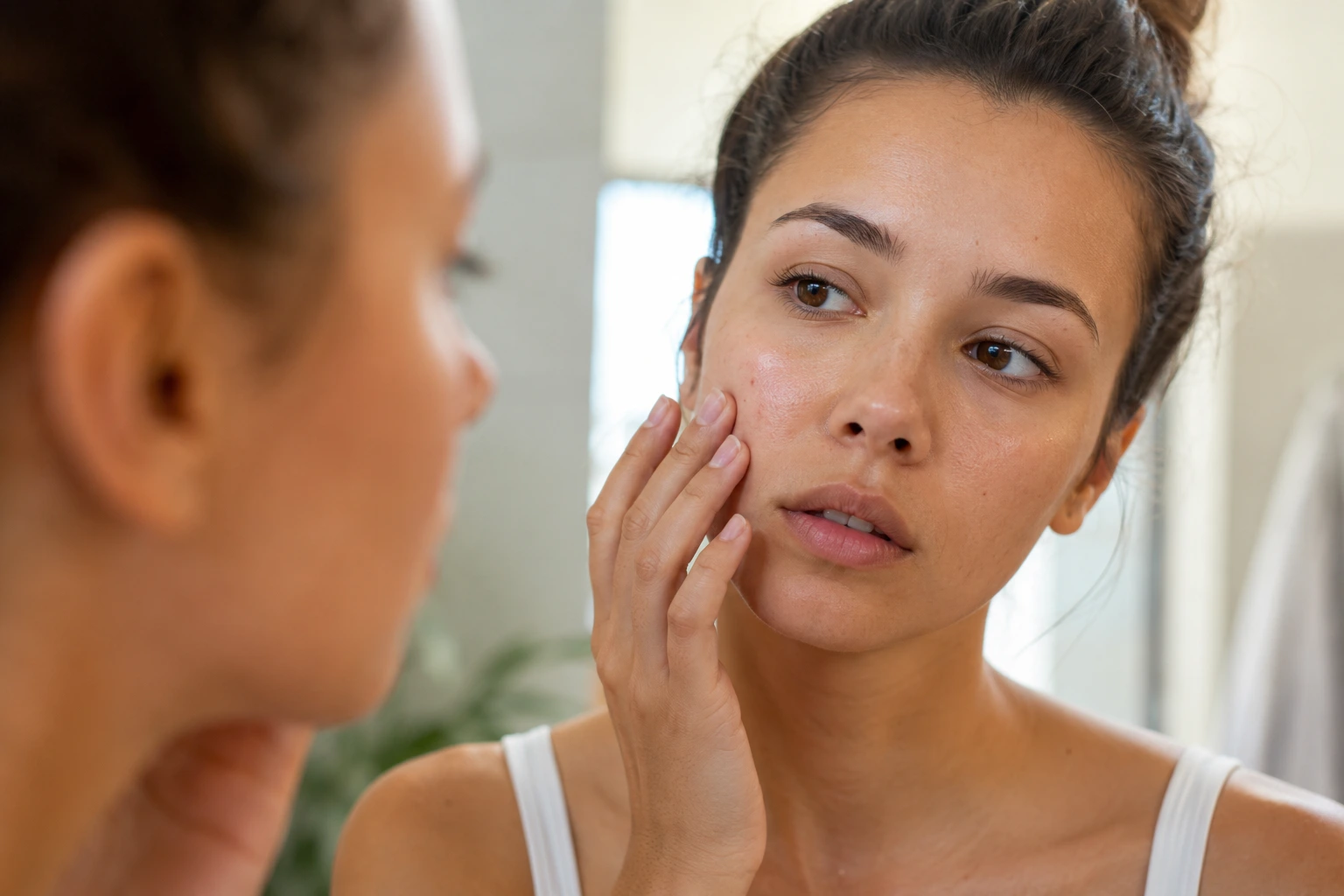
Your skin feels tight, itchy, and raw no matter what you slather on it, and you’re exhausted from trying every product under the sun only to watch your face rebel even more, which is exactly why you need a proper skin barrier repair routine that actually works instead of making things worse.
Barrier repair creams
When Margaret turned 62, she noticed her cheeks had become perpetually flushed and sensitive. She’d been using the same moisturizer for years, but suddenly it felt like applying fire to her skin. That’s when she discovered barrier repair creams, and everything changed. These creams work by restoring the skin’s natural protective layer, which weakens over time due to sun exposure, harsh weather, and even aggressive skincare routines. The magic happens because they contain ingredients like ceramides and hyaluronic acid that literally fill in the microscopic gaps in your skin’s outer layer. Think of your skin barrier like a brick wall, and these creams are the mortar holding it together. Margaret started with a gentle ceramide cream at night, and within three weeks, the redness subsided. She learned to apply it generously to damp skin, which helped lock in moisture more effectively than applying it to completely dry skin.
- Look for creams with ingredients like ceramides and hyaluronic acid for optimal hydration.
- Choose non-comedogenic formulas to prevent clogged pores and acne flare-ups.
- Apply a generous amount both morning and night for best results.
Gentle cleansing techniques
Robert made a common mistake that many seniors make: he thought stronger cleansing meant better results. He was using a foaming facial wash twice daily, stripping away not just dirt but also his skin’s protective oils. His dermatologist explained that harsh cleansing is like sandpapering your skin barrier, leaving it vulnerable and inflamed. The solution was switching to a milk cleanser or micellar water, products designed to gently lift away impurities without disrupting the skin’s natural pH balance. Instead of vigorous scrubbing, Robert learned to use his fingertips in gentle circular motions, spending only 30 seconds on cleansing. He also discovered that lukewarm water, not hot, made a significant difference. Within two weeks of this simple shift, his skin felt calmer and looked noticeably less irritated. The key insight: your cleanser should feel nourishing, not punishing.
💬 Ready to feel better in 2 minutes?choose where to begin:
Hydrating serums
Dorothy struggled with dull, papery skin that made her look older than her 68 years. She invested in a hydrating serum enriched with antioxidants and B vitamins, applying it before her moisturizer. Serums work differently than creams because they have smaller molecular structures that penetrate deeper into the skin, delivering concentrated nutrients where they’re needed most. She noticed that the serum absorbed quickly without leaving a greasy residue, and when layered under her barrier repair cream, it created a powerful hydration sandwich. Within four weeks, her skin texture improved noticeably, and the fine lines around her eyes appeared softer. Dorothy also learned that consistency matters: skipping days meant losing progress. She now keeps her serum in the refrigerator, and the cool application feels refreshing and helps reduce any puffiness. The combination of serum plus cream became her non-negotiable evening ritual.
Sunscreen protection
James thought sunscreen was just for beach days until his dermatologist pointed out that UV damage was the primary reason his skin barrier was breaking down. He’d spent decades in the sun without protection, and his skin was paying the price with sensitivity and uneven texture. Daily sunscreen application became his turning point. He switched to a mineral sunscreen with zinc oxide, which sits on top of the skin and creates a physical barrier against UV rays rather than absorbing into the skin like chemical sunscreens. He applies it every morning after his serum and moisturizer, and reapplies after lunch. Within three months of consistent sun protection, his skin became noticeably more resilient. The redness decreased, and his barrier repair routine finally had a chance to work because he’d stopped creating new damage. James now views sunscreen as the foundation of his entire skincare strategy, not an optional step.
Discover the tested and proven methods for repairing the skin barrier in seniors. From barrier repair creams to gentle cleansing techniques, hydrating serums, and sunscreen protection, incorporating these steps into your daily routine can make a significant difference in skin health and overall well-being.
How long does it take to see results from a skin barrier repair routine?
Results from a skin barrier repair routine can vary depending on individual skin types and concerns. Generally, improvements in skin hydration and texture can be noticed within a few weeks of consistent use.
Can I use multiple barrier repair products together for better results?
It’s important to be cautious when combining multiple barrier repair products. Start by introducing one new product at a time to monitor how your skin reacts. Consult with a dermatologist if you’re unsure about the compatibility of different products.
Others also read:
Disclaimer: This article is for informational purposes only and is not a substitute for professional medical advice. Always consult a healthcare professional for personal guidance.
This article presents an experience-based perspective and has been reviewed by the GlobalHealthBeacon editorial team in 2026. It provides structured, evidence-based information to support informed health decisions.
