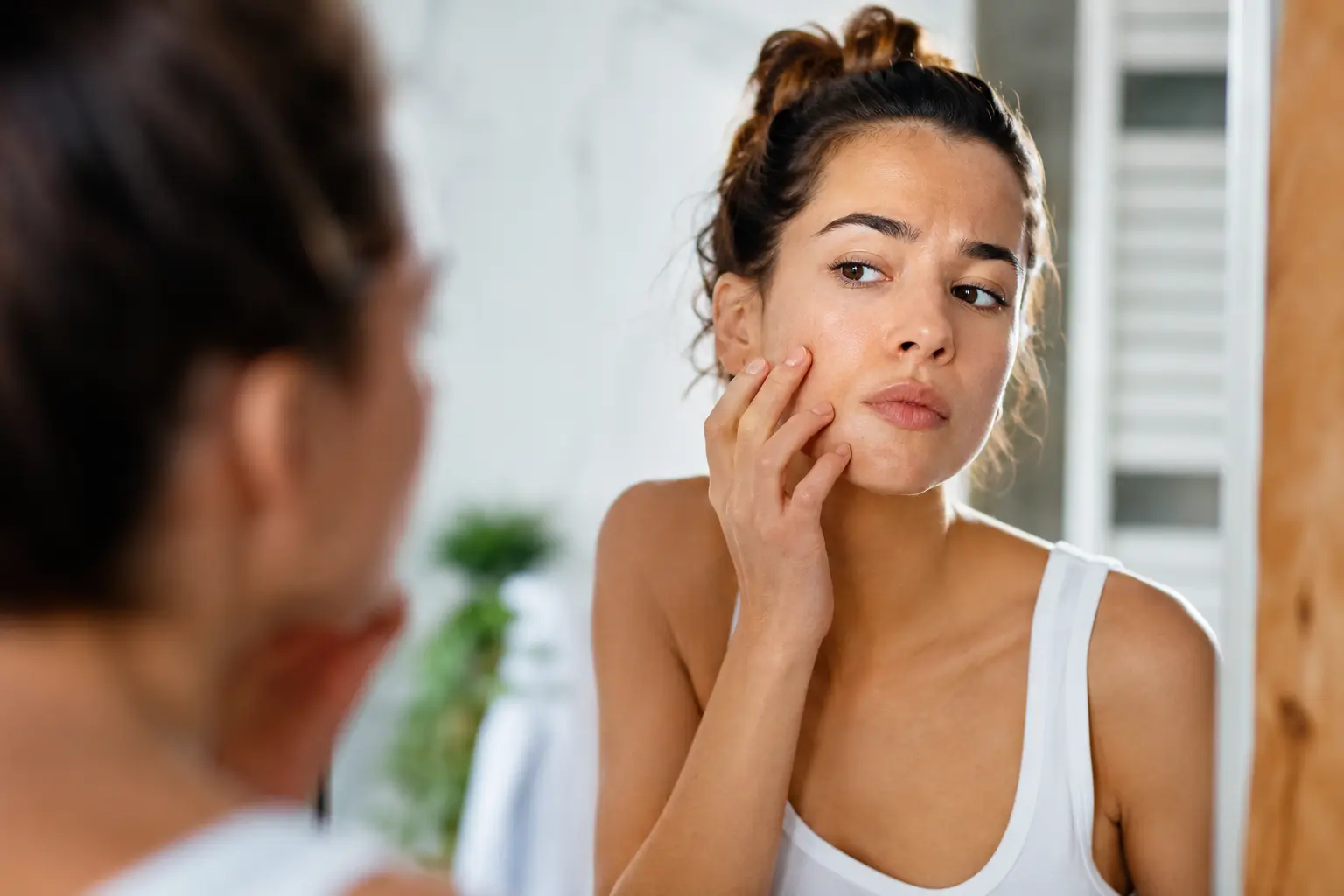
Your skin feels tight, itchy, and reactive to everything you touch, and you’re realizing that skin hydration mistakes might be the culprit behind this frustrating downward spiral.
The importance of skin barrier function
The skin barrier, scientifically known as the stratum corneum, functions as your body’s first line of defense against the outside world. Think of it as a brick wall, where dead skin cells form the bricks and lipids act as the mortar holding everything together. This barrier serves two critical purposes: it prevents water from escaping your skin and blocks harmful substances like bacteria, pollution, and irritants from penetrating deeper layers. As we age, this barrier naturally becomes thinner and more fragile. When compromised by hydration mistakes, the barrier weakens significantly, resulting in visible dryness, increased sensitivity to products you’ve used for years, and accelerated aging. Research shows that seniors often experience a 30 percent reduction in skin barrier function compared to younger adults, making proper care even more essential during these years.
Common hydration mistakes impacting barrier health
Many seniors unknowingly damage their skin barrier through daily habits that feel harmless or even beneficial. Overwashing is a primary culprit, especially with hot water, which strips away natural oils called sebum that protect and hydrate the skin. Using harsh cleansers, particularly those containing sulfates or strong fragrances, disrupts the skin’s pH balance and removes the protective lipid layer. Neglecting moisturization altogether, or waiting too long after cleansing to apply it, allows water to evaporate from the skin surface. Some people also make the mistake of using multiple active ingredients simultaneously, thinking more products equal better results, when in reality this overwhelms the barrier. Environmental factors like spending extended time in heated indoor spaces during winter further dehydrate the skin. Even seemingly minor habits, like rubbing your face with a rough towel instead of gently patting it dry, can contribute to cumulative barrier damage over time.
Steps to improve skin hydration and restore barrier function
Restoring your skin barrier requires a thoughtful, consistent approach rather than dramatic changes. Start by evaluating your cleansing routine: switch to a gentle, pH-balanced cleanser that removes dirt and makeup without stripping natural oils. Lukewarm water is your friend here, not hot water that feels comforting in the moment but damages your barrier. After cleansing, apply moisturizer to damp skin within three minutes to lock in hydration, as this is when your skin is most receptive. Look for products containing hyaluronic acid, which holds up to 1000 times its weight in water, or glycerin, which draws moisture into the skin. Consider adding a facial oil or richer cream at night to support overnight barrier repair. Limit your skincare routine to essential steps: cleanse, moisturize, and protect with sunscreen during the day. Avoid the temptation to experiment with multiple new products simultaneously, as this prevents you from identifying what actually works for your unique skin.
- Choose a gentle cleanser with a pH-balanced formula that matches your skin’s natural acidity.
- Apply a hydrating moisturizer with ingredients like hyaluronic acid or glycerin to damp skin immediately after cleansing.
- Avoid prolonged exposure to hot water during showers and use lukewarm water instead.
🔬 Science-backed benefits in 2 minuteschoose where to begin:
The role of ceramides in barrier repair
Ceramides are lipid molecules that naturally occur in your skin and function as essential components of the barrier’s mortar. They make up roughly 50 percent of your skin’s lipid composition, yet their levels decline significantly with age and sun exposure. When your barrier is compromised, ceramide loss accelerates the damage cycle. Including ceramide-rich products in your skincare routine can interrupt this cycle and support meaningful barrier repair. Ceramides work by filling gaps between skin cells and reducing water loss through the barrier, a process called transepidermal water loss. Research demonstrates that topical ceramides can improve skin hydration within two weeks of consistent use. Look for products listing ceramides as one of the first ingredients, often labeled as ceramide NP, AP, or EOP. Combining ceramides with other barrier-supporting ingredients like niacinamide and cholesterol creates a synergistic effect that enhances repair. Many seniors find that adding a ceramide-rich moisturizer or serum transforms their skin texture and reduces sensitivity within a month.
The impact of environmental factors on barrier integrity
Your skin barrier faces constant assault from environmental stressors that accumulate over decades of living. UV radiation from the sun damages the lipid structure of your barrier and breaks down collagen and elastin in deeper skin layers, a process that compounds barrier weakness. Air pollution contains particulate matter and oxidative compounds that trigger inflammation and further compromise barrier function. Harsh weather conditions, particularly cold, dry winter air, accelerate water loss from your skin surface. Indoor heating systems create artificially dry environments that pull moisture from your skin throughout the day. Even seasonal changes affect barrier integrity, with many seniors noticing increased sensitivity and dryness during winter months. Protecting your skin from these stressors involves practical daily habits: applying broad-spectrum sunscreen with at least SPF 30 every single day, using a humidifier in your bedroom during dry seasons, and wearing protective clothing when spending extended time outdoors. Understanding these environmental pressures helps explain why barrier repair sometimes feels slow, and why consistent protection matters as much as active treatment.
Research insights on skin barrier repair in aging skin
Scientific studies consistently show that aging skin exhibits reduced barrier function and impaired repair mechanisms compared to younger skin. The stratum corneum becomes thinner, ceramide production decreases, and the skin’s natural moisturizing factor diminishes with each passing decade. However, research also reveals encouraging news: aging skin remains capable of significant improvement when given proper support. Studies published in dermatological journals demonstrate that seniors who address hydration mistakes and adopt a consistent barrier-supportive routine show measurable improvements in skin hydration, reduced sensitivity, and improved appearance within 4 to 8 weeks. One notable study found that seniors using ceramide-rich moisturizers combined with gentle cleansing showed a 40 percent improvement in barrier function markers. The key finding across multiple studies is that consistency matters more than complexity. Seniors don’t need expensive or complicated regimens; they need gentle, evidence-based products used daily. This research suggests that the barrier damage you’re experiencing isn’t permanent, and meaningful improvement is absolutely achievable at any age.
Maintaining skin hydration and preserving barrier function is crucial for healthy, comfortable skin throughout your senior years. By avoiding common hydration mistakes like overwashing and using harsh products, selecting barrier-supportive ingredients like ceramides and hyaluronic acid, and protecting your skin from environmental stressors, you can enhance barrier repair and prevent further damage. The science is clear: your skin barrier can improve with consistent, gentle care.
How do hydration mistakes affect the skin barrier?
Hydration mistakes like overwashing with hot water, using harsh cleansers, and neglecting moisturization strip away natural oils and disrupt the lipid barrier. This leads to increased water loss, dryness, sensitivity to products, and accelerated visible aging. The damage compounds over time if these habits continue.
What are the key steps to improve skin hydration and barrier function?
Use a gentle, pH-balanced cleanser with lukewarm water, apply moisturizer to damp skin within three minutes of cleansing, and look for products containing ceramides, hyaluronic acid, or glycerin. Protect your skin from sun exposure and harsh environmental conditions. Consistency matters more than using multiple products.
Others also read:
Disclaimer: This article is for informational purposes only and is not a substitute for professional medical advice. Always consult a healthcare professional for personal guidance.
This article has been prepared and reviewed by the GlobalHealthBeacon editorial team and is based on current medical research and published scientific literature available in 2026. It provides structured, evidence-based information to support informed health decisions.
