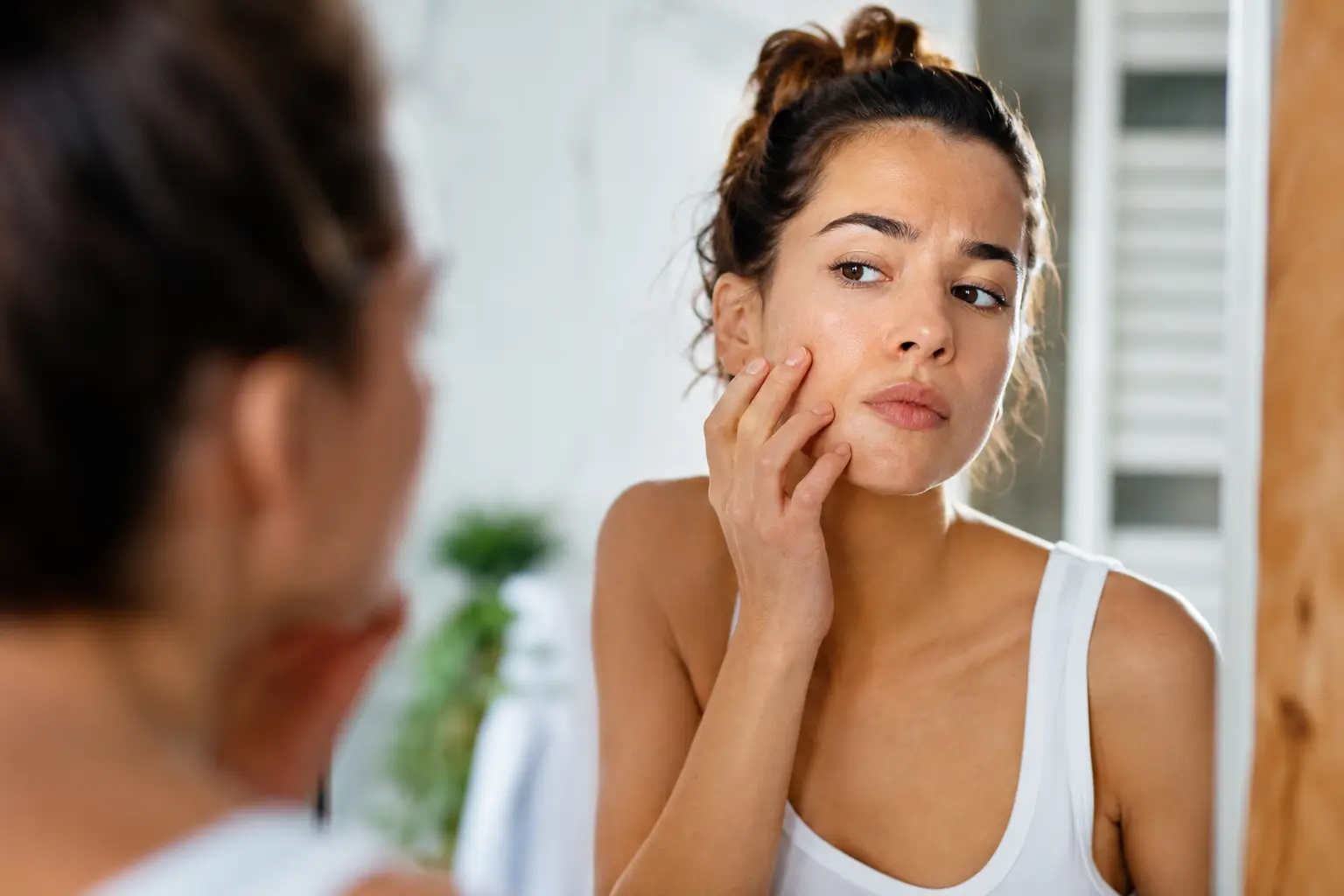
Your skin feels tight, looks dull, and no amount of moisturizer seems to fix it, because you’re probably making one of the most common skin hydration mistakes without even realizing it.
Using harsh cleansers
Picture this: you wake up, splash your face with a foaming cleanser that feels squeaky clean, and think you’re doing everything right. But that tight, stripped feeling afterward? That’s your skin’s natural oils being completely wiped away. Many women unknowingly use cleansers packed with sulfates and alcohol that leave skin feeling parched and irritated. The problem compounds over time as your skin becomes increasingly dehydrated and reactive. Instead, switch to gentle cleansers formulated with hydrating ingredients like hyaluronic acid or glycerin. A good gentle cleanser removes dirt and makeup without that uncomfortable tightness. Think of it as the difference between a harsh scrub and a soft wash. Your skin barrier stays intact, moisture is preserved, and you avoid triggering the cycle of dehydration that leads to more oil production and breakouts. The right cleanser should leave your skin feeling clean but still supple.
- Avoid products containing alcohol or fragrances that can further dry out your skin.
- Look for cleansers labeled ‘gentle’ or ‘hydrating’ to ensure they won’t strip your skin of essential oils.
- Consider double cleansing with an oil-based cleanser followed by a gentle foaming cleanser to thoroughly cleanse without drying out the skin.
Skipping moisturizer
Here’s where many women get confused: they think moisturizer is only for dry skin types. If you have oily or combination skin, the logic goes, why add more moisture? This is one of the biggest skin hydration mistakes. Your skin needs hydration regardless of its type. Oily skin often becomes oily precisely because it’s dehydrated and overcompensating by producing excess sebum. When you skip moisturizer, you’re actually making the problem worse. The solution is finding the right moisturizer for your skin type. Look for lightweight, non-comedogenic formulas that hydrate without feeling heavy or clogging pores. Ingredients like niacinamide, ceramides, and hyaluronic acid provide hydration without the greasiness. Apply moisturizer to damp skin right after cleansing to lock in water. Even if you have oily skin, a hydrating moisturizer is essential for maintaining your skin barrier and preventing the dehydration cycle that leads to excess oil production.
📘 Fix your day in under 2 minuteschoose where to begin:
Over-exfoliating
Exfoliation feels amazing. That smooth, glowing skin afterward makes you want to do it every day. But here’s the reality: over-exfoliating is one of the most damaging skin hydration mistakes you can make. Your skin barrier is delicate, and excessive exfoliation damages it, leading to moisture loss, sensitivity, and irritation. When you exfoliate too frequently or use harsh physical scrubs, you’re removing the protective layer that keeps water in and irritants out. The result is compromised skin that can’t hold onto hydration no matter how much moisturizer you apply. Limit exfoliation to once or twice weekly maximum. Choose gentle exfoliants like lactic acid or enzyme-based products that dissolve dead skin cells without aggressive scrubbing. Chemical exfoliants are generally gentler than physical ones because they work on a molecular level. If your skin feels tight, flaky, or reactive, skip exfoliation entirely for a week and focus on hydration. Your skin will thank you with improved texture and a healthier barrier.
Not drinking enough water
You can apply the best serums and moisturizers on the market, but if you’re not hydrating from within, your skin will suffer. Dehydration shows up as dull, tired-looking skin with more pronounced fine lines. When your body lacks adequate water, it prioritizes vital organs over skin health, leaving your complexion parched and lackluster. Many women don’t realize that skin hydration mistakes aren’t just about topical products. Your internal hydration directly impacts your skin’s plumpness and radiance. Aim for at least eight glasses of water daily, though individual needs vary based on activity level, climate, and body size. Herbal teas, water-rich foods like cucumbers and watermelon, and electrolyte-balanced beverages all contribute to overall hydration. Notice how your skin looks and feels when you’re consistently hydrated versus when you’ve been neglecting water intake. The difference is dramatic. Proper hydration supports your skin’s natural repair processes and helps maintain that dewy, healthy glow from the inside out.
Ignoring humidity levels
Your environment plays a huge role in skin hydration that often gets overlooked. During winter months or in dry climates, the air itself pulls moisture from your skin. If you live somewhere with low humidity or spend time in air-conditioned environments, your skin is constantly losing water to the air around it. This is a skin hydration mistake that many women don’t even recognize as a problem. A simple humidifier can be transformative. By adding moisture back into the air, you reduce the rate at which your skin loses hydration. Even a small humidifier running at night while you sleep can make a noticeable difference in morning skin texture. Beyond humidifiers, adjust your entire skincare routine based on seasonal and environmental changes. In humid climates, you might use lighter moisturizers. In dry environments, you might layer hydrating serums under richer creams. Pay attention to how your skin responds to different seasons and adjust accordingly. Your skin’s needs aren’t static, and acknowledging these environmental factors is key to maintaining consistent hydration.
Using gentle cleansers, moisturizing daily, exfoliating in moderation, staying hydrated, and considering humidity levels are key to maintaining skin hydration and achieving a radiant complexion.
How can I tell if my skin is dehydrated?
Signs of dehydrated skin include tightness, flakiness, dullness, and fine lines. If your skin feels rough or looks lackluster, it may be dehydrated.
Can over-hydration be harmful for the skin?
While staying hydrated is essential, over-hydration can lead to skin issues like puffiness and breakouts. Balance is key, so listen to your skin’s needs.
Others also read:
Disclaimer: This article is for informational purposes only and is not a substitute for professional medical advice. Always consult a healthcare professional for personal guidance.
This guide has been prepared and reviewed by the GlobalHealthBeacon editorial team and reflects current medical research as of 2026. It provides structured, evidence-based information to support informed health decisions.
