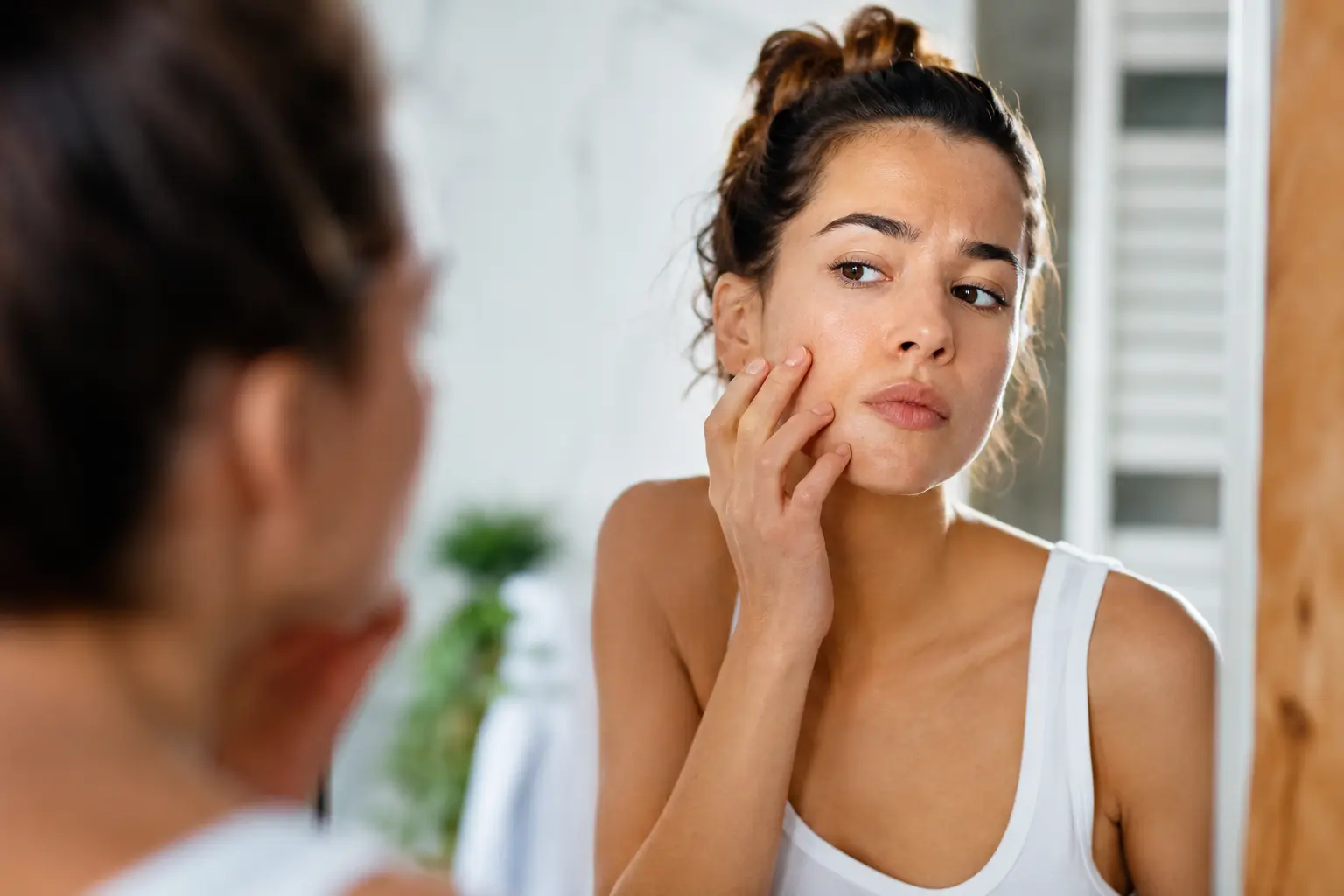
Your skin feels tight, flaky, and uncomfortable no matter how much lotion you slather on, and you’re probably making common skin hydration mistakes without even realizing it because nobody ever explained how aging actually changes what your skin needs.
Impact of aging on skin hydration
Picture this: at 25, your skin felt plump and dewy. At 65, that same skin feels paper-thin and parched. This isn’t just a feeling. Your skin is genuinely different now. As we age, the epidermis (your skin’s outer layer) becomes noticeably thinner, losing roughly 20 percent of its thickness over several decades. Simultaneously, sebaceous glands produce less natural oil, which means your skin loses its built-in moisture barrier. Collagen and elastin fibers, the proteins that keep skin firm and flexible, break down over time due to sun exposure, oxidative stress, and natural aging processes. This breakdown isn’t dramatic overnight, but it’s relentless. The result is increased transepidermal water loss, or TEWL, which is the fancy term for water literally evaporating from your skin’s surface. A 70-year-old’s skin loses moisture roughly 30 percent faster than a 30-year-old’s skin. That’s not a minor difference. It’s the biological reason why your grandmother’s skincare routine won’t work for you.
Common mistakes in skin hydration for seniors
Here’s where most seniors go wrong. First, there’s the thirst problem. Your body’s thirst mechanism weakens with age, so you might genuinely not feel thirsty even when you’re dehydrated. You skip that glass of water at lunch because you don’t feel like you need it, but your skin is already suffering. Second, many seniors use water that’s far too hot. A long, steaming shower feels wonderful, but hot water strips away the lipids that hold moisture in your skin. You step out feeling refreshed but actually more dehydrated than before. Third, harsh cleansers are everywhere. Many traditional soaps and foaming cleansers are designed to remove oil aggressively, which made sense when you were younger and had oily skin. Now they’re removing the protective oils you desperately need. Fourth, inconsistent moisturizing is common. You might moisturize when you remember or when your skin feels particularly dry, but your skin needs consistent hydration daily, not occasional attention. Finally, ignoring environmental factors like dry indoor heating or low humidity can sabotage even your best efforts.
Effective strategies for senior skin hydration
Let’s talk about what actually works. Hydration starts from the inside. Drinking water throughout the day supports your skin’s moisture levels, though the old eight-glasses rule is less important than consistent intake. A practical approach is drinking a glass of water with each meal and between meals. Gentle cleansing matters enormously. Look for cleansers labeled creamy, hydrating, or milk-based rather than foaming. These preserve your skin’s natural pH and lipid barrier. After cleansing, apply moisturizer to damp skin within three minutes while your skin can still absorb it effectively. Choose products with humectants like hyaluronic acid, which draws water into the skin, and occlusives like ceramides or glycerin, which seal that moisture in. Layering products helps too. Apply a hydrating serum first, then a richer moisturizer on top. At night, you can use a heavier cream or even a facial oil to lock in moisture overnight. Environmental control matters. A humidifier in your bedroom during winter months can prevent moisture loss while you sleep. Finally, protect your skin from sun damage, which accelerates moisture loss and breaks down collagen further.
- Drink water consistently throughout the day, aiming for a glass with each meal and between meals.
- Choose moisturizers containing hyaluronic acid, ceramides, or glycerin to both draw in and seal moisture.
- Avoid long hot showers and use lukewarm water instead, limiting showers to 10 minutes or less.
- Apply moisturizer to damp skin within three minutes of cleansing for maximum absorption.
- Use a humidifier in dry indoor environments, especially during winter heating season.
- Apply sunscreen daily with at least SPF 30 to prevent UV-related moisture loss and collagen damage.
🔬 Science-backed benefits in 2 minuteschoose where to begin:
Protecting skin barrier function
Your skin barrier is like a brick wall, with skin cells as bricks and lipids as mortar. When that barrier is compromised, water escapes and irritants get in. This is why protecting it is non-negotiable for hydration. Avoid products with high alcohol content, which evaporates quickly and dries skin further. Skip physical exfoliants like scrubs, which can damage the barrier. If you exfoliate at all, use gentle chemical exfoliants like lactic acid, which dissolve dead skin cells without physical trauma. Humidifiers are genuinely helpful, especially in climates with low humidity or during winter when indoor heating dries the air. Running a humidifier for even a few hours daily can measurably improve skin hydration. Sun protection is critical because UV rays break down collagen and elastin while increasing water loss. A daily broad-spectrum sunscreen prevents this damage. Some seniors worry sunscreen will clog their pores, but modern formulations for mature skin are lightweight and non-comedogenic. Think of sunscreen as barrier protection, not just cancer prevention. It’s hydration insurance.
Nutrition and hydration for skin health
What you eat directly affects your skin’s ability to hold moisture. Omega-3 fatty acids from fish, flaxseeds, and walnuts help maintain your skin’s lipid barrier, which is essential for moisture retention. These fats are literally incorporated into your skin cell membranes. Antioxidants from berries, dark leafy greens, and nuts protect against oxidative stress that damages collagen and elastin. Vitamin C supports collagen production, so citrus fruits, bell peppers, and kiwis are valuable additions. Hyaluronic acid is found naturally in bone broth and can be consumed through supplements, though eating foods rich in amino acids like chicken, eggs, and legumes supports your body’s natural hyaluronic acid production. Hydration isn’t just about water either. Fruits and vegetables with high water content like cucumbers, watermelon, and lettuce contribute to overall hydration. A practical approach is eating a colorful diet with multiple servings of vegetables and fruits daily, including at least one source of omega-3 fatty acids. Many seniors find that improving their diet alongside their skincare routine produces noticeably better results than skincare alone.
Routine skin hydration checks for seniors
Monitoring your skin regularly helps you catch problems early and adjust your routine as needed. Once weekly, examine your skin in good lighting. Look for signs of dehydration like flakiness, tightness, or a dull appearance. Pay attention to areas that typically get drier first, like your cheeks, forehead, and around your eyes. Itching is another signal that your skin needs more hydration. If you notice increased dryness despite your efforts, consider whether environmental factors have changed (like seasonal heating) or whether you’ve altered your routine. Keep a simple log of what products you’re using and how your skin responds. This helps you identify what actually works for you rather than guessing. If you develop persistent dryness, irritation, or other concerning changes, consulting a dermatologist is wise. They can assess whether your skin barrier is compromised, whether you have a condition like eczema that requires specific treatment, or whether your current routine needs adjustment. A dermatologist can also recommend prescription-strength hydrating products if over-the-counter options aren’t sufficient. Regular check-ins with yourself and a professional when needed ensure your skin stays as healthy as possible.
Skin hydration for seniors requires tailored approaches due to age-related changes in skin structure and function. Adequate hydration from both water intake and topical products, combined with gentle skincare practices and a nourishing diet rich in omega-3 fatty acids and antioxidants, forms the foundation for maintaining healthy, hydrated skin in older adults. Protecting your skin barrier and monitoring changes regularly ensures you catch problems early and adjust your routine as your skin’s needs evolve.
Why is hydration important for senior skin?
Proper hydration is essential for maintaining the skin’s moisture balance, elasticity, and overall health. As you age, your skin’s natural ability to retain water decreases due to thinner epidermis, reduced oil production, and breakdown of collagen and elastin. Dehydrated skin can lead to dryness, irritation, itching, and accelerated visible aging in seniors. Maintaining hydration supports your skin barrier function, which protects against irritants and environmental damage.
How can seniors improve skin hydration?
Seniors can improve skin hydration by staying consistently hydrated throughout the day, using gentle cleansers and moisturizers with hydrating ingredients like hyaluronic acid and ceramides, protecting the skin barrier from harsh products and excessive sun exposure, and consuming a nutrient-rich diet with omega-3 fatty acids and antioxidants. Using a humidifier in dry environments, avoiding long hot showers, and applying moisturizer to damp skin within three minutes of cleansing also significantly improves results.
Others also read:
Disclaimer: This article is for informational purposes only and is not a substitute for professional medical advice. Always consult a healthcare professional for personal guidance.
This article has been prepared and reviewed by the GlobalHealthBeacon editorial team and is based on current medical research and published scientific literature available in 2026. It provides structured, evidence-based information to support informed health decisions.
