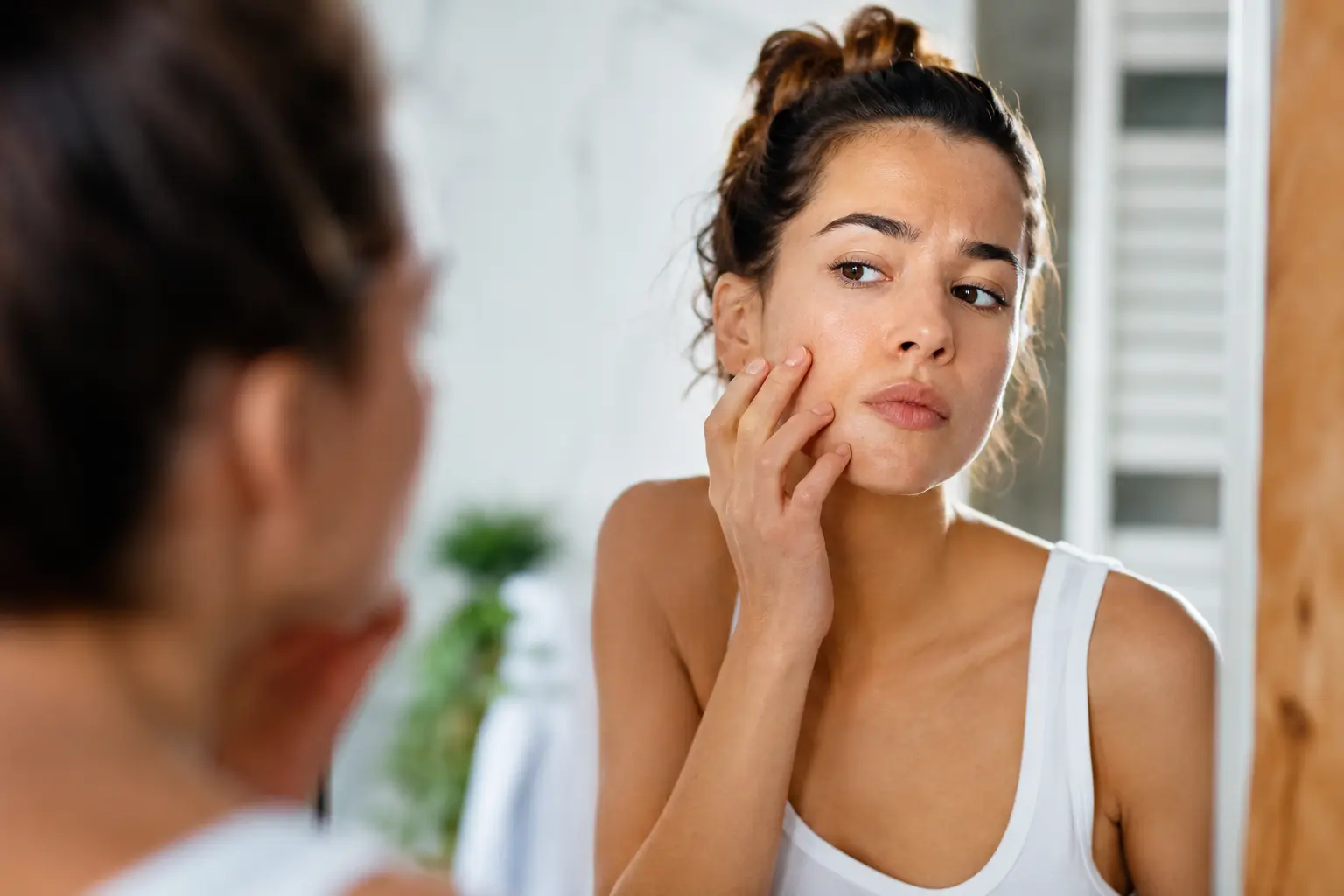
Your skin feels tight, itchy, and cracked no matter what you slather on it, and you’re tired of fighting skin hydration mistakes that nobody seems to talk about honestly.
Using harsh soaps
I remember standing in the shower, lathering up with the same bar of soap I’d used for forty years, not realizing I was essentially stripping my skin bare every single day. That soap felt clean, smelled familiar, but it was actually pulling away the natural oils my aging skin desperately needed to stay soft and supple. Many seniors unknowingly fall into this trap because we grew up with these products and trust them. The truth is, as our skin ages, it becomes more vulnerable. Those sulfates and harsh detergents that worked fine when you were thirty? They’re now working against you. I switched to a gentle, fragrance-free cleanser, and within two weeks, my skin stopped that awful tight feeling. It sounds simple, but it changed everything about how my skin felt and looked.
- Avoid soaps with sulfates that can dry out your skin.
- Look for hydrating ingredients like glycerin and ceramides in your cleansers.
- Consider switching to a soap-free cleanser for a gentler approach.
Neglecting moisturization
Here’s what I didn’t understand for years: just because you apply moisturizer doesn’t mean you’re doing it right. I’d dab a little lotion on my face after showering and call it a day, wondering why my skin still looked dull and felt papery. The real issue was that I wasn’t moisturizing enough or at the right times. Our skin loses moisture faster as we age because our bodies produce less natural oils. I learned that applying moisturizer to damp skin helps lock in that moisture, and using a richer formula at night makes a huge difference. Now I keep a good moisturizer by my bedside and apply it generously before sleep. My skin has transformed from feeling like sandpaper to actually feeling nourished and plump again.
💬 Ready to feel better in 2 minutes?choose where to begin:
Not drinking enough water
My daughter kept telling me I wasn’t drinking enough water, and I dismissed her because I thought skin hydration was only about what you put on the outside. I was wrong. When I started tracking my water intake, I realized I was barely drinking four glasses a day, sometimes less. My body was literally parched, and my skin was screaming for help. I made a conscious effort to drink at least eight glasses daily, and I noticed my skin looked fresher within a week. It sounds almost too simple to be true, but hydration from the inside out is absolutely foundational. I now keep a water bottle with me throughout the day and sip consistently. My skin feels more resilient, and I have more energy too.
Over-exfoliating
I was so frustrated with the flaky, dry patches on my face that I started exfoliating every single day, thinking I could scrub away the problem. Instead, I made it worse. Each time I used that rough exfoliating scrub, I was damaging my skin barrier further, causing more irritation and dryness. It wasn’t until a dermatologist explained that excessive exfoliation was actually destroying the protective layer I needed most that I finally understood my mistake. I cut back to exfoliating just once a week with a gentle product, and the improvement was remarkable. My skin stopped being so reactive and sensitive. The dry patches didn’t disappear overnight, but they gradually improved as my skin barrier healed.
Seniors have found that simple changes like switching to gentle cleansers, moisturizing regularly, staying hydrated, and not over-exfoliating have made a significant difference in their skin’s hydration levels. By avoiding common mistakes and adopting a healthy skincare routine, seniors can enjoy hydrated, healthy skin.
Can dry skin lead to more serious skin issues?
Yes, untreated dry skin can lead to skin problems like eczema, itching, and even infections. It’s essential to keep your skin well-hydrated to prevent these issues.
How long does it take to see results from improving skin hydration?
With consistent and proper skincare, you can start seeing improvements in your skin’s hydration levels within a few weeks. However, individual results may vary.
Others also read:
Disclaimer: This article is for informational purposes only and is not a substitute for professional medical advice. Always consult a healthcare professional for personal guidance.
This article presents an experience-based perspective and has been reviewed by the GlobalHealthBeacon editorial team in 2026. It provides structured, evidence-based information to support informed health decisions.
