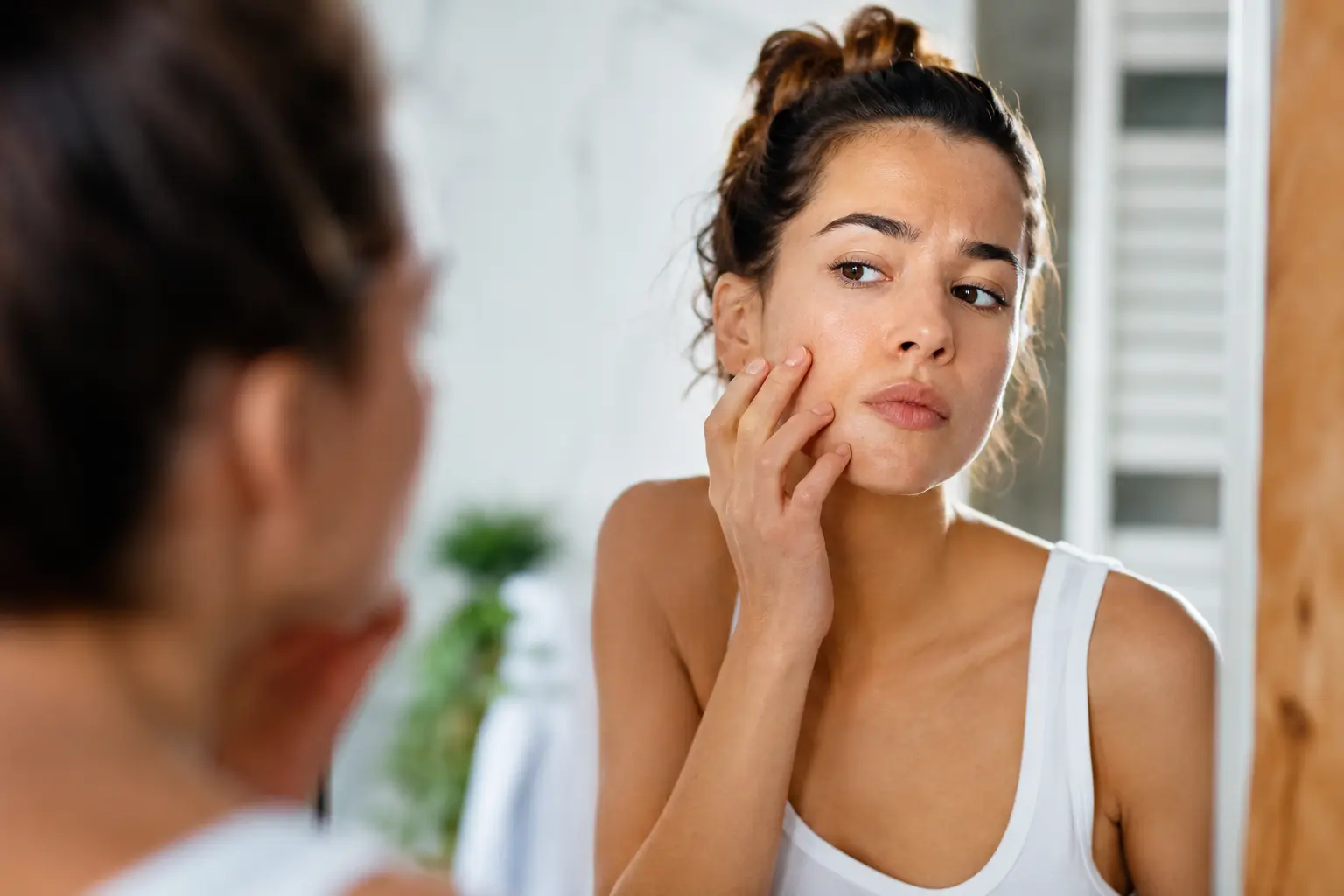
Your skin feels tight, looks dull, and no amount of water seems to fix it, because you’re probably making common skin hydration mistakes that are sabotaging your entire routine.
Choosing the right moisturizer
I spent years grabbing whatever moisturizer was on sale, thinking all hydration was created equal. Then I realized I was actually making things worse. The problem? Many drugstore moisturizers contain alcohol and silicones that feel nice for five minutes but then leave your skin even drier by evening. I started paying attention to ingredient lists and discovered products with hyaluronic acid and glycerin actually penetrate deeper, holding moisture where your skin needs it most. One friend switched from her usual cream to a lightweight gel with hyaluronic acid and said her skin transformed within two weeks. The key is understanding that your moisturizer should work with your skin’s natural barrier, not against it. If you have oily skin, don’t skip this step thinking you’ll make things worse. Your skin produces oil when it’s dehydrated and desperate for moisture. A good non-comedogenic moisturizer actually helps regulate sebum production.
- Avoid moisturizers with alcohol, as they can further dry out your skin.
- Look for products labeled ‘non-comedogenic’ to prevent clogged pores and breakouts.
- Don’t skip moisturizing even if you have oily skin – hydration is essential for all skin types.
Hydrating serums for added nourishment
Adding a serum to my routine felt like a luxury I didn’t need until I actually tried one. Serums are lightweight, almost weightless, and they work differently than moisturizers. While a cream sits on top of your skin, a serum penetrates deeper, delivering concentrated doses of hydrating ingredients directly where your cells are thirsty. I noticed the difference immediately. My skin looked plumper, felt softer, and my makeup applied so much more smoothly. Look for serums with vitamin C, niacinamide, or peptides. These ingredients don’t just hydrate, they also support your skin’s natural repair process. A colleague of mine layered a hydrating serum under her regular moisturizer and said it was the game-changer she’d been searching for. The best part? A little goes a long way with serums, so one bottle lasts months. Apply to damp skin for maximum absorption and watch your complexion shift from dull to radiant.
💬 Ready to feel better in 2 minutes?choose where to begin:
The importance of hydrating masks
Hydrating masks became my weekly ritual, not because I needed pampering, but because my skin actually demanded it. Sheet masks are convenient and give instant results, while overnight masks work while you sleep, which feels like cheating. I started using them once a week and noticed my skin looked fresher, felt softer, and seemed to glow from within. The magic happens when concentrated hydrating ingredients like aloe vera, hyaluronic acid, or ceramides sit on your skin for extended periods. Your skin absorbs what it needs and you wake up looking refreshed. Some women use masks twice weekly during winter or stressful periods when their skin gets extra dehydrated. The investment is small but the payoff is real. I keep sheet masks in my bag for travel days or whenever my skin looks tired. It’s like giving your face a drink of water when it’s been parched all day.
Hydrating mist for on-the-go refreshment
A hydrating mist sounds like a gimmick until you actually use one and realize how much it helps. I keep one in my desk drawer, my car, and my gym bag. Throughout the day, especially in air-conditioned offices or after workouts, my skin gets tight and uncomfortable. A few spritzes of a hydrating mist instantly refreshes everything. It’s not a substitute for your regular skincare routine, but it’s a lifesaver for maintaining hydration between applications. The best mists contain hydrating ingredients like rose water, glycerin, or hyaluronic acid. Spray it over your makeup without messing it up, or use it on bare skin before applying your moisturizer to boost absorption. I noticed my skin stayed more hydrated throughout the day once I started using a mist regularly. It’s a simple step that takes five seconds but makes a noticeable difference in how your skin feels and looks by evening.
Building a hydration routine that actually works means choosing the right moisturizer for your skin type, layering in a quality serum, using masks weekly, and keeping a hydrating mist handy for touch-ups. These steps work together to address skin hydration mistakes and give you the glowing, supple complexion you’ve been chasing. Start with one product and add from there, paying attention to how your skin responds.
Can I use a hydrating serum if I have oily skin?
Yes, hydrating serums are suitable for all skin types, including oily skin. Opt for lightweight serums that are non-comedogenic to avoid clogging pores and provide the hydration your skin needs. Oily skin often needs hydration just as much as dry skin, and using the right serum can actually help balance sebum production.
How often should I use a hydrating mask?
It is recommended to use a hydrating mask once or twice a week to replenish moisture levels and revive dull, dehydrated skin. Adjust the frequency based on your skin’s specific needs and concerns. During winter or stressful periods, you might increase to twice weekly, while summer might require just once weekly.
Others also read:
Disclaimer: This article is for informational purposes only and is not a substitute for professional medical advice. Always consult a healthcare professional for personal guidance.
This article presents an experience-based perspective and has been reviewed by the GlobalHealthBeacon editorial team in 2026. It provides structured, evidence-based information to support informed health decisions.
